Building a custom home in Southwest Florida is an exciting journey, offering the chance to create a space perfectly tailored to your vision. However, the path from dream to reality is paved with critical decisions. The Sunshine State presents unique opportunities and challenges, from embracing the latest design trends to engineering homes that withstand hurricane season. Understanding the specific things to consider when building a house here is crucial for a successful, on-budget project.
This guide will navigate you through 12 key considerations, focusing on the specialized knowledge needed for building in areas like Cape Coral, Fort Myers, and Fort Myers Beach. We'll explore new building technologies, crucial hurricane-impact features like reinforced windows and whole-home generators, and the latest news on building elevation requirements that affect projects across the region. With insights grounded in the local construction landscape, you can confidently manage every stage, from site selection to the final coat of paint. This comprehensive list is designed to ensure your new custom home is not only beautiful but also a durable, storm-resilient sanctuary built for the unique Florida environment.
1. Budget & Financing: Navigating the Financial Landscape of a Florida Build
A comprehensive budget is one of the most critical things to consider when building a house, acting as the financial blueprint for your entire project. In Southwest Florida, this process extends beyond standard construction estimates. Your budget must account for unique regional expenses, including county-specific impact fees, specialized flood and windstorm insurance, and the higher cost of hurricane-rated materials required by local building codes.
Key Budget Components for a Florida Build
Hard costs cover the physical construction, while soft costs include everything else from design to permits. A transparent builder will provide a line-item budget clearly distinguishing these expenses. For instance, your hard costs should detail the price difference between standard windows and the more expensive impact-resistant versions essential for hurricane protection.
Soft costs in areas like Fort Myers and Cape Coral often include a detailed survey to determine your Base Flood Elevation (BFE), which dictates how high your home must be built and significantly impacts foundation costs.
Pro Tip: Integrating a whole-home generator into your initial plans is far more cost-effective than retrofitting one later. This foresight can save thousands and ensures seamless power during storm season.
The Non-Negotiable Contingency Fund
While a 10% contingency fund is common elsewhere, building in Southwest Florida demands a more conservative approach. Local experts recommend a 15-20% contingency fund. This larger cushion is crucial for absorbing unexpected costs from pre-hurricane material price spikes, unforeseen site conditions discovered during excavation, or supply chain disruptions common in the region. This fund isn't just a "nice-to-have"; it's a vital tool for keeping your project on track without financial distress.
2. Budget Planning and Financial Strategy
Establishing a comprehensive budget is one of the most critical things to consider when building a house, acting as the financial blueprint for your entire project. In Southwest Florida, this process extends beyond standard construction estimates. Your budget must account for unique regional expenses, including county-specific impact fees, specialized flood and windstorm insurance, and the higher cost of hurricane-rated materials required by local building codes.
Key Budget Components for a Florida Build
Hard costs cover the physical construction, while soft costs include everything else from design to permits. A transparent builder will provide a line-item budget clearly distinguishing these expenses. For instance, your hard costs should detail the price difference between standard windows and the more expensive impact-resistant versions essential for hurricane protection.
Soft costs in areas like Fort Myers and Cape Coral often include a detailed survey to determine your Base Flood Elevation (BFE), which dictates how high your home must be built and significantly impacts foundation costs.
Pro Tip: Integrating a whole-home generator into your initial plans is far more cost-effective than retrofitting one later. This foresight can save thousands and ensures seamless power during storm season.
The Non-Negotiable Contingency Fund
While a 10% contingency fund is common elsewhere, building in Southwest Florida demands a more conservative approach. Local experts recommend a 15-20% contingency fund. This larger cushion is crucial for absorbing unexpected costs from pre-hurricane material price spikes, unforeseen site conditions discovered during excavation, or supply chain disruptions common in the region. This fund isn't just a "nice-to-have"; it's a vital tool for keeping your project on track without financial distress.
3. Architectural Design and Home Plans: Crafting Your Florida Vision
Selecting the right home plan is one of the most personal things to consider when building a house, as it directly shapes your daily life and long-term satisfaction. This goes beyond simple aesthetics; it’s about creating a functional, resilient space tailored to the Southwest Florida lifestyle. Your architectural design must harmonize your family's needs with regional demands, such as maximizing coastal breezes for natural ventilation and incorporating robust structural elements for hurricane resistance.
Key Design Considerations for Coastal Living
Effective home plans in areas like Fort Myers and Cape Coral seamlessly blend indoor and outdoor living, often featuring expansive lanais and large impact-glass sliding doors. An efficient floor plan prioritizes not just open-concept living areas but also dedicated storage for storm shutters and smart placement of utilities. The architectural style, whether a modern coastal design or a classic Mediterranean look, should incorporate materials and features suited for high humidity and intense sun exposure.
Pro Tip: When reviewing designs, consider how your life might change. Planning for future modifications, like a ground-floor suite for aging parents or a home office conversion, adds significant long-term value and adaptability to your custom home.
Marrying Function with Future Value
A well-designed home enhances both livability and resale potential. This means balancing personal preferences with timeless design principles that appeal to a broader market. Using 3D visualization tools during the design phase can help you experience the space before construction begins, ensuring the layout and flow meet your expectations. Partnering with a builder who understands the custom home building process is key to translating your vision into a home that is both beautiful and compliant with Florida's stringent building codes. Learn more about the architectural design and home plan process to see how your ideas become a reality.
4. Building Permits and Regulatory Compliance: Mastering Southwest Florida's Codes
Navigating the permitting process is one of the most complex yet crucial things to consider when building a house. This isn't just about paperwork; it's about legally validating your construction and ensuring your home meets the stringent safety standards of Southwest Florida. From local zoning ordinances in Cape Coral to FEMA regulations on Fort Myers Beach, each jurisdiction has a unique and often overlapping set of rules that dictate everything from your home’s elevation to its aesthetic.
Key Compliance Areas for a Florida Build
Permitting in this region goes far beyond a standard building permit. For instance, coastal properties require detailed plans showing compliance with FEMA’s flood zone requirements, which directly impacts your foundation design and flood insurance rates. Properties near protected wetlands or mangroves may trigger additional environmental permits from the Florida Department of Environmental Protection (FDEP), adding another layer of regulatory oversight to your project timeline.
Pro Tip: Before purchasing land, hire a permit expediter or your builder to conduct a feasibility study. This initial investment can uncover hidden land-use restrictions or environmental hurdles, saving you from a costly mistake.
The Non-Negotiable Permitting Timeline
Underestimating the time required for permit approval is a common and costly error. In Southwest Florida, it's wise to budget at least 3-6 months for the full approval process, especially for complex waterfront or custom home projects. This buffer accounts for potential revisions requested by building officials, public comment periods, and the general backlog at municipal offices. Proactive engagement, including attending pre-application meetings with officials, can help streamline this critical phase and keep your construction schedule from derailing before it even begins.
5. Contractor Selection and Management: Partnering with Southwest Florida's Best
Selecting the right builder is one of the most impactful things to consider when building a house, as this partnership dictates the quality, timeline, and stress level of your project. In Southwest Florida, a qualified general contractor must possess deep expertise in local hurricane codes, flood zone construction, and managing supply chains susceptible to storm season disruptions. Verifying their state licensing, insurance, and specific experience in coastal building is non-negotiable.
Vetting Your Potential Builder
A reputable builder in areas like Fort Myers or Cape Coral will have a transparent process and a portfolio of homes built to withstand local conditions. Look for builders with NAHB (National Association of Home Builders) certifications and positive Better Business Bureau ratings. Request at least three references from recent projects and ask detailed questions about their experience with communication, change orders, and post-hurricane responsiveness.
Pro Tip: Your contract should explicitly detail procedures for handling change orders. Establishing this process in writing upfront prevents costly misunderstandings and ensures any adjustments to the plan are documented and approved by both parties.
The Importance of Project Management
Effective contractor selection extends into ongoing project management. A professional builder will provide clear communication, regular site updates, and a transparent payment schedule tied to verifiable construction milestones. This structured oversight is key to navigating the complexities of a custom build. For more insight into what this process entails, you can learn more about home construction project management. A well-managed project ensures your vision is executed precisely, on time, and within budget.
6. Energy Efficiency & Sustainability: Building for Florida's Future
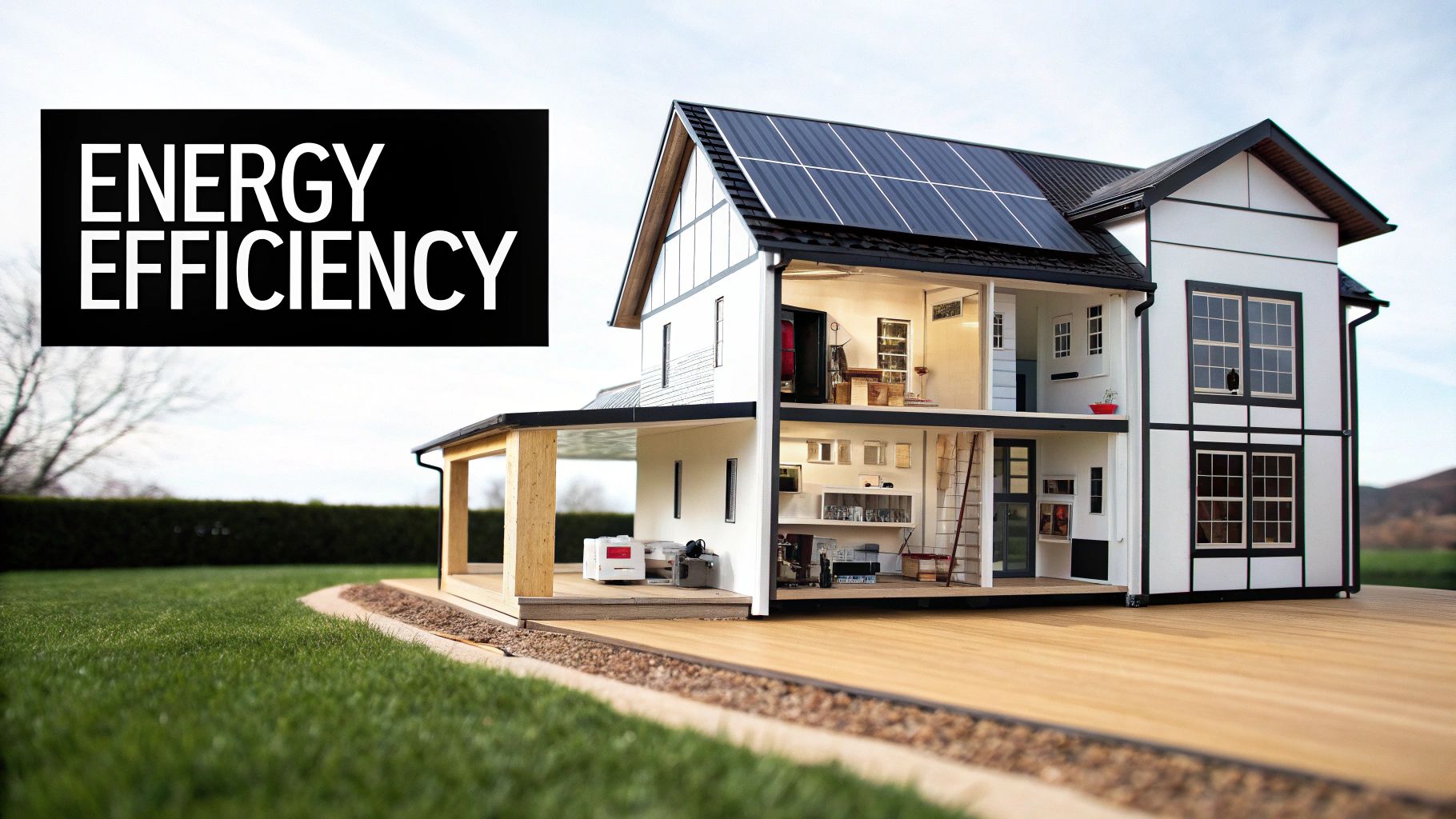
Integrating energy efficiency is one of the most impactful things to consider when building a house, particularly in Southwest Florida's demanding climate. This approach focuses on using high-performance systems, sustainable materials, and smart design to drastically reduce long-term operational costs, enhance indoor comfort, and minimize environmental impact. A well-designed, efficient home not only lowers utility bills but also increases resale value and resilience against power disruptions.
Key Efficiency Components for a Florida Build
Building green in Florida means combatting heat and humidity. This requires a systems-based approach, not just isolated upgrades. Your builder should prioritize a high-efficiency HVAC system with a SEER rating of 16 or higher, paired with a tightly sealed building envelope using continuous insulation. This combination prevents conditioned air from escaping and stops humid, hot air from infiltrating your home, which is a primary driver of high cooling costs and potential moisture issues.
Pro Tip: Ask your builder about integrating solar panels with a battery storage system like a Tesla Powerwall. This not only cuts your electricity bills but also provides a silent, automatic backup power source during hurricane-related outages, offering a powerful alternative to a traditional generator.
The Non-Negotiable Resale Value
Beyond monthly savings, certifications from programs like ENERGY STAR or the USGBC's LEED program add significant, verifiable value to your property. An ENERGY STAR certified new home is designed to be at least 10% more efficient than homes built to code, a feature that is highly attractive to future buyers in the Fort Myers and Cape Coral markets. Investing in efficiency isn't just an expense; it's a strategic decision that delivers comfort, savings, and a superior return on investment when it's time to sell.
7. Foundation and Structural Engineering: Building a Resilient Southwest Florida Home
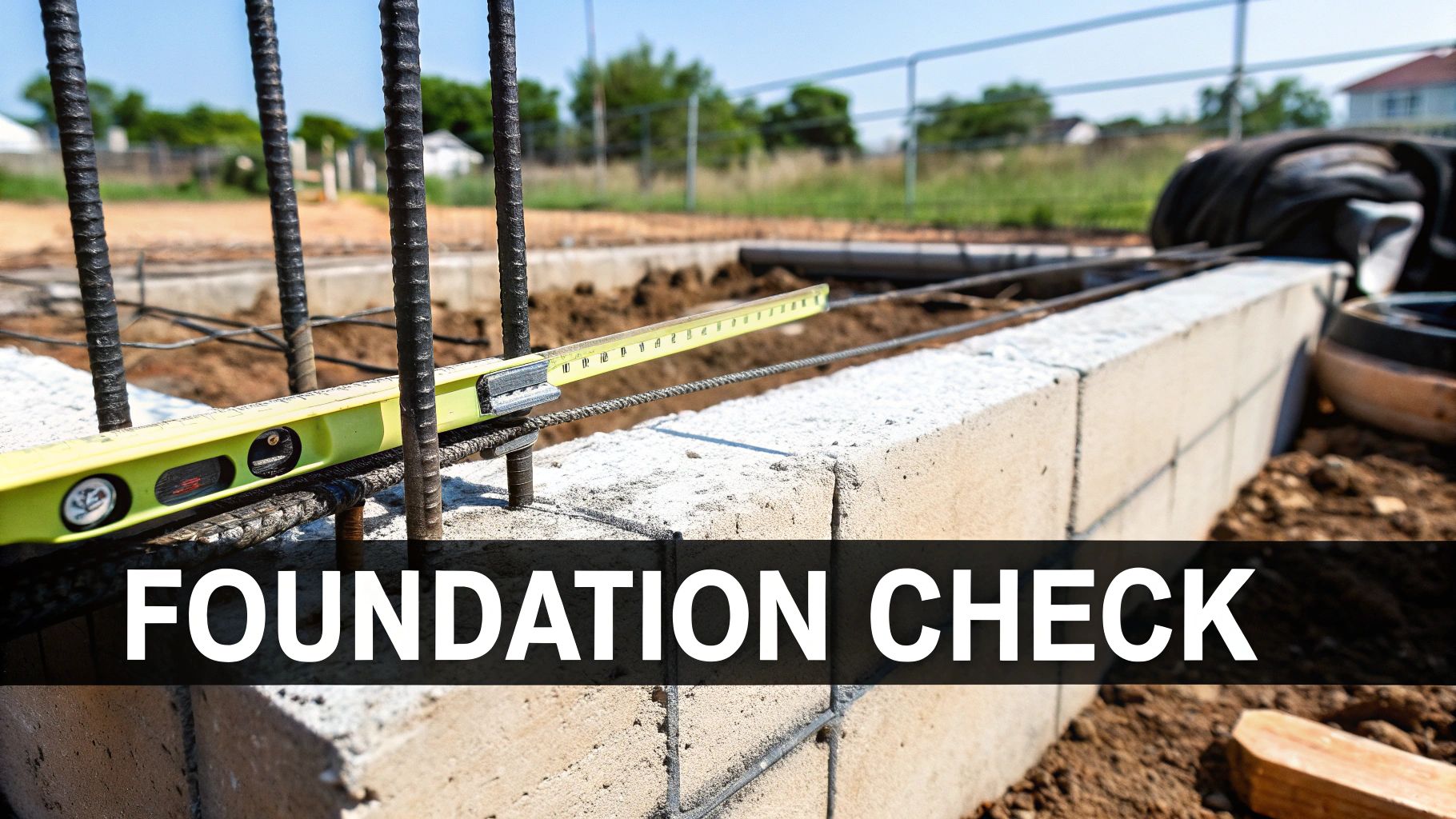
The foundation is arguably the most critical structural component of your home, and its design is a major factor among the things to consider when building a house in a coastal environment. In Southwest Florida, the foundation does more than just support the structure; it must resist hydrostatic pressure from storm surges, withstand high-velocity winds, and anchor the home to often sandy or unstable soil. The entire structural integrity of your home relies on this engineered base.
Key Foundation Components for a Florida Build
Your home's required Base Flood Elevation (BFE) will dictate the foundation type, which is often an elevated concrete block stem wall on a monolithic slab or a piling foundation. A structural engineer is non-negotiable in this process. They will analyze geotechnical soil reports to design a system that includes the correct concrete mix, steel reinforcement (rebar), and tie-down systems that connect the foundation, walls, and roof into a single, hurricane-resistant unit. This unified approach is vital for withstanding the uplift forces of a major storm. When selecting materials for your home's complete protective shell, especially the roof, it is also essential to consult a comprehensive guide to various roofing types to ensure it complements the structural engineering.
Pro Tip: Insist on a pre-pour inspection with your builder or a third-party inspector. This allows you to verify that all steel reinforcement, moisture barriers, and embedded hurricane straps are correctly placed before the concrete is poured.
The Non-Negotiable Engineering Oversight
Beyond the initial design, continuous engineering oversight ensures every component meets hurricane code specifications. This includes verifying the proper installation of concrete masonry unit (CMU) block walls, pouring a reinforced concrete tie beam at the top of the walls, and ensuring correct strapping from the foundation through to the roof trusses. This meticulous, engineered approach creates a continuous load path, which is the secret to a home that can survive Southwest Florida's most severe weather events.
8. Utility Infrastructure and Systems: Powering Your Florida Lifestyle
The unseen networks of plumbing, electrical, and HVAC are critical things to consider when building a house, forming the operational backbone of your home. In Southwest Florida, these systems must be robust enough to handle high humidity, intense heat, and the demands of modern technology. Planning these systems from the start prevents costly and invasive retrofits later on.
Key Utility Components for a Florida Build
Your home's electrical service is a primary consideration. A 200-amp service is now the standard minimum to support high-draw appliances, electric vehicle chargers, and integrated systems like a Tesla Powerwall. For HVAC, proper system sizing and ductwork design are crucial. When designing for the Florida sun, integrating high-rated, energy-efficient choices such as exploring the benefits of reliable, well-reviewed Energy Star HVAC systems can significantly enhance energy efficiency and reduce long-term operating costs.
Pro Tip: During the framing stage, run conduit for future technologies like fiber optic internet or additional smart home devices. This small upfront investment makes future upgrades simple and avoids cutting into finished drywall.
Future-Proofing Your Home's Systems
A forward-thinking approach to utilities ensures your home remains functional and comfortable for decades. This means planning beyond immediate needs by pre-wiring for smart home integration, installing structured cabling (Cat6) in key rooms, and ensuring plumbing is sloped correctly to prevent issues common in Florida's low-lying terrain. Coordinating with your builder and subcontractors early in the design phase is essential to place these systems optimally before the foundation is poured, ensuring a seamless and efficient build.
9. Weather Protection and Exterior Envelope: Your Home's First Line of Defense
Your home's exterior envelope, which includes the roof, walls, windows, and doors, is one of the most vital things to consider when building a house in Southwest Florida. This system is your primary defense against intense sun, wind-driven rain, and hurricane-force winds. A properly designed and installed envelope ensures durability, prevents costly water intrusion, and is fundamental to the home's long-term structural integrity and energy performance.
Key Envelope Components for a Florida Build
In coastal areas like Fort Myers and Cape Coral, every component must be chosen for its resilience. This means specifying impact-rated windows and doors that can withstand flying debris, and selecting a roofing system, like standing seam metal, known for its superior wind uplift resistance compared to standard shingles.
The wall assembly is equally important. Modern builds incorporate a continuous weather-resistant barrier behind the stucco or siding, along with meticulous flashing around all window and door openings. This creates a redundant system to keep water out, even during severe storms.
Pro Tip: Upgrading to a Class 4 impact-resistant roofing material may not only protect your home better but can also qualify you for significant discounts on your homeowner's insurance policy.
The Non-Negotiable Seal and Inspections
A high-performance exterior envelope relies on flawless execution. During construction, it is critical to ensure every joint, seam, and penetration is perfectly sealed with high-quality, exterior-rated caulk and sealants. This "air sealing" process prevents air and moisture leaks, which can lead to mold growth and compromise your HVAC system's efficiency. A blower door test, often required by code, can verify the airtightness of the envelope. Investing in third-party inspections of your envelope before the drywall goes up provides an essential quality check, catching potential vulnerabilities before they become major problems.
10. Interior Finishes & Quality Standards: Defining Your Southwest Florida Style
The interior finishes are where a house truly becomes a home, making their selection one of the most personal things to consider when building a house. These choices, from cabinetry and countertops to flooring and fixtures, define your home’s aesthetic, daily functionality, and long-term maintenance needs. In Southwest Florida, selecting durable, moisture-resistant materials is paramount to ensure your home withstands the coastal climate.
Key Finishing Considerations for a Coastal Build
The right finishes balance style with resilience. For instance, while beautiful, solid hardwood can be susceptible to humidity, making engineered hardwood or luxury vinyl plank (LVP) a more practical and popular choice for homes in Fort Myers or Cape Coral. Similarly, choosing quartz over more porous granite for countertops can offer enhanced stain resistance and durability in high-use kitchen and bath areas. These material decisions directly impact your home's longevity and upkeep.
Pro Tip: Request large samples of your chosen finishes, like flooring and paint. View them inside your home at different times of the day to see how the unique Florida sunlight affects their appearance before making a final commitment.
Balancing Trends with Timeless Appeal
While trendy designs can be appealing, it's wise to ground your aesthetic in timeless choices, especially for permanent fixtures like tile and cabinetry. You can introduce current trends through more easily updated elements like paint colors, light fixtures, or hardware. This strategy ensures your home remains stylish and maintains strong resale value without feeling dated in a few years. Investing in quality where it matters most, such as durable flooring and well-crafted cabinets, provides lasting value and enjoyment.
11. Timeline Planning and Construction Sequencing: Mastering Your Project's Clock
Understanding the construction timeline is another of the most vital things to consider when building a house, as it dictates everything from financing draws to your move-in date. In Southwest Florida, a project's schedule is heavily influenced by factors like the rainy season, hurricane season preparations, and the availability of specialized trades for tasks like seawall or boat lift installation. A poorly sequenced project can lead to costly delays and rework.
Key Timeline Components for a Florida Build
Effective sequencing, often managed using tools like Gantt charts or specialized software, ensures that one phase logically follows another without conflict. For example, your builder must schedule the critical foundation inspection before the concrete slab is poured, and have impact windows delivered and installed before interior drywall can begin, protecting it from Florida's high humidity and sudden rainstorms.
A typical custom home in the Cape Coral area can take 12-18 months from design to completion, but this can be extended by permitting backlogs or supply chain issues for high-demand materials like roofing tiles and pool equipment.
Pro Tip: Ask your builder how they manage their "critical path," which are the essential tasks that must be completed on time to prevent the entire project from falling behind. A professional will have a clear, documented strategy for this.
The Non-Negotiable Schedule Contingency
Just like a budget, your timeline needs a buffer. Building in Southwest Florida requires a 15-20% schedule contingency to absorb delays from summer thunderstorms, supply shortages during hurricane season, or unexpected labor constraints. This planned flexibility prevents stress and allows your builder to navigate unforeseen challenges without derailing the project. A detailed construction checklist is an invaluable tool for tracking these milestones. For a comprehensive overview, you can learn more about a custom home checklist on sinclaircustomhome.com.
12. Safety Planning and Risk Management: Protecting Your Southwest Florida Investment
Comprehensive site safety is one of the most overlooked yet crucial things to consider when building a house, protecting workers, your investment, and future occupants. In Southwest Florida, this goes beyond basic precautions, encompassing specialized training for tasks like installing elevated foundations or handling heavy hurricane-rated materials. A builder’s commitment to safety reflects their overall professionalism and attention to detail, directly impacting project timelines and costs.
Key Components of Job Site Safety
Effective risk management involves proactive measures, not just reactive responses. Your builder should enforce strict OSHA standards, especially regarding fall protection from elevated structures and safe operation of machinery on sandy or uneven coastal terrain. All subcontractors must carry adequate general liability and worker's compensation insurance to shield you from financial responsibility in case of an accident. This documentation should be verified before any work begins on your property.
Pro Tip: Ask potential builders for their EMR (Experience Modification Rate). This insurance industry metric indicates their safety history; a rate below 1.0 suggests a better-than-average safety record, which can translate to lower project insurance costs and fewer delays.
Mitigating Liability and Ensuring Compliance
Beyond insurance, a proactive safety culture is essential. Daily safety briefings, or "toolbox talks," should be standard practice to address the day's specific hazards, such as impending storms or extreme heat advisories common in Fort Myers. In a region prone to regulatory scrutiny after hurricanes, maintaining a safe, compliant job site prevents costly stop-work orders and fines from local authorities or OSHA. This structured approach to safety is a non-negotiable part of a well-managed construction project.
12-Point Home Building Considerations Comparison
| Topic | Implementation complexity | Resource requirements | Expected outcomes | Ideal use cases | Key advantages |
|---|---|---|---|---|---|
| Site Selection and Land Assessment | Moderate — field surveys & analysis | Soil/geotech tests, surveyor, time | Informed site suitability & cost forecast | Buying land, pre-design decisions | Reduces construction risks and long-term costs |
| Budget Planning and Financial Strategy | Moderate — iterative financial work | Cost estimators, lender inputs, contingency | Realistic budget and cashflow control | All projects, especially custom builds | Prevents overruns; improves contractor negotiation |
| Architectural Design and Home Plans | High — design iterations & approvals | Architect, code review, visualization tools | Functional, code-compliant floor plans | Custom homes, lifestyle-driven design | Optimizes space, increases resale value |
| Building Permits and Regulatory Compliance | Variable — bureaucratic and technical | Permit expediters, code consultants, time | Legal approval and inspection clearances | Any regulated jurisdiction or sensitive sites | Ensures safety, legal protection, insurability |
| Contractor Selection and Management | Moderate — vetting and oversight | Multiple bids, references, contract admin | Quality workmanship and schedule adherence | Full construction phase management | Reduces rework; clarifies expectations |
| Energy Efficiency and Sustainability | High — specialized systems and design | Efficient materials, certified contractors, upfront capital | Lower operating costs; environmental benefits | Long-term cost savings and green builds | Reduces utilities; qualifies for incentives |
| Foundation and Structural Engineering | High — technical engineering work | Geotech, structural engineer, heavy labor | Stable, code-compliant structural base | Challenging soils, seismic or frost zones | Prevents settling; ensures structural safety |
| Utility Infrastructure and Systems | Moderate–High — coordinated installations | Electrician, plumber, HVAC, cabling, permits | Reliable utilities and future capacity | Modern homes, smart-home ready builds | Prevents costly retrofits; improves functionality |
| Weather Protection and Exterior Envelope | Moderate — material selection & quality install | Premium materials, skilled installers | Durable exterior; moisture and air control | Climate-exposed or long-life builds | Protects structure; improves energy efficiency |
| Interior Finishes and Quality Standards | Low–Moderate — selection and installation | Finishes suppliers, trades, design input | Desired aesthetics and durability | Final fit-out, resale-focused projects | Enhances comfort and market appeal |
| Timeline Planning and Construction Sequencing | Moderate — project management focus | Scheduling tools, coordinator, buffers | Predictable schedule and phased delivery | Complex projects with many trades | Minimizes delays and trade conflicts |
| Safety Planning and Risk Management | Moderate — procedural and compliance work | Safety officers, PPE, insurance, training | Fewer accidents; legal and financial protection | All construction sites, high-risk works | Reduces liability; maintains workforce safety |
Embarking on Your Custom Home Journey with Confidence
Building a custom home in Southwest Florida is far more than a construction project; it's the creation of a personal sanctuary designed to harmonize with a unique and demanding coastal environment. The journey, as we've explored, is a tapestry woven from twelve critical threads. Each consideration, from Site Selection that accounts for new flood maps and elevation requirements to the nuances of Weather Protection with hurricane-impact windows and robust roofing, plays an indispensable role in the final outcome.
These aren't just items on a checklist. They represent a strategic approach to creating a home that is not only beautiful but resilient, efficient, and deeply personal. Mastering these concepts means transforming potential challenges into opportunities for excellence.
From Blueprint to Reality: Key Takeaways
The most important takeaway is that proactive, informed decision-making is your greatest asset. The choices you make regarding your budget, builder, and materials will echo for decades. Remember these core principles:
- Resilience is Non-Negotiable: In areas like Fort Myers and Cape Coral, building for durability isn't a luxury. Integrating features like elevated foundations, impact-rated openings, and whole-home generators is a fundamental aspect of responsible homeownership.
- Expertise is Your Best Investment: The right team, from your architect to your general contractor, will navigate the complexities of local building codes, permitting, and environmental regulations. Their experience is the bedrock upon which your home is built.
- Future-Proofing Matters: Forward-thinking design, especially in Energy Efficiency and Utility Infrastructure, not only reduces long-term costs but also enhances comfort and increases your home's value. Think solar-ready roofs, high-SEER HVAC systems, and smart home integration.
Your Actionable Next Steps
With this comprehensive overview of the things to consider when building a house, your path forward is clearer. Begin by refining your vision and priorities. Are you focused on indoor-outdoor living, energy independence, or creating a multi-generational family hub? Use your answers to start conversations with architects and financial planners.
Ultimately, building a custom home is an act of creation and commitment. It's a significant investment of time, resources, and emotion. By embracing the process with diligence and partnering with trusted professionals who understand the specific demands of Southwest Florida, you can move forward with confidence. You are not just building a structure; you are crafting a legacy and a lifestyle, a resilient haven perfectly tailored to you, ready to withstand the elements and welcome you home for years to come.
Ready to turn your vision into a meticulously crafted reality? The team at Sinclair Custom Homes Inc specializes in navigating every consideration discussed, delivering exceptional quality and integrity to clients across Southwest Florida. Explore our process and portfolio to see how we can help you build your dream home with confidence.