Choosing the right builder in Southwest Florida is a pivotal decision. The custom home industry here is defined by a unique blend of luxury, resilience, and cutting-edge design, all shaped by our coastal environment. This guide will provide crucial insights into new builder trends, essential design features, and news affecting construction, helping you find a builder who can masterfully execute your vision.
Getting the Lay of the Land in the Southwest Florida Custom Home Market
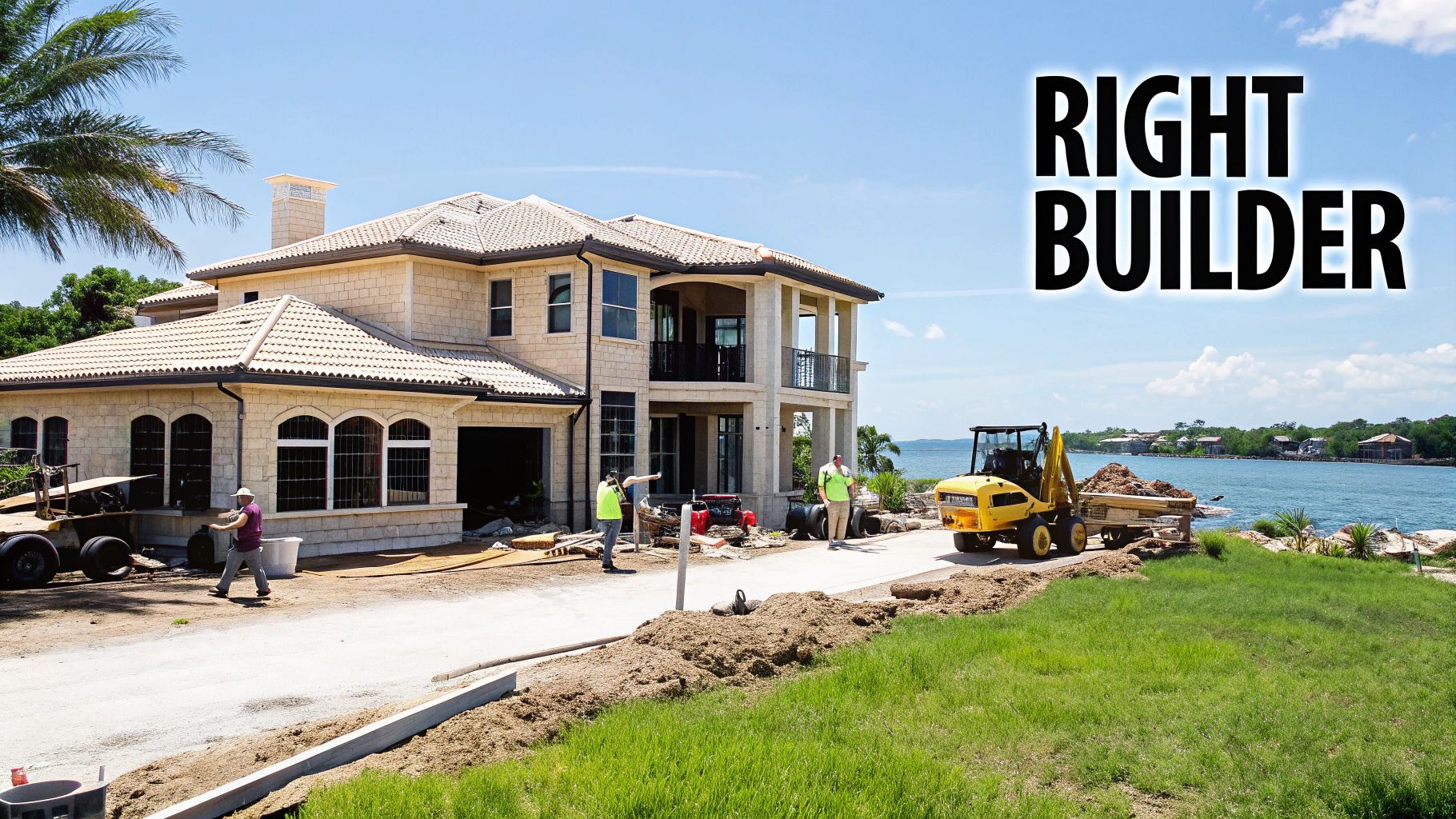
The custom home scene in Southwest Florida is dynamic and highly specialized, shaped by a recent influx of residents and significant post-hurricane rebuilding efforts. This has amplified demand for high-quality, storm-resilient homes, influencing everything from material costs to builder availability. Understanding these market dynamics is the first step toward a successful project.
The landscape is diverse, featuring large production builders alongside specialized custom home builders who focus on unique, client-driven projects. In key areas like Lee and Collier counties, builders often specialize in specific niches, from waterfront estates to sprawling inland properties. Your goal is to find a partner whose expertise aligns with the specific demands of building a resilient, modern custom home in this region.
Reading the Market's Signals
Building permit data offers a clear narrative of the construction industry's health and focus. Recent figures show Southwest Florida leading the state in new residential permits. For instance, in April 2025, our region accounted for 1,907 new permits, representing approximately 29% of Florida's total.
While the volume is high, the average project value of around $310,965 suggests a robust mix of construction, not solely ultra-luxury builds. This data confirms that the industry is incredibly active, which can affect project timelines and underscores the need for thorough vetting when selecting a builder. To navigate this competitive environment, a structured evaluation is essential.
Key Builder Evaluation Criteria
This table provides a framework for comparing potential custom home builders based on critical qualities.
| Evaluation Area | What to Look For | Why It Matters |
|---|---|---|
| Local Experience | How many years have they been building in SWFL? Do they specialize in your specific area (e.g., Cape Coral, Naples)? | An experienced local builder understands soil conditions, permitting quirks, and hurricane-resilient construction specific to our region. |
| Portfolio & Style | Does their past work match the aesthetic you're after? Look for consistency in quality and design. | You want a builder whose style aligns with your vision, not one you have to convince to build something outside their wheelhouse. |
| Client Testimonials | Are reviews recent and detailed? Do they mention communication, budget adherence, and post-construction support? | Past performance is the best predictor of future results. Honest feedback reveals how they handle the inevitable challenges of a build. |
| Transparency | Do they offer a clear, itemized budget? Are they open about their process and who their subcontractors are? | Hidden costs and vague allowances can wreck your budget. Transparency builds trust from day one. |
| Communication | Who will be your main point of contact? How often can you expect updates? | A custom build is a long-term relationship. Clear, consistent communication is non-negotiable for a smooth process. |
Using a structured approach like this helps you move beyond a gut feeling and make a decision based on concrete evidence.
The New Standard: Resilience and Modern Design
The paradigm for new construction in Southwest Florida has shifted. Homebuyers now demand a sophisticated fusion of luxury aesthetics with robust safety and preparedness features. Several key trends have emerged as the new benchmark in the custom home industry:
- Storm-Hardened Homes: Exceeding basic building codes is now the expectation. This includes high-impact windows, reinforced roofing systems, and strategic site planning to elevate the home, mitigating flood risk from storm surge.
- Reliable Backup Power: In the wake of recent storms, whole-house generators have transitioned from a luxury add-on to an essential component for maintaining safety and continuity during power outages.
- Seamless Indoor-Outdoor Living: A signature of the Florida lifestyle, this trend involves creating expansive lanais with fully equipped summer kitchens and pocketing glass doors that merge the great room and pool deck into a single, cohesive living space.
When you understand what's driving the market, you can have much more productive conversations with potential builders. A builder's deep knowledge of modern, resilient design is a huge tell-tale sign of their expertise in Southwest Florida. If you're zeroing in on a specific area, it pays to see what a dedicated custom home builder in Cape Coral can bring to the table. Ultimately, you want a partner who doesn't just build a house, but understands the lifestyle that comes with it.
How to Vet and Select Your Home Builder
Finding the right home builder in Southwest Florida is about much more than a quick Google search. It’s a crucial partnership. You're looking for someone who not only understands your vision but has the local expertise, track record, and craftsmanship to bring it to life flawlessly.
The first thing to understand is the fundamental difference between the two main types of builders you'll come across. On one side, you have the high-volume production builders. These companies are masters of efficiency, often constructing hundreds of homes a year from a pre-set collection of floor plans. On the other, you have specialized custom home builders who focus on creating one-of-a-kind homes, working hand-in-hand with clients to design every single detail from the ground up.
If a truly unique, bespoke home is what you're after, your search should squarely focus on the custom builders.
Distinguishing Quality Through Portfolios and Permits
A builder’s portfolio is your window into their soul. Don't just skim the beautiful photos—dig in and analyze them. Do the finishes look consistently high-end and well-executed across different projects? Is their work varied, showing they can adapt to different architectural styles and client tastes, or does it all feel a bit formulaic? A strong custom builder’s portfolio will showcase both exceptional craftsmanship and a genuine ability to translate diverse visions into reality.
Beyond their slick website, public records offer a powerful, unbiased peek behind the curtain. A quick check of permit data in Lee and Collier counties can tell you a lot:
- Current Workload: Is a builder pulling dozens of permits simultaneously? That might signal they won't have the bandwidth for the personal, hands-on attention your custom project deserves.
- Geographic Focus: You can see exactly where they're building. This confirms their expertise in your specific area, whether it's a waterfront lot in Cape Coral or an inland estate in Fort Myers.
- Project Scale: Permit valuations give you a good idea of the budget and scope they typically handle, helping you see if they're a good match for your project.
Doing this homework helps you move past the marketing fluff and see a builder's real-world operations, allowing you to build a shortlist of truly qualified candidates.
From Shortlist to Selection
With a few names in hand, it’s time to get serious. It's easy to be impressed by the big national builders who dominate the headlines. For example, data from mid-2025 showed Lennar Homes leading the region in total permits, pulling 279 permits for construction valued at a staggering $70.8 million. While impressive, that high volume is the classic signature of a production builder, not a custom one.
For a custom project, a builder’s personal involvement is everything. You want someone who is on-site making sure things are done right, not just sitting in an office. This is the level of dedication that ensures a vision is executed perfectly, preventing costly mistakes and delivering the quality you’re paying for.
Your final choice should only come after in-depth interviews. Don't be shy—ask pointed questions about their process, their communication style, and how they handle the inevitable challenges that pop up during construction. You're not just hiring a contractor; you're looking for a partner.
The goal is to find a builder who not only creates beautiful homes but also fosters a transparent and collaborative relationship from day one. For more practical advice on this crucial stage, you can review our 3 tips to follow for building a successful custom home. At the end of the day, a successful project is always built on a solid foundation of trust and clear communication.
Key Design Trends For Modern Florida Living
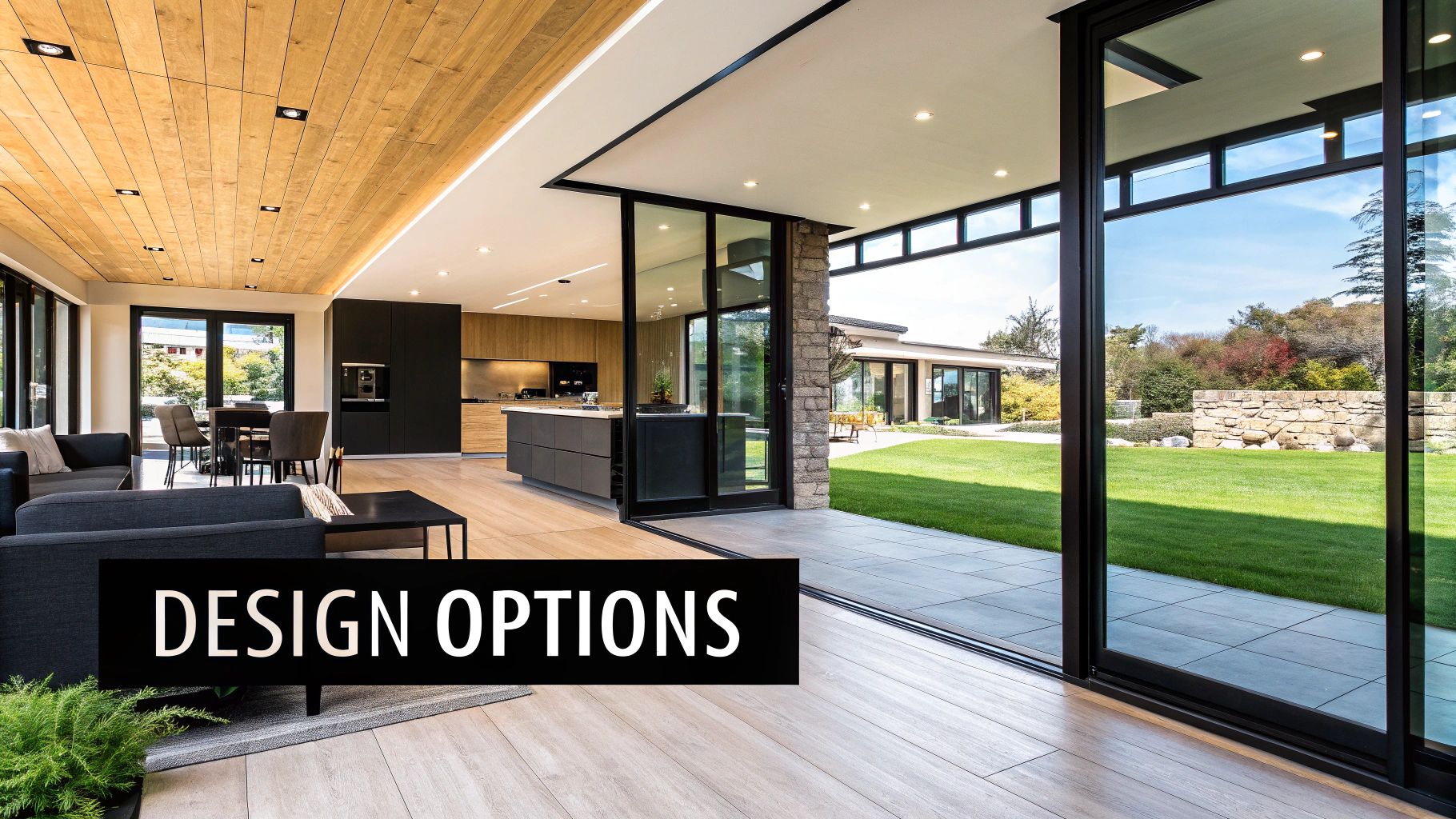
When you work with a custom home builder in Southwest Florida, you have the opportunity to integrate the latest design features that define modern coastal living. The most significant trend is the emphasis on a seamless flow between indoor and outdoor spaces, creating an expansive, open-air environment perfect for the region's climate.
This trend transcends a simple patio, extending to open-concept great rooms that merge with sprawling lanais via pocketing or zero-corner sliding glass doors. These outdoor living areas are now sophisticated extensions of the home, often featuring full summer kitchens, comfortable lounge areas with fireplaces, and unobstructed views. The ultimate goal is to erase the boundary between inside and out.
As you design your modern Florida home, thinking through every detail—including the custom home windows—is critical to both the look and feel. They don't just need to be hurricane-impact rated; their size and placement are crucial for flooding the home with natural light and framing those beautiful views.
Inside The Modern Florida Home
The interiors of new custom homes are evolving just as quickly, with new trends reflecting changes in lifestyle. The demand for dedicated, thoughtfully designed home offices has surged. These are no longer repurposed spare rooms but are now purpose-built spaces featuring ample natural light, custom built-in storage, and sound insulation for focus and privacy.
The kitchen has also been completely reimagined as the social hub of the home. Today’s gourmet kitchens are designed for entertainment, commonly featuring:
- Massive central islands with seating for casual dining and social interaction.
- High-end, integrated appliances for professional performance with a sleek, built-in aesthetic.
- Concealed walk-in pantries for superior storage and organization, keeping clutter out of sight.
This focus on both sophisticated design and high function ensures the kitchen is the natural gathering place for family and friends.
Planning For The Future Today
Flexibility has become a cornerstone of contemporary home design in Southwest Florida. We see many clients planning for the long haul, which has led to a huge spike in demand for multi-generational suites.
These flexible living quarters, often located on the first floor, provide a private retreat for aging parents or adult children returning home. They typically include a separate bedroom, bathroom, and sometimes even a small kitchenette and living area.
The most forward-thinking custom builders aren't just chasing the latest trends; they're looking ahead to what homeowners will need years from now. They build with sustainable, climate-appropriate materials that look beautiful but also offer long-term durability against our intense sun, salt, and humidity. This ensures your home isn't just stylish today, but remains a smart, low-maintenance investment for decades to come.
Building a Hurricane-Resilient Home
In Southwest Florida, building a home that can survive a hurricane isn't just a good idea—it's an absolute necessity. State building codes set the minimum bar for safety, but a truly resilient custom home is engineered to a much higher standard. When you sit down with your builder, the conversation needs to quickly move past "code-compliant" and into creating a fortress built for genuine peace of mind.
The foundation of a resilient home is its structural shell. While impact-rated windows and doors are visible, the core strength is concealed. Key discussions with your builder should cover reinforced concrete masonry, robust strap-and-anchor systems that tie the roof to the foundation, and the implementation of hip roof designs, which are aerodynamically superior in high winds. These elements work in concert to create a cohesive structure capable of withstanding extreme storm pressures.
The Importance of Elevation and Drainage
Water, particularly from storm surge, is often a hurricane's most destructive force. The devastating flooding from recent storms has underscored this reality and prompted ongoing updates to FEMA flood maps. A critical first step in design is ensuring your home’s finished floor elevation is constructed well above the required Base Flood Elevation (BFE). Elevating the home by even a few extra feet can be the difference between staying dry and suffering catastrophic flood damage.
Elevation is only part of the solution. A sophisticated drainage plan is vital to protect the foundation from torrential rain. Proper site grading is the starting point, but a truly storm-ready home incorporates systems to prevent water from pooling around the foundation, which can compromise its structural integrity over time. Advanced options beyond simple swales are available, and you can explore comprehensive backyard drainage solutions to actively manage water during extreme weather events.
Simply put, what happens on your property before the first wall goes up is just as important as the construction itself. An expert Southwest Florida home builder will conduct a thorough site analysis to address elevation and water management proactively, not as an afterthought.
Going Beyond Code: Hurricane Resilience Features
Florida's building codes provide a strong foundation for safety, but they represent the minimum requirement. For true resilience and peace of mind, homeowners should consider upgrades that go above and beyond what's mandated. Here’s a look at how standard requirements compare to recommended enhancements.
Hurricane Resilience Feature Comparison
| Feature | Standard Requirement (Code) | Recommended Upgrade (Above Code) | Benefit |
|---|---|---|---|
| Windows & Doors | Impact-rated for your specific wind zone. | Higher design pressure (DP) ratings; laminated glass. | Withstands stronger winds and provides superior protection from debris. |
| Roof Structure | Gable or hip roof with code-required connections. | Hip roof design with secondary water barrier. | Better aerodynamics in high winds; extra layer of water protection. |
| Foundation | Monolithic slab or stem wall at Base Flood Elevation (BFE). | Elevated foundation (pilings or raised stem wall) 3+ feet above BFE. | Drastically reduces risk of flooding from storm surge and heavy rain. |
| Exterior Walls | Concrete block construction (CBS) with standard reinforcement. | Increased rebar schedule and poured concrete cells. | Creates a stronger, more rigid structure to resist wind pressure. |
| Roof-to-Wall Connection | Hurricane straps installed per code. | Upgraded, stronger straps and clips; more frequent spacing. | Ensures the roof stays firmly attached to the rest of the house. |
Investing in these above-code features transforms your home from a structure that can merely withstand a storm into one that can truly protect your family and your investment through the worst of it.
Powering Through The Storm
Prolonged power outages are a harsh reality in Southwest Florida following a major hurricane. This is precisely why a whole-house generator has become an essential feature in the custom home industry. These permanent, automatic systems activate the moment the grid fails, seamlessly powering your entire home. This means critical systems like air conditioning, refrigeration, and security remain operational. The ability to maintain normalcy transforms a powerless house into a safe and comfortable refuge during the storm's aftermath, making a generator a critical investment for resilience.
Understanding The Custom Home Building Process
So, you’ve found the perfect plot of land in Southwest Florida and you’re ready to build. What happens next? The journey from an empty lot to the day you get your keys is a detailed, structured process. Knowing what to expect is the key to managing your own expectations, making smart decisions on time, and keeping the whole project moving forward with your builder.
This isn't just about pouring concrete and putting up walls. It’s a true collaboration that starts long before a single shovel ever touches the dirt.
The first few steps are, without a doubt, the most important. It all kicks off with a deep dive into your vision, which happens during the site evaluation and architectural design phase. Your builder will get to know every inch of your land—from soil conditions to the elevation needed based on the latest FEMA maps. Then, the real magic begins: translating your dream into a set of buildable blueprints. This takes incredible attention to detail to make sure aesthetics, function, and your budget all line up perfectly.
This infographic breaks down the three main stages of building a custom home, from that very first meeting all the way to the final handover.
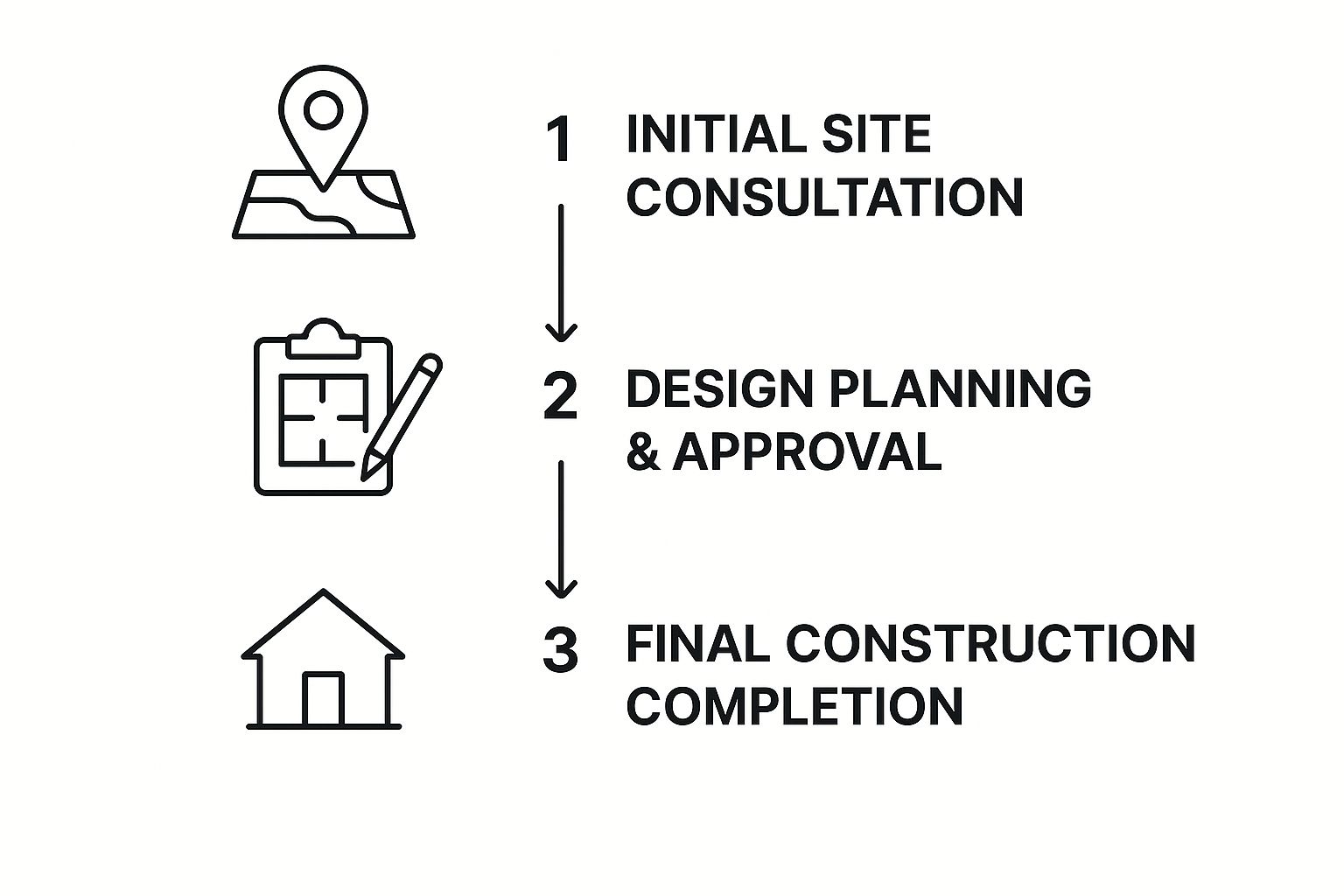
As you can see, almost two-thirds of the entire effort happens before construction even starts. That really drives home how critical all that upfront planning and design work is.
Navigating Key Construction Milestones
Once the plans are locked in and the permits are in hand, the real building begins. The construction scene here is as busy as ever. In June 2025 alone, Southwest Florida saw 1,453 single-family building permits issued—that's a 22% jump from the month before. With Lee County making up 945 of those, it’s clear the market is humming along.
The construction phase follows a clear path, with specific milestones that will need your attention and approval along the way.
- Pre-Construction Meeting: Think of this as the final huddle. You’ll go over every plan, selection, and the project schedule one last time before breaking ground.
- Foundation and Framing: This is when your home’s skeleton goes up. It’s the first time you’ll get a true sense of the home's size and flow.
- Mechanical Rough-Ins: Before the drywall, all the "guts" of the house are installed—plumbing, electrical wiring, and HVAC systems.
- Interior and Exterior Finishes: Now for the fun part! This is when all your design choices, from cabinets and flooring to siding and paint, come to life.
- Final Walk-Through: Just before closing, you and your project manager will walk through the finished home to create a "punch list" of any last-minute adjustments.
If there’s one piece of advice I can give, it’s this: Constant, clear communication with your project manager is the single most important factor for a successful build. Never, ever hesitate to ask a question or ask for clarification. A great builder wants you to be involved and sees you as a partner in bringing your vision to life.
Keeping that dialogue open means you can tackle small questions before they snowball into bigger issues. For a much more detailed look at what to expect at every turn, be sure to check out our complete guide to the custom home building process. It breaks everything down so you can feel confident and prepared from start to finish.
Common Questions About Building in Southwest Florida
As you get closer to breaking ground, it's only natural for specific questions to start bubbling up. Building a custom home isn't a one-size-fits-all process, especially here. Working with Southwest Florida home builders means navigating our unique climate, local regulations, and the waterfront lifestyle we all love.
Getting straight answers to these common questions will give you the clarity and confidence to move forward. We've compiled some of the most frequent concerns we hear from clients, offering insights straight from our experience building in places like Cape Coral, Fort Myers, and the surrounding areas.
How Long Does A Custom Build Take Here?
This is always one of the first questions, and the honest answer is: it varies. The timeline for a custom home depends heavily on the design's complexity, the current backlog for permits in your specific county, and, of course, the weather.
Once your designs are locked in and the permits are in hand, the actual construction phase typically takes anywhere from 12 to 24 months. Things like intricate architectural details, special-order materials, or supply chain hiccups can extend that window. A good, transparent builder will set a realistic schedule with you from the very beginning and keep you in the loop about any potential delays.
What Are Key Local Building Regulations?
Southwest Florida, particularly on our coveted waterfront lots, has some very strict environmental and zoning rules. Don’t think of them as red tape; they're in place to protect our incredible natural habitats, manage water flow during storms, and keep our coastline beautiful for generations.
A few of the big ones you'll encounter are:
- Setbacks and Height Limits: Each county—whether it's Lee, Collier, or Charlotte—has its own rules about how close you can build to your property lines and how tall your home can be.
- Protected Species: It's not uncommon to find protected wildlife like gopher tortoises or burrowing owls on a vacant lot. Their presence can significantly impact your site plan and requires following special protocols for relocation.
- Elevation Requirements: This is a big one. Following the latest FEMA flood maps is non-negotiable. Your builder must be an expert in designing to the correct finished floor elevation to protect your home from flooding and satisfy your insurance carrier.
An experienced local builder knows how to navigate these challenges. For them, it's just a standard part of the pre-construction homework.
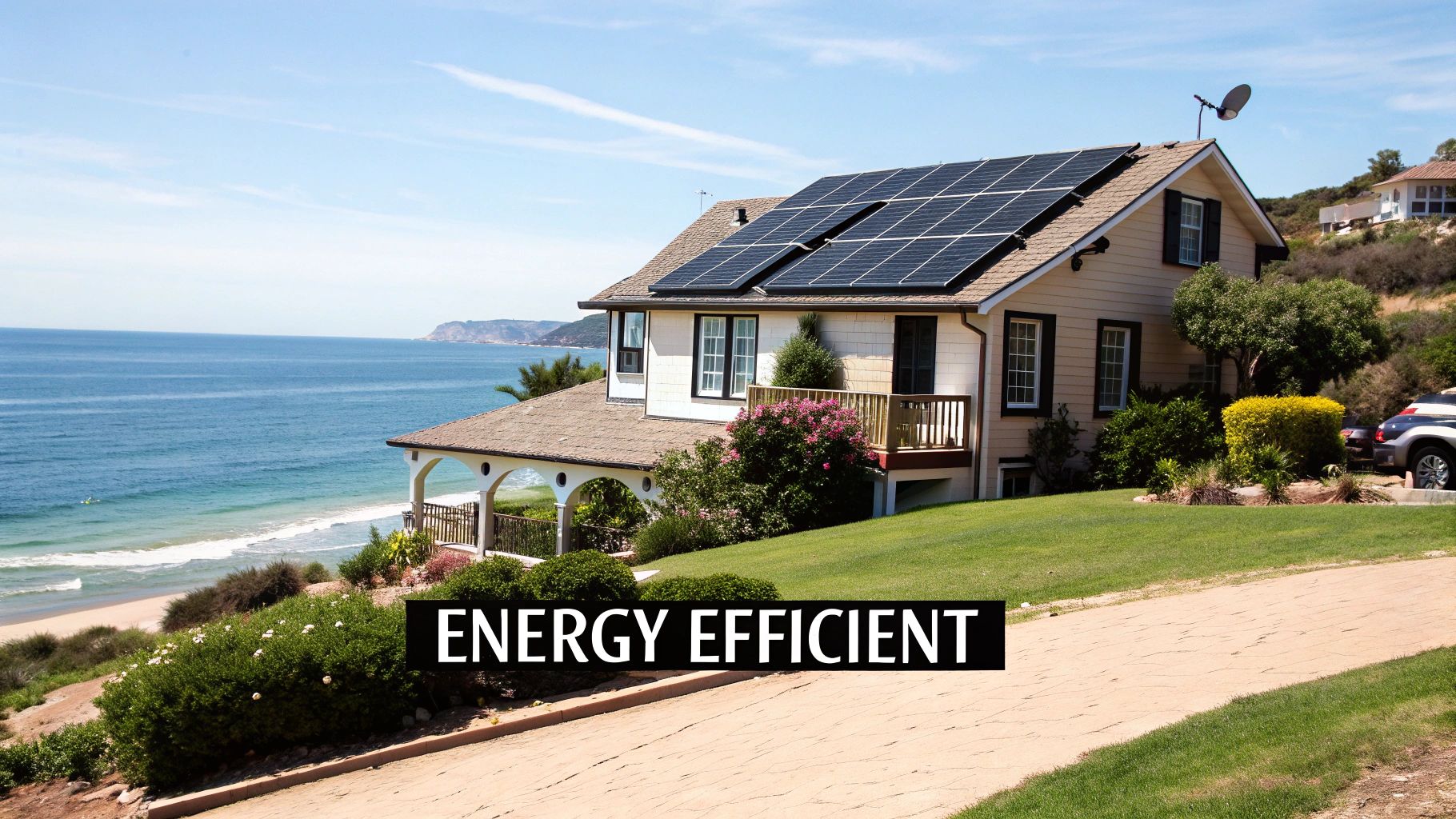
As you're planning, think about the long-term financial picture. It's worth exploring all the potential benefits, including any available solar tax credit opportunities if you're considering adding solar panels to your roof. This is a great conversation to have with your builder early in the design phase.
Is A Whole-House Generator Necessary?
In our corner of Florida, a whole-house generator is quickly shifting from a "luxury upgrade" to an "essential piece of infrastructure." After a hurricane rolls through, power outages can drag on for days, sometimes even weeks.
A permanent, automatic generator kicks on the moment the power goes out, keeping your A/C, refrigerators, and security systems running without a hitch. It provides genuine peace of mind, ensuring your family stays safe and comfortable. Frankly, it transforms your home into a true refuge during a storm's aftermath. Investing in a properly sized generator is one of the smartest moves you can make for resilience here.
Are you ready to build a home that's as strong as it is beautiful? At Sinclair Custom Homes Inc, we combine decades of on-site experience with an unwavering commitment to quality and integrity. We don’t just build houses; we build over-engineered, handcrafted homes designed for the Southwest Florida lifestyle. Visit us to learn how Matthew Sinclair’s hands-on approach can bring your vision to life at https://sinclaircustomhome.com.