Thinking about building a custom home in Cape Coral or Fort Myers is exciting, but let’s be honest—the budget part can feel like a huge weight on your shoulders. But good construction budget management isn’t about pinching pennies or giving up on your vision. It’s about being smart, making decisions with your eyes wide open, and making sure the home you dream of matches up with your financial reality.
A clear financial roadmap is what turns a mountain of numbers into a clear path toward your new front door.
Building Your Dream Home Without Financial Surprises
Building a custom home in Southwest Florida is a different beast altogether. This isn't just about tracking receipts. It’s about really understanding the unique demands of our coastal environment and building a home that's not just beautiful, but also a resilient, solid investment for the long haul. This guide is here to pull back the curtain and show you how staying hands-on with your budget protects that investment right from day one.
A successful build starts with knowing exactly where the money is going. In our world, everything boils down to hard costs vs. soft costs. A massive 70% of a project budget usually goes straight into hard costs—think lumber, concrete, and the skilled labor putting it all together. The other 30% covers soft costs like architectural designs and permits. Seeing it laid out like that makes it obvious why planning everything down to the last detail before breaking ground is non-negotiable. You can get a deeper dive into this cost structure from various industry guides.
Key Factors for Florida Home Budgets
When you start mapping out your budget, there are a few local curveballs that a generic spreadsheet just won't account for. These are the details that are absolutely critical for building a home that can handle Florida’s weather and sail through local inspections.
Here’s what you really need to focus on:
- Site Elevation and Preparation: In our area, especially in Cape Coral and Fort Myers, many lots need to be built up to a specific elevation to handle potential storm surge. This is a major—and necessary—upfront cost.
- Hurricane Impact Features: Things like impact-rated windows and doors aren't just a nice-to-have; they're essential for your family's safety and for insurance. This directly impacts your material costs.
- Storm Readiness: Thinking about adding a whole-home generator? It’s a smart move for hurricane season, providing real peace of mind, but it has to be part of the budget from the very beginning.
A well-managed budget is the blueprint for a stress-free building experience. It allows you to focus on the exciting aspects—like selecting finishes and watching your vision come to life—with the confidence that the financial side is under control.
Creating a Florida-Specific Custom Home Budget
Trying to build a custom home in Southwest Florida with a generic budget template is a bit like bringing a snow shovel to a Cape Coral beach—it just doesn't make sense. The unique environment and strict building codes in areas like ours demand a financial plan built from the ground up, just like your home. Real construction budget management here means going way beyond the usual line items and planning for local realities from day one.
It’s about more than just lumber and labor. We’re talking about significant investments in preparing your lot to meet specific elevation requirements to fend off storm surge. It also means hurricane-impact windows and doors aren't just an "upgrade"; they're a foundational part of building a safe, resilient home in this part of the world.
Accounting for Local Cost Factors
Your budget has to be grounded in the realities of building in a coastal, hurricane-prone area. A few key categories will always need special attention and a significant chunk of your funds, shaping the entire project from the very start.
- Land Acquisition and Prep: This isn't just the price tag on the lot. It includes the often-surprising costs of clearing, bringing in fill dirt, and grading the land to meet strict local elevation codes.
- Architectural and Engineering Fees: Designing a home that can stand up to 175 mph winds takes specialized engineering. This is a non-negotiable, critical upfront investment in your family's safety.
- Resilience Features: This is a big one. It covers everything from reinforced roofing systems to whole-home generators that keep the lights on and the AC running after a major storm passes through.
Getting a handle on how your budget will be divided between the big-picture categories is key. Generally, you can think of it as a split between "hard costs" (the physical stuff like concrete and framing) and "soft costs" (the planning, permits, and administrative side).
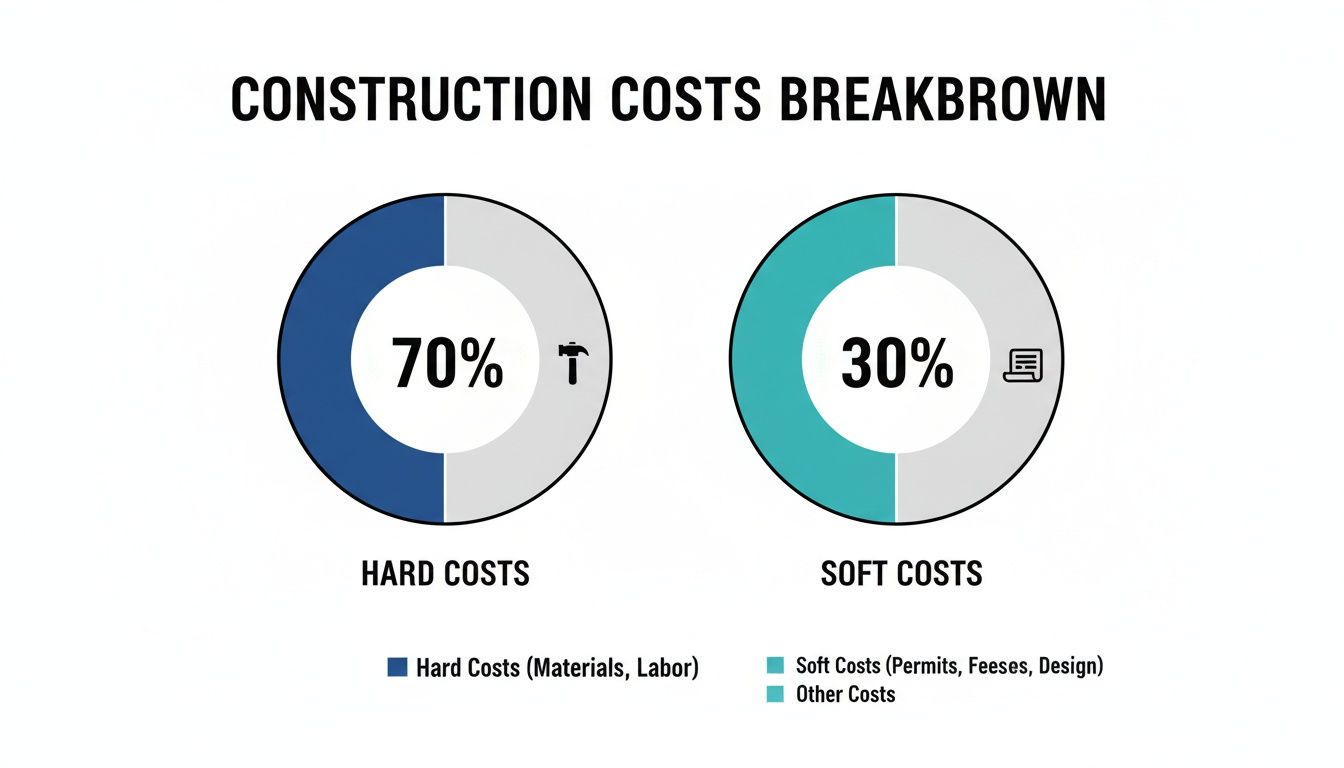
This breakdown makes it clear why careful planning is so important—the lion's share of your investment goes directly into the materials and labor that physically create your home.
To give you a clearer picture, here’s a rough breakdown of how a custom home budget typically gets allocated in our area.
Typical Custom Home Budget Allocation in Southwest Florida
| Cost Category | Typical Budget Percentage | Key Sinclair Custom Homes Considerations |
|---|---|---|
| Site Work & Foundation | 10-15% | Includes lot prep, fill, seawall (if applicable), and a robust concrete slab/stem wall foundation. |
| Framing & Structure | 15-20% | Concrete block construction, hurricane strapping, and truss engineering are standard, not optional. |
| Exterior Finishes | 10-15% | Stucco, impact-rated windows/doors, and roofing materials designed for high-wind zones. |
| Interior Finishes | 20-25% | This is where your style shines—flooring, custom cabinetry, countertops, and paint. |
| Major Systems (HVAC, Electrical, Plumbing) | 10-15% | High-efficiency HVAC is a must, plus wiring for smart home features and potential generator hookups. |
| Allowances (Appliances, Fixtures, Landscaping) | 5-10% | These are budget placeholders for items you'll select personally during the build. |
| Soft Costs (Permits, Fees, Design) | 10-15% | Includes architectural design, engineering, surveys, and municipal permit fees. |
These percentages can shift based on your specific lot, design complexity, and finish choices, but it provides a solid starting point for understanding where the money goes.
Navigating Market Trends and Material Choices
Beyond our local weather, global market dynamics definitely play a role in your budget. We're constantly tracking supply chain issues and labor availability that impact construction costs. While the latest US Census construction spending reports show some month-to-month changes, the market is still finding its footing. For us at Sinclair, this means we have to be smart and proactive in how we source skilled craftspeople for things like our signature real wood cabinets and trim, ensuring market swings never compromise the quality of your home.
When you're putting your budget together, the goal is to prioritize long-term value. Allocating funds for handcrafted wood cabinets or a powerful generator isn’t just an expense; it’s an investment in how your home functions every day and holds up for decades to come.
A well-thought-out budget gives us a clear roadmap for these important conversations, helping you decide where to invest for the biggest impact. It turns a simple list of costs into a strategic plan for building a home that is as beautiful as it is durable. For an even deeper dive, check out our guide on the cost to build a house in Florida.
Protecting Your Budget with a Contingency Fund
Anyone who’s built a home in Southwest Florida knows you have to plan for the unexpected. With our dynamic weather and unique coastal environment, a solid financial safety net isn’t just a good idea—it’s a necessity. This is where a contingency fund becomes the most valuable tool in your construction budget management playbook, ensuring your project stays on track, no matter what surprises come your way.
Let’s be clear: this isn’t a "slush fund" for last-minute splurges on fancier countertops. It's a calculated, planned portion of your budget set aside specifically for unforeseen costs. Think of it as a form of self-insurance for your investment. Having that fund gives you the flexibility to handle surprises without derailing the timeline or having to compromise on the quality of your home.
Calculating the Right Amount
So, how much is enough? The industry standard for a contingency fund typically falls between 5% and 10% of your total construction costs.
The right percentage for you really depends on the specifics of your project. For a new build on a straightforward, well-documented lot, 5% might be perfectly sufficient. But if you're tackling a major renovation or building on a challenging waterfront lot in Cape Coral, aiming closer to 10% is a much wiser strategy. This fund is the key to absorbing those unexpected costs gracefully and making smart decisions when you're under pressure.
When to Use Your Contingency Fund
Knowing when to dip into your contingency is just as important as having one in the first place. This money is reserved for legitimate, unforeseen issues that pop up or strategic opportunities that add real, significant value to your home.
It’s not for design upgrades you decide on halfway through the build. Those are best handled through a formal process. If you find yourself wanting to make changes after construction has started, it's worth reviewing our guide on construction change order management to understand how that impacts your budget and timeline.
Here are a few real-world scenarios we see in Southwest Florida where a contingency fund is absolutely essential:
- Unforeseen Site Conditions: We start to excavate and discover unstable soil that requires extra foundation work. Or, we hit unexpected debris from a previous structure that has to be hauled away. It happens.
- Material Price Spikes: A sudden hurricane in the Gulf can disrupt supply chains practically overnight, causing a temporary but sharp increase in the price of lumber, roofing materials, or even concrete.
- Storm-Hardening Upgrades: An especially active hurricane season forecast might prompt a smart decision to upgrade to a more powerful whole-home generator than you initially planned, ensuring your family’s comfort and safety.
A well-planned contingency fund transforms a potential crisis into a manageable problem. It's the difference between a stressful, budget-breaking event and a calm, strategic decision that keeps your dream home build moving forward smoothly. By planning for these possibilities from the start, you protect your investment and make sure financial surprises don't become roadblocks.
Making Smart Design Choices to Control Costs
Without a doubt, your design and material selections will have the biggest impact on your final construction budget. This stage of construction budget management isn't about cutting corners or making sacrifices. It's about being strategic. It’s about making smart, informed decisions that deliver the luxury, quality, and long-term value you expect in a Southwest Florida home. This is where your vision for emerging new design features meets a real-world financial plan.
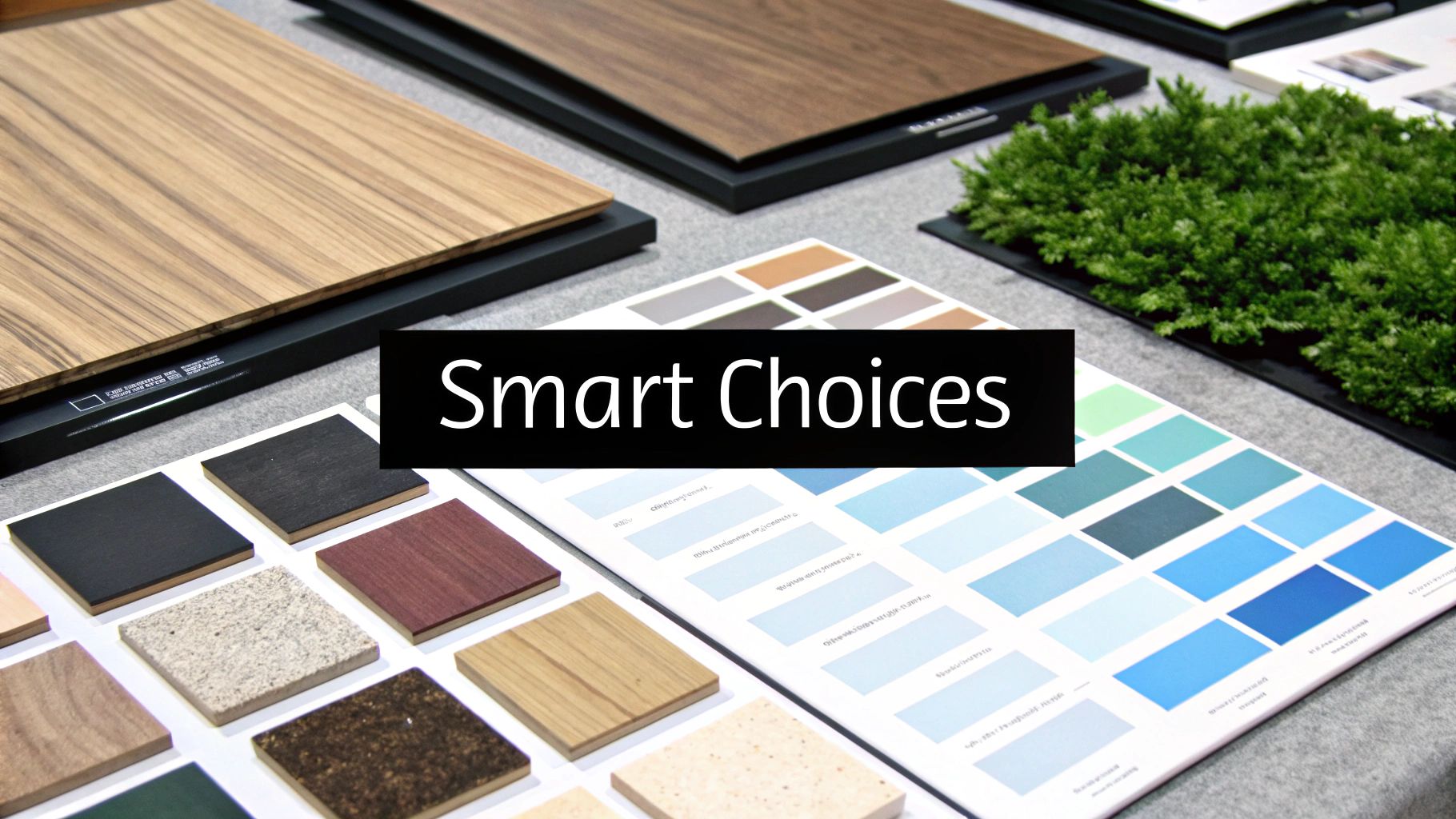
We always start by sitting down with our clients to clearly define their priorities. What are the absolute 'must-haves' versus the 'nice-to-haves'? Maybe that chef-grade appliance suite is non-negotiable, but you're more flexible on the tile in the guest bathroom. Pinpointing these key areas early on lets us allocate your budget where it matters most to you.
Investing in Durability for Long-Term Savings
Here at Sinclair Custom Homes, we build homes you can enjoy, not homes you constantly have to work on. That philosophy means investing upfront in superior materials built to withstand our demanding Florida climate.
- Real Wood Trim and Moldings: Unlike MDF or composites that can swell and warp in our humidity, real wood trim holds its shape, saving you from future repair headaches.
- Professional-Grade Paint: We only use high-quality paints formulated for intense sun and humidity. This simple choice resists fading and mildew, adding years to the life of your home’s exterior finish.
- Robust Fixtures: Choosing well-made plumbing and electrical fixtures from trusted brands is crucial. It drastically minimizes the risk of leaks, failures, and costly replacements down the road.
This focus on durability is one of the most powerful cost-control strategies there is. Yes, it might mean a slightly higher initial investment, but it pays for itself many times over in lower maintenance and repair bills.
Smart design isn't just about looks; it's about building an asset. Choosing high-quality, durable materials from the very beginning is one of the most effective ways to protect your investment and ensure your home's value and beauty for decades to come.
Navigating Material Costs and Market Trends
Material costs are constantly shifting. Right now, global construction cost inflation is forecasted to average 3.9% this year and tick up to 4% next year. While things are stabilizing, it still requires a sharp eye on the budget, especially with ongoing supply chain issues. For custom builders in competitive markets like Cape Coral and Fort Myers, this means we have to be proactive to manage costs without ever compromising our standards.
This is where we come in to help you navigate the variables. We can suggest alternative materials that give you a similar high-end look and feel but at a better price point. One of the best ways to keep your project on track is to actively look for ways to reduce construction costs and save your budget without impacting the final quality—a process we guide our clients through every day.
Ultimately, making smart design choices is a collaboration that perfectly balances your dream aesthetic with a sound financial strategy.
How We Track Progress and Payments Together
Properly managing a construction budget isn't something you can set and forget. It's a living, breathing part of the project that requires constant attention and, most importantly, open communication between you and your builder. To make sure you have complete financial transparency, we’ve moved away from confusing billing cycles. Instead, we tie your payments directly to tangible, verifiable progress.
This simple shift ensures you always know exactly where your investment is going.
The heart of our financial process is the draw schedule. Think of it as a pre-approved payment plan where we only request funds—or "draw" them—after we hit specific, agreed-upon construction milestones. This means you aren't just paying a bill that shows up every month; you're funding the next concrete phase of your dream home, whether it’s pouring the foundation or installing the last hurricane-impact window.
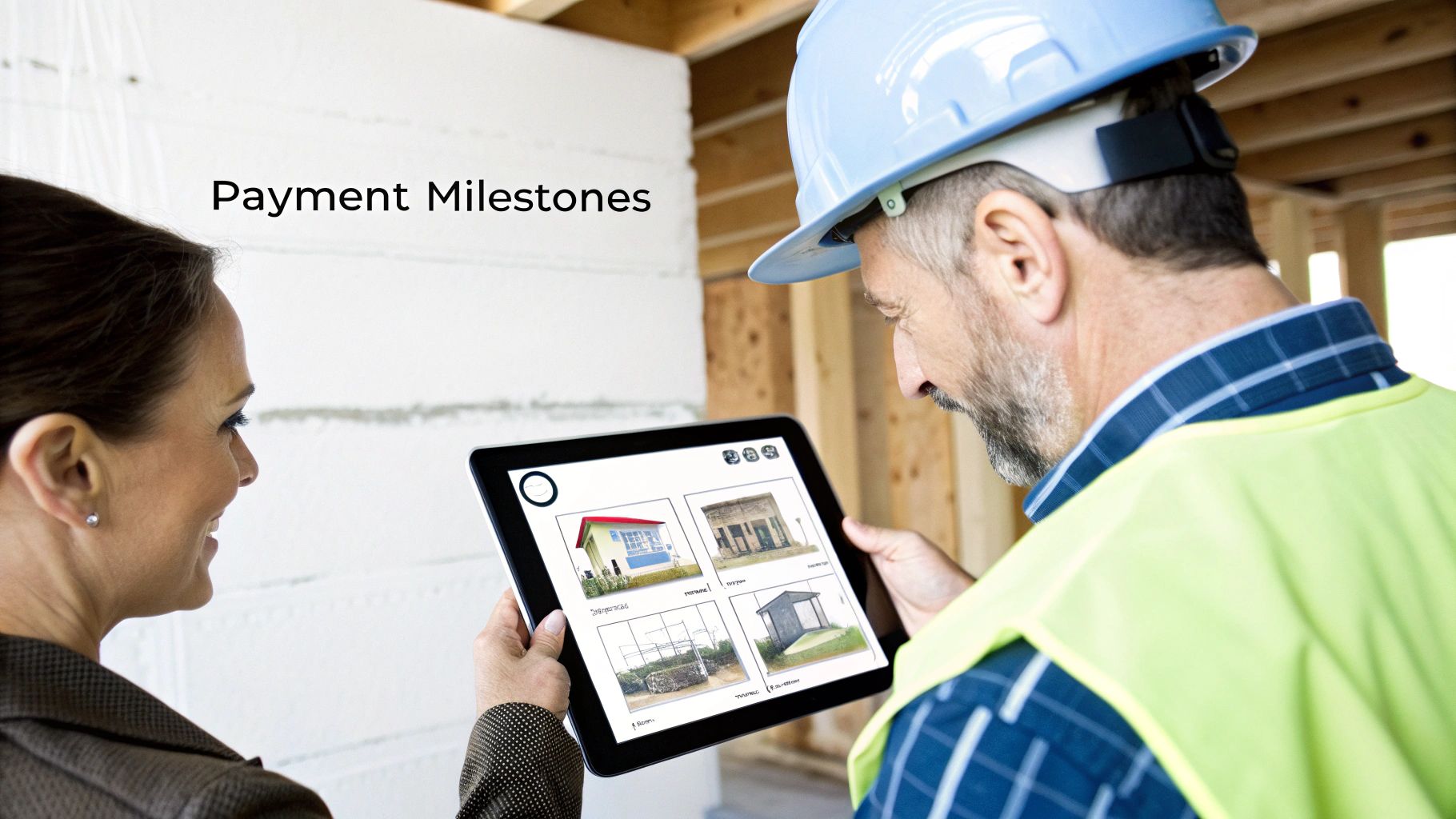
This method cuts out the guesswork and builds a foundation of trust from day one. You only pay for work that is finished and meets our high standards.
Milestone-Based Financial Transparency
We pair this milestone-based payment structure with modern tools and consistent communication. This isn't about sending you a complicated spreadsheet once a month and hoping for the best. It’s about giving you real-time updates that are actually easy to understand.
- Regular On-Site Meetings: We’ll walk the site together to review completed work against the draw schedule, answering your questions and showing you the progress firsthand.
- Digital Updates: Through shared platforms, you can see real-time photos and reports, letting you track progress even when you can't be on-site.
- Clear Documentation: Every single draw request comes with straightforward documentation that outlines what work has been completed. No surprises.
This hands-on, communicative approach is the cornerstone of our partnership. It ensures you always have a clear, up-to-the-minute understanding of where your budget stands, empowering you to address potential overruns long before they become problems.
Using Technology for Better Oversight
In today's custom home market, keeping track of the constant flow of invoices, purchase orders, and payments requires more than just a paper ledger. To really get a handle on spending and the whole procurement process, tools like purchase to pay software can be a game-changer for budget management. These systems give you a central hub to track every dollar from the initial order to the final payment, offering an incredible level of detail and control.
This commitment to using the right tools is part of our broader strategy for successful builds, which you can read more about in our guide to home construction project management.
By combining a milestone-driven draw schedule with modern financial tracking, we create a transparent and predictable process. It transforms budget management from a source of stress into a tool for collaboration, building your confidence and ensuring the journey to your custom Southwest Florida home is as smooth as possible.
Common Questions About Home Construction Budgets
When you decide to build a custom home in Southwest Florida, the financial side of things can feel like the biggest unknown. It's completely normal to have questions. Over the years, we've found that most of our clients in places like Cape Coral and Fort Myers ask about the same key topics. Getting straight answers is the first step toward making decisions with confidence.
Here’s a breakdown of the most common questions we hear, answered from our experience on the ground.
What Are the Biggest Hidden Costs?
The number on your primary construction contract is the main event, but a few other costs can sneak up on you if you’re not prepared. Smart construction budget management means accounting for these items right from the beginning.
- Impact Fees: Cities and counties charge these fees to help cover the cost of new infrastructure (roads, schools, parks) needed to support new homes. They can be a surprisingly large upfront cost.
- Utility Connections: Bringing power, water, and sewer lines from the street to your new home isn't always a simple task. On larger lots or in less developed areas, this can cost more than homeowners expect.
- Landscaping and Irrigation: A beautiful home needs a beautiful yard to match. A full landscape package with sod, mature plants, and a sprinkler system is often a more significant line item than people first realize.
- Property and Insurance Increases: Your new custom home will be assessed at a higher value, leading to higher property taxes. Likewise, homeowners insurance will increase, especially for waterfront properties where flood insurance is mandatory.
How Do Change Orders Affect My Budget?
A change order is any formal modification to the original building plan. It almost always adds to the final cost and can often push back the completion date. It might seem small—adding a window here, moving a wall there—but even minor tweaks require new materials, adjusted labor schedules, and sometimes revised engineering plans.
Our process is built on total transparency. We discuss the full impact of any potential change—both on your budget and your timeline—before anything is approved. You'll get a clear, detailed breakdown and must give written sign-off before we move forward. This keeps you in the driver's seat and prevents any unwelcome surprises on the final invoice.
Can I Save Money by Sourcing Materials Myself?
It’s a tempting thought, but trying to source your own materials is one of those shortcuts that often ends up costing you more time, money, and stress. As an established builder, we have long-standing relationships with our suppliers. This gives us access to trade pricing, reliable delivery schedules, and product warranties that simply aren't available to the general public.
When homeowners try to manage their own procurement, it can open a can of worms. You might run into compatibility issues with other materials, project delays from a late shipment, or a frustrating round of finger-pointing if a product turns out to be defective. The best way to protect your investment and keep the project on track is to let your builder manage the supply chain.
How Does an Over-Engineered Home Affect the Budget?
We talk a lot about "over-engineering" our homes. This simply means we strategically invest more upfront in structural elements that go far beyond the minimum building code requirements. Think of a stronger foundation, reinforced concrete block walls, and top-of-the-line hurricane-impact windows and doors. Yes, this adds to the initial construction cost.
But the long-term payoff is huge. You'll often see lower homeowners insurance premiums and a dramatic reduction in maintenance and repair costs over the years. Not to mention the improved energy efficiency. Most importantly, it provides priceless peace of mind during Florida's intense storm seasons. It’s a powerful investment in your home's safety, durability, and lasting value.
Ready to build a home where quality, transparency, and durability are the cornerstones of the entire process? At Sinclair Custom Homes Inc, we manage every detail of your budget with the same care we put into building your home. Start the conversation about your dream home today.