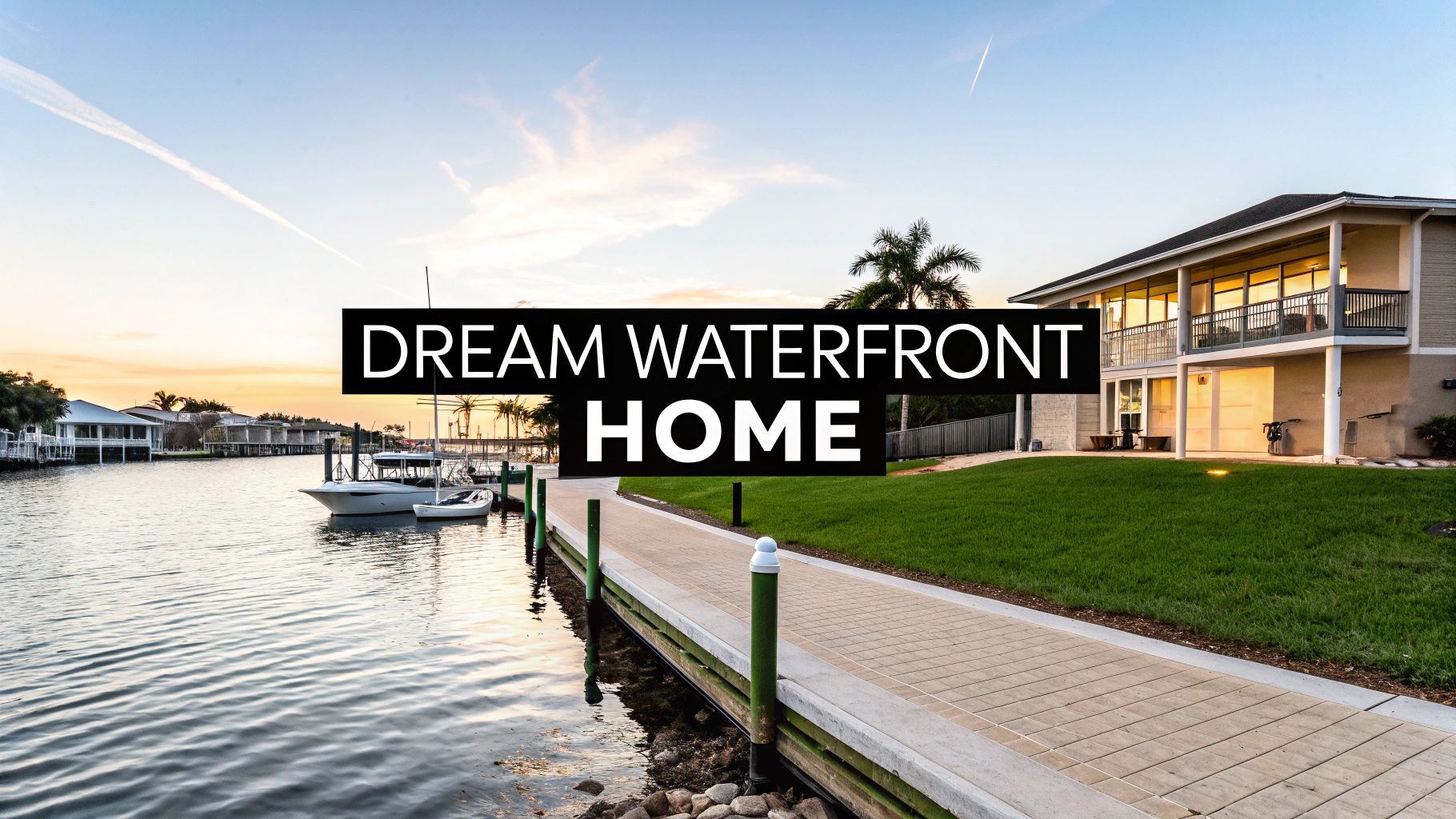
Building a waterfront property in Cape Coral isn't just an investment in real estate; it's a commitment to a unique way of life. In the custom home industry, this means understanding a landscape constantly shaped by new builder trends, innovative design, and an unwavering demand for life on the water.
Here, new construction is all about building smarter. The focus is on hurricane-impact features, modern efficiencies, and resilient designs that are built to last, reflecting the latest advancements in Southwest Florida's building news.
Navigating the Cape Coral Waterfront Building Market
Building a custom home in Southwest Florida is about much more than just picturesque views; it's an investment that demands foresight and expertise in the latest construction trends. Cape Coral, in particular, has become a hotspot for new custom builds, drawing in buyers who want a true sanctuary engineered for the future, not just a standard house.
That means navigating a market influenced by everything from new building codes and elevation requirements to shifts in the insurance landscape.
The local custom home industry has adapted significantly, especially after major storms. Leading builders aren't just meeting minimum code requirements; they are exceeding them. This shift is driven directly by homeowners who demand peace of mind, sparking new trends in resilient design, advanced materials, and features like whole-home generators that are becoming standard in new construction.
Post-Hurricane Builder Trends and Innovations
The entire conversation around building a waterfront property in Cape Coral has changed. Resilience is no longer a buzzword; it's the foundation of modern custom home design. The builders who are leading the pack are integrating features that used to be expensive upgrades right into their standard plans, responding to news and regulations affecting Florida builders.
A few key design and construction trends have emerged:
- Elevated Living: Designing homes with a higher finished floor elevation is your first and best defense against storm surge. For any new waterfront build, exceeding the minimum Base Flood Elevation (BFE) is a non-negotiable part of modern design.
- Reinforced Structures: It's now standard to see impact-rated windows and doors, reinforced concrete block construction, and advanced roof tie-down systems. It's all about creating a stronger, safer building envelope that can withstand hurricane-force winds.
- Energy Independence in Storms: Having a whole-home generator is quickly becoming a must-have feature. In the aftermath of a storm, it ensures you can run essentials like air conditioning and refrigeration, even when the power grid is down for days.
These advancements show just how proactive the custom home industry has become. The goal isn't just to build beautiful homes, but to build durable ones that can stand up to whatever Florida weather throws at them, reflecting the latest in storm-safe technology.
Market Dynamics and Cost Factors
The Cape Coral real estate market is known for its resilience, though it's often influenced by environmental and economic pressures that affect the building industry. For instance, the market saw a temporary adjustment right after Hurricane Ian. In early 2023, average sale prices dipped to $399,500, a 3.7% drop from the year before, as a flood of listings and higher interest rates cooled demand a bit.
But the market here has a knack for bouncing back. We've seen sales activity pick up and prices stabilize since then. Projections now point toward a steady recovery, fueled by Cape Coral’s relative affordability and a consistent population growth of about 2-3% every year.
This rebound really underscores the lasting appeal of the Cape Coral lifestyle. Even with market shifts, the demand for high-quality, new custom construction on the water stays strong. This pushes builders to find smart ways to manage costs without ever cutting corners on quality or hurricane-impact features.
Understanding these dynamics is critical. Land and material costs will always fluctuate, but partnering with a builder who has deep local roots and stays current on building news can make a world of difference.
Getting a handle on the financial side and the paperwork is also a huge part of the process. Taking a deep dive into the https://www.sinclaircustomhome.com/cape-coral-building-permits/ process will give you a realistic idea of the preliminary steps and timelines involved. And even when you're building brand new, it pays to know the local design trends and investment potential; a good Kitchen Remodel Cape Coral guide can offer some great insights. Building smart in this market means staying informed every step of the way.
Choosing The Perfect Waterfront Lot For Your Vision
The true foundation of your dream waterfront property in Cape Coral isn't the concrete slab—it's the land you choose to build on. This decision will define your lifestyle, dictate your home's design, and ultimately impact your long-term investment. Picking the right lot is a critical first step, and it requires serious due diligence that goes way beyond just admiring the view.
Every canal and every lot tells a different story. Your job is to find the one that fits perfectly with how you envision living on the water.
This just goes to show that a successful project starts with a clear "why." Understanding your reasons for investing in Cape Coral ensures your lot selection supports your main goals from day one.
Decoding Cape Coral's Waterways
Not all waterfront lots are created equal, and the type of water access you choose has huge implications for your custom home build. Cape Coral’s massive canal system offers distinct options that cater to different priorities, from the serious boater to someone just looking for quiet, scenic beauty.
Knowing the difference is the first step in narrowing your search:
- Direct Gulf Access: This is the top-tier choice for avid boaters. These lots offer a straight shot to the Gulf of Mexico, with no bridges limiting the size of your boat. They command the highest prices, but you can’t beat the freedom for deep-water fishing and island hopping.
- Sailboat Access: Think of this as a special category of Gulf access. These lots are specifically on canals without any bridges. This is absolutely essential for sailboats with tall masts or larger yachts that need unrestricted passage to open water.
- Freshwater Canals: These landlocked canal systems offer a serene and often more affordable alternative. While they don't connect to the Gulf, they are perfect for kayaking, paddleboarding, and enjoying a peaceful water view without the upkeep that comes with a saltwater environment.
This choice directly influences everything from the lot price to what you'll be doing on a Saturday afternoon. A family with a 30-foot center console has very different needs than someone who just wants to launch a kayak from their backyard.
To help clarify these choices, I've put together a table that breaks down the key features of each lot type.
Comparing Cape Coral Waterfront Lot Types
| Lot Type | Primary Benefit | Key Considerations | Ideal For |
|---|---|---|---|
| Direct Gulf Access | Unrestricted access to open water | Highest cost; potential for more boat traffic; saltwater maintenance (seawalls, lifts) | Serious boaters, large powerboats, and those prioritizing quick Gulf access. |
| Sailboat Access | No bridge restrictions at all | Premium pricing; limited availability; requires deeper, wider canals. | Sailboat owners, owners of large yachts with tall structures. |
| Freshwater Canals | Affordability and tranquility | No Gulf access; water levels can fluctuate; may have less active wildlife. | Kayaking, paddleboarding, fishing, and homeowners seeking a peaceful water view. |
This comparison should give you a clear starting point for discussions with your builder and real estate agent, helping you focus your search on lots that genuinely match your lifestyle goals.
Essential Due diligence Before You Buy
Once you’ve zeroed in on a potential lot, the real work begins. I can't stress this enough: skipping these investigative steps can lead to incredibly costly surprises down the road. Any experienced custom home builder will insist on a thorough evaluation before you close on any piece of land, especially given the building news and regulations in Southwest Florida.
The city's explosive growth is a major factor here. Cape Coral's population is booming, with projections suggesting it will eventually reach a 'build-out' population of nearly 377,000. This is largely driven by the city's 400+ miles of navigable waterways, which send property values soaring. In fact, between 2019 and 2022, waterfront home values jumped by an incredible 86%.
Before you finalize your purchase, it's vital to treat the lot itself like you would a home inspection. Scrutinize every detail, from what's underground to the integrity of the structures already in place.
Your builder can guide you, but here are the absolute non-negotiables:
- Seawall Inspection: The seawall is your property's primary defense against erosion. You must have a professional marine contractor inspect its condition, age, and height. A failing seawall can set you back tens of thousands of dollars to replace.
- Soil and Elevation Analysis: A geotechnical survey reveals soil composition, determining foundation needs. Even more important is confirming the lot's elevation. This dictates your home's finished floor height—a critical factor for flood defense and compliance with new building standards in Florida.
Preparing Your Lot For Construction
After you've secured the perfect lot, the next step is getting the site ready for your new home. This isn't just about clearing some trees; it's about creating a stable, properly contoured base for your foundation, adhering to all local and state regulations.
This groundwork ensures proper drainage and a solid base, which is especially critical in a waterfront setting. After choosing your lot, understanding the importance of foundational paving and grading is crucial for a successful build. This process sets the final elevation and slope of the land, preventing water from pooling around your future home. A poorly prepared lot is a recipe for serious issues later on.
Designing a Home That Stands Up to Florida Weather
When you're building a waterfront property in Cape Coral, you’re doing more than creating a beautiful house. You're engineering a sanctuary built to handle everything the Southwest Florida environment can throw at it, incorporating the latest design features and building trends.
Here, resilience is everything. The entire conversation in the custom home industry has shifted from just meeting building codes to proactively exceeding them. It’s all about protecting your investment and keeping your family safe. Modern custom homes blend sophisticated coastal style with beefed-up construction that anticipates hurricane-force winds and storm surges. It's an approach that provides peace of mind without sacrificing the open-air lifestyle that defines Florida living.
The Foundation of a Hurricane-Ready Home
A home’s strength starts with its bones. In Southwest Florida, the go-to method for custom builders is reinforced concrete block construction, often called CBS construction. This creates an incredibly strong shell against high winds and impacts from flying debris—far superior to traditional wood framing in a major storm.
But the walls are just one piece of the puzzle. Leading builders create a complete, unified system. This means installing specialized roof tie-down systems, like hurricane straps and clips, to securely anchor the roof trusses to the walls, preventing roof lift-off during intense winds.
Another non-negotiable is the home's elevation. Building above the required Base Flood Elevation (BFE) is your single best defense against storm surge. Any top-tier custom builder will advise designing the home several feet above this minimum requirement. It's a smart move that dramatically reduces flood risk and can even lower your insurance premiums.
A growing trend we're seeing with savvy homeowners is embracing elevated living spaces. By putting the main living areas on the second floor, you not only get better views but you also place your most valuable assets well above potential floodwaters.
This strategy is a core part of modern waterfront design. It's a forward-thinking approach that accepts the realities of coastal living and reflects the latest news affecting building in Florida. In fact, builders are getting creative with vertical construction, and you can get some powerful insights on Florida stilt homes to see how it's done.
Merging Safety with Modern Design Trends
A hurricane-ready home doesn't have to look like a concrete bunker. Today’s new design features prove you can have both resilience and the clean, open-concept styles that define coastal architecture. Large walls of glass are a must for waterfront living, and this is achieved with high-performance, impact-rated windows and doors.
These products are engineered with laminated glass and reinforced frames, built to withstand a direct hit from windborne debris without shattering. The best part? They eliminate the need for clumsy hurricane shutters, preserving your home's curb appeal while providing 24/7 passive protection.
Other design features that beautifully blend form and function include:
- Hip Roof Designs: A roof with four slopes is naturally more aerodynamic and stable in high winds than a gable roof. It's a builder trend that is both practical and visually appealing.
- Storm-Resilient Landscaping: Smart landscaping can serve as a natural buffer. Using native, salt-tolerant plants with deep root systems helps prevent soil erosion and can lessen the impact of minor storm surges.
- Elevated Outdoor Living: A popular new design feature is the creation of stunning second-story lanais and balconies that provide secure, usable outdoor space even when ground levels might be at risk.
Ensuring Uninterrupted Comfort with a Whole-Home Generator
After a hurricane, power outages can drag on for days, sometimes even weeks. This is when a whole-home generator goes from being a luxury item to an absolute necessity during storms.
Unlike a portable generator, a whole-home system is permanently installed and wired into your electrical panel. The moment an outage is detected, an automatic transfer switch kicks in, restoring power to your entire house in seconds. This means your A/C, refrigerators, lights, and security systems keep running. In the Florida humidity, that is crucial for both comfort and preventing secondary issues like mold growth.
This focus on energy independence is a huge trend in the custom home industry. Homeowners are no longer willing to be at the mercy of the grid after a storm. Investing in a whole-home generator ensures your waterfront sanctuary remains a comfortable refuge, no matter what's happening outside. It’s the final, critical piece in creating a home that is truly ready for Florida weather.
How to Select the Right Custom Home Builder
Choosing the builder for your waterfront property in Cape Coral is, without a doubt, the single most important decision you'll make. This isn't just hiring a contractor; you're choosing a partner who will transform your vision into a home, all while navigating a complex maze of local regulations, new building codes, and industry trends.
Get this right, and the journey is exciting. Get it wrong, and your dream can quickly turn into a costly nightmare.
Here in Southwest Florida, a builder's local expertise is everything. They must be fluent in hurricane codes, understand our unique soil conditions, and know the ins and outs of waterfront construction. This is a specialized field, and you absolutely need a specialist who is up-to-date on all news affecting building in Florida.
Differentiating Between Builder Models
First, you need to understand the two main ways custom homes get built: the traditional architect-then-builder route, and the more integrated design-build approach. Each has its own rhythm, and the best fit depends on how hands-on you want to be.
-
Traditional Architect-Builder Model: With this classic setup, you hire an architect first. They work with you to create a complete set of blueprints. Then, you take those finished plans and shop them around to different builders for bids. This gives you a ton of control on the design side, but it can sometimes create a disconnect between the dream design and the real-world construction budget.
-
Design-Build Firm: This model gives you a single team for everything—design and construction. The architect, builder, and designers are all under one roof, collaborating from day one. This usually makes for a smoother process, keeps a tighter grip on costs, and is a popular trend in the custom home industry.
For many people building a custom home for the first time, the all-in-one design-build approach feels less overwhelming and more efficient.
Vetting Potential Builders: A Checklist
Once you have a shortlist, it’s time to do some real digging. A slick website is nice, but it doesn't tell the whole story. You need to verify their actual experience, reputation, and process. Look for builders with a deep portfolio of completed projects right here in Cape Coral's waterfront neighborhoods.
Here’s what you need to focus on:
-
Local Experience and Portfolio: Ask to see homes they've built on waterfront lots in the Cape. Do their past projects showcase modern design features and hurricane-impact construction? A great builder will be proud to give you addresses so you can do a drive-by and see their craftsmanship for yourself.
-
Permitting and Regulatory Knowledge: The permitting process in Cape Coral can be complex. Ask them about their experience with the city's building department and their knowledge of recent news affecting building regulations. A builder with solid local relationships can move through the bureaucracy much more efficiently.
-
Subcontractor Relationships: A builder is only as good as their team. Ask about their subcontractors. Established custom builders have long-term relationships with the best local tradespeople, a crucial sign of quality and reliability in the industry.
This vetting stage is your chance to separate the true professionals from the rest. To get a better feel for what makes a top-tier builder stand out, it helps to understand what it's like to work with a dedicated custom home builder in Cape Coral.
Your goal is to find a builder who isn’t just constructing a house, but is building your home. Their communication style, transparency about costs, and commitment to quality are just as important as their technical skills.
Critical Questions to Ask
When you sit down for that first meeting, be ready with a list of pointed questions. How they answer will tell you everything you need to know about their process, their values, and their place in the custom home industry.
Questions About Their Process
- How do you manage communication? Will I have a dedicated project manager?
- What’s a realistic timeline for a home like mine, from initial design to handing over the keys?
- How do we handle material selections and allowances in the contract?
Questions About Quality and Warranty
- What kind of warranty do you offer on your homes?
- Can you explain the specific hurricane-impact features you build in that go beyond the minimum code requirements?
- How do you handle quality control on the job site day-to-day?
Choosing your builder is a decision that will shape your life for years. Take your time, ask the tough questions, and trust your gut. A builder with integrity, deep local experience, and a genuine passion for their work will make all the difference.
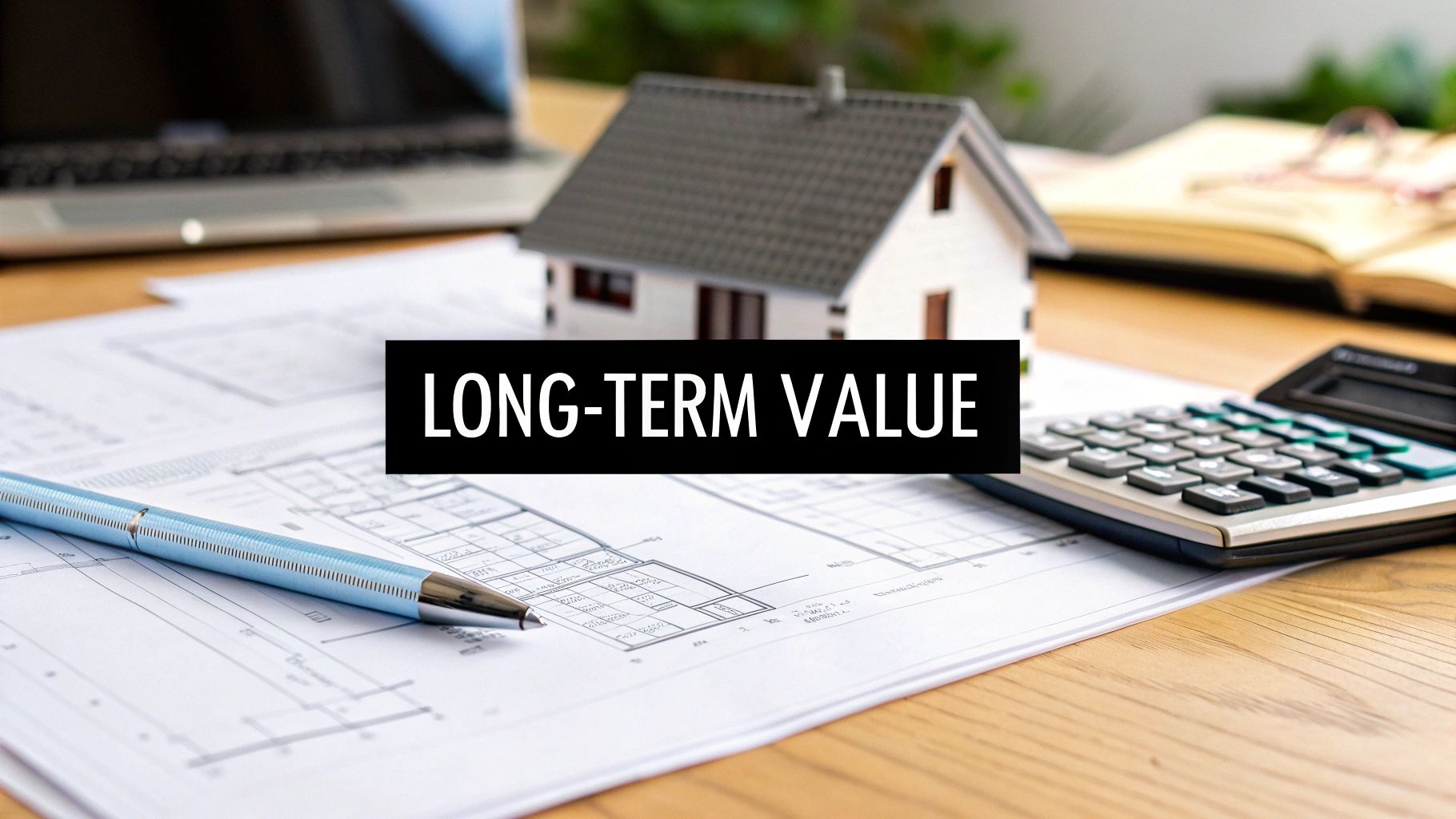
Understanding the Costs and Long-Term Value
Building a custom waterfront property in Cape Coral is a massive undertaking, and you need the full financial picture before you dive in. It’s about more than just the final price tag; it’s about making smart choices from day one to protect your investment and watch it grow. A transparent, realistic budget is your best friend—it prevents nasty surprises and lets you plan for the home you really want.
Let's talk real numbers. The spending starts long before a single shovel hits the dirt, with several key costs laying the groundwork for your entire project.
A Realistic Breakdown of Building Costs
Building on the water comes with its own unique set of expenses you won’t find on an inland lot. You have to account for these right from the start.
- Lot Purchase and Site Prep: This is your first big check to write. The cost can swing wildly depending on the location, whether it’s Gulf access or freshwater, and the lot size. Prep work involves clearing, grading, and often trucking in fill to meet new elevation requirements.
- Design and Engineering Fees: Before you can build, you need the blueprints. You’ll be working with architects and engineers to create the home’s design, structural plans, and the site plans needed to even apply for permits.
- Waterfront-Specific Expenses: This is a big one. A brand-new seawall or even major repairs can easily run into the tens of thousands. A professional seawall inspection is non-negotiable before you buy a lot. Don't forget, the cost of your dream boat dock and lift is a completely separate line item from the home itself.
These upfront costs pave the way for the main event: the construction phase, where you’ll start hearing costs talked about on a per-square-foot basis.
Construction Loans vs. Traditional Mortgages
Financing a new home from the ground up is a different animal than buying a house that's already standing. You'll almost certainly need a construction loan, which is a short-term loan specifically designed to cover the building costs.
Here’s the key difference: a regular mortgage gives you a lump sum at closing. A construction loan, on the other hand, pays out in stages, or "draws." Your builder gets paid as they hit specific milestones—pouring the foundation, finishing the framing, and so on.
The lender sends an inspector out at each stage before releasing the next payment. This process keeps the project on schedule and on budget. Once your home is finished and you have the certificate of occupancy, the construction loan is usually rolled over into a permanent, traditional mortgage.
Securing Your Investment for the Long Term
A custom home in Cape Coral isn’t just a lifestyle upgrade; it’s a powerful long-term investment. The secret to maximizing its value is building with quality and resilience in mind right from the beginning, incorporating the latest hurricane-impact features.
Take high-end, hurricane-resistant features, for instance. Sure, impact windows, reinforced concrete construction, and a whole-home generator add to the upfront cost. But the return on that investment is huge. Not only do you get peace of mind and superior protection, but you’ll also see significant savings on your homeowners insurance premiums, year after year.
The real long-term value comes from building a home that’s not just beautiful, but durable and future-proof. A well-built, resilient home with modern design features will always command a higher resale value because it offers the next owner peace of mind.
The local market data backs this up completely. Demand for Cape Coral real estate, especially on the water, is incredibly strong. The median sale price recently climbed to $366,903, a 3.4% jump in a single month, and pending sales shot up by 68.3% year-over-year. That makes it one of the hottest markets in Southwest Florida.
You can see more of these trends in this detailed market update. With high demand and homes selling in an average of just 60 days, it’s clear that a quality waterfront property is a premium asset. When you build smart, you're not just getting a house; you're securing an investment that will grow in value and stand strong for decades.
Answering Your Questions About Building in Cape Coral
As you get closer to breaking ground on a waterfront property in Cape Coral, a lot of questions start to pop up. It's completely normal. Let's tackle some of the most common things we discuss with clients in the custom home industry, from realistic timelines to the latest design features.
How Long Does It Realistically Take to Build a Custom Home Here?
Forget what you see on TV. Building a quality custom home, especially on the water, isn't a race. A realistic timeline from our first design meeting to the day you get your keys is usually between 12 and 18 months.
Here's a rough breakdown of how that time gets spent:
- Design & Planning (2-4 months): This is where we work together, translating your vision into detailed architectural plans with modern design features.
- Permitting (2-3 months): We submit those plans to the City of Cape Coral. This part of the timeline can shift depending on how busy they are and any new regulations.
- Construction (8-12 months): The actual build, from pouring the foundation to installing the final fixtures.
Working with an experienced local builder is the key here. We know the process and can provide a more precise schedule based on your home's complexity, material availability, and potential weather delays.
What Hurricane-Resistant Features Are Absolutely Essential?
In Southwest Florida, building to code is just the starting point. For a truly resilient custom home, we go further. There are a few key hurricane-impact features that we consider essential, not upgrades.
First and foremost is a complete system of impact-resistant windows and doors. This is your home's armor. We also favor a hip roof design over a standard gable roof; its sloped sides make it far more aerodynamic and structurally sound in a storm. Finally, there's no substitute for reinforced concrete block (CBS) construction for the shell of your home—it provides incredible strength against wind and debris.
We've reached a point where a whole-home generator is a must-have, not just a nice-to-have. When the power grid goes down after a storm, it’s not a luxury—it's the critical piece of equipment that keeps your air conditioning, refrigerator, and security systems running without interruption.
What Are the "Hidden" Costs of a Waterfront Lot?
Building on the water is a dream, but it comes with its own set of costs that you just don't see with inland properties. Knowing about them upfront is the best way to keep your budget on track and avoid any nasty surprises down the road.
The biggest variable is often the seawall. If the lot you're considering has an old, damaged, or low seawall, replacing it can be a significant investment. That's why a professional marine inspection before you close is non-negotiable.
Other common costs to plan for include:
- Soil Testing & Fill Dirt: We may need to bring in quite a bit of engineered fill to properly elevate your lot and ensure we have a stable foundation for the home, meeting new elevation requirements.
- Dock and Boat Lift: This is a separate line item from your home's construction budget. The cost for a new dock and lift can vary dramatically based on the size, materials, and features you choose.
- Higher Insurance Premiums: Even when building to the latest storm-safe codes, you can expect to pay more for flood and homeowners insurance on a waterfront property. It's just part of the reality of living in paradise.
Smart planning means factoring these potential costs into your budget from day one. It’s how a well-managed custom home project stays on track.
Planning your custom waterfront property in Cape Coral is an incredibly exciting journey. At Sinclair Custom Homes Inc, we combine decades of local experience with a commitment to over-engineered quality to build homes that are as durable as they are beautiful. Let's start the conversation about your vision today. https://sinclaircustomhome.com