
That final push before you get the keys to your new custom home is an absolute whirlwind, especially when it’s a Sinclair Custom Homes build here in Southwest Florida. It’s so much more than just packing. You're juggling last-minute coordination with your builder, getting essential services fired up, and prepping for life in a home engineered for Florida's unique climate. A solid game plan for these last few weeks is the key to making sure your move into a space with the latest design features and storm-ready engineering is smooth and exciting, not stressful.
Navigating the Final Stretch Before Your Move
The last month before closing is where all your planning really comes to life. This isn't just about moving boxes from point A to point B; it’s about making sure every detail, from final builder paperwork to the electricity, is ready to go on move-in day. In a booming area like Southwest Florida, builders are often managing multiple projects, making your clear, proactive communication your best asset. How you handle this final period sets the tone for a seamless handover and a great first few days in your dream home.
Confirming Your Closing Date and Final Walkthrough
Don’t sit around waiting for the phone to ring. We advise our clients to reach out to their builder about four weeks before the estimated completion date to lock in a firm closing date. Custom home construction is a fluid process—supply chain news and Florida's unpredictable weather can easily shift timelines.
Once you have that date, get the final walkthrough on the calendar. Try to schedule it a few days before closing, not the morning of. This gives your builder a realistic window to touch up any minor paint scuffs or fix a sticky drawer without holding up the whole process. When you're confirming, ask some pointed questions:
- Will the Certificate of Occupancy (CO) be issued before our walkthrough?
- How do we create the "punch list" of items that need a final touch?
- Who is my go-to person for any warranty questions after we move in?
Coordinating with Local Florida Utilities
Getting utilities set up in Southwest Florida means dealing with a specific set of local providers. Kick this off at least three weeks before you move. Setting up a brand-new service connection for a custom home often takes more time than a simple transfer from an existing property.
You’ll be contacting companies like Florida Power & Light (FPL) for your electricity and then your local city or county for water and sewer. Have your new address and closing date handy when you call. Schedule services to start on your closing day. And don’t forget to line up your internet provider and waste collection services, especially as more new homes incorporate smart features that rely on a strong connection from day one.
Here's a pro tip from our experience: double-check the exact service address with your builder. New construction addresses sometimes have a lag before they are fully updated in utility and postal service databases. Clarifying this early can save you a massive headache.
Organizing Your Essential Documents
A new custom home generates a small mountain of important paperwork. We strongly recommend creating a dedicated "Home Binder" or a digital folder to keep everything in one place. Trust me, you'll be thankful you did this when it's time for routine maintenance or if you ever need to make an insurance claim.
Your binder should contain:
- Builder Warranty Information: Get the specifics on what’s covered for the structure, systems, and finishes.
- Hurricane Protection Specs: This is Florida—you need the manuals and certifications for your hurricane impact windows, doors, and any storm shutter systems.
- Appliance Manuals & New Design Feature Guides: Keep them all together, including info on smart home hubs or unique architectural elements.
- Generator Manuals & Maintenance Schedule: If you have a whole-home generator, this is critical documentation.
- Property Survey and Elevation Certificate: These are must-haves for flood insurance and any future projects like a fence or pool, directly affecting building codes in Southwest Florida.
For a really comprehensive guide that covers everything from pre-move tasks to getting settled, check out this ultimate moving into a new house checklist.
Hiring Movers for a New Construction Site
Hiring movers for a new build in a place like Cape Coral or Fort Myers is a bit different. The site might still have unpaved driveways, leftover construction materials, or tricky access for a big truck. When you're getting quotes, specifically ask the moving companies if they have experience with new custom home construction. You want a crew that knows how to maneuver carefully to protect your brand-new floors, pristine walls, and fresh landscaping.
To keep yourself organized, we’ve put together our own comprehensive new home move-in checklist that’s tailored specifically for this process.
Mastering the Final Walkthrough and Handover
That final walkthrough is so much more than a quick tour before you get the keys. When you're moving into a new home, especially a custom build here in Southwest Florida, this is your single most important chance to confirm that everything you dreamed of—from new design features to critical hurricane-ready elements—has been brought to life perfectly. It’s that pivotal moment where you shift from client to homeowner, and doing it right protects your investment.
Think of it less as looking for flaws and more as confirming perfection. With your builder right there with you, you’ll go through every single detail. A methodical approach ensures that every element, from the handcrafted wood cabinets Sinclair Custom Homes is known for to the critical storm-readiness features, meets the highest standard before you officially take ownership.
The absolute key to a successful walkthrough is showing up prepared. This simple visual guide breaks down the essential steps leading up to your move, making sure you arrive organized and ready to focus on what matters—the home itself.
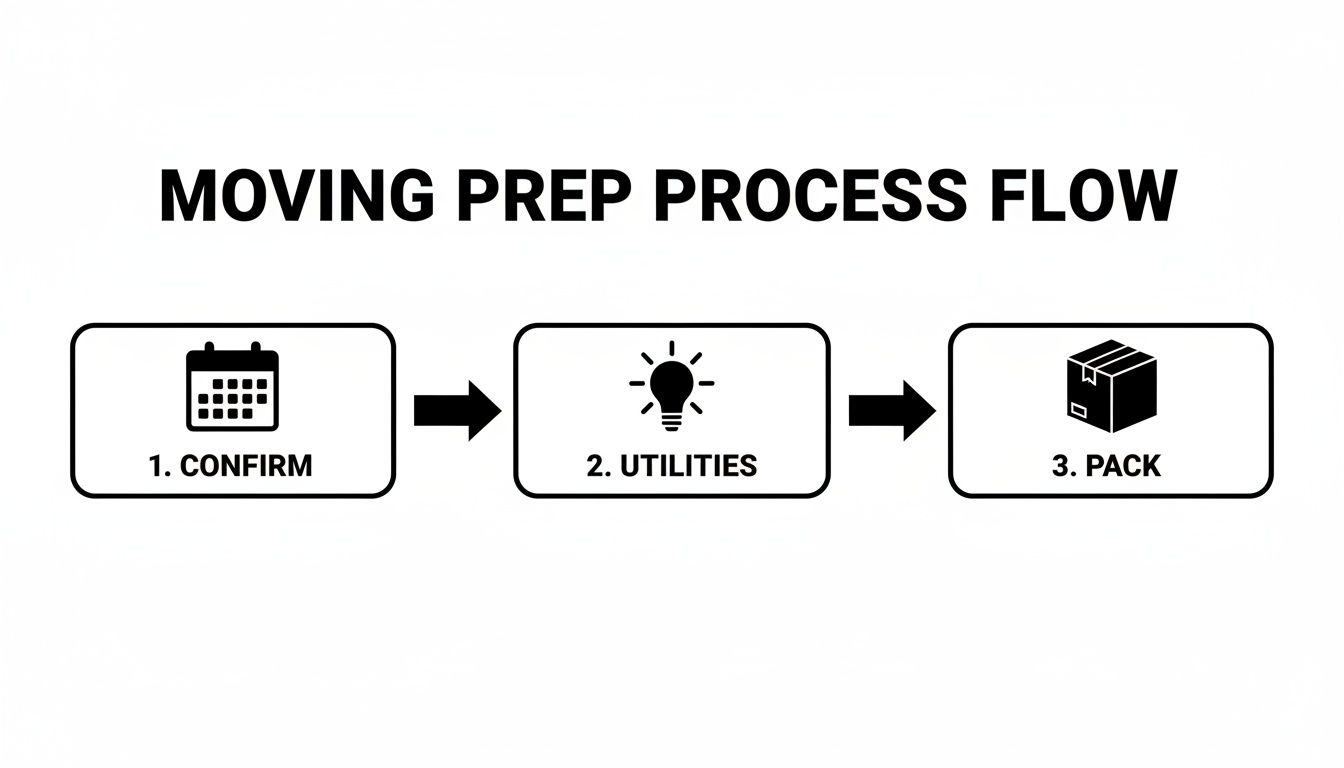
As you can see, getting your dates confirmed, utilities scheduled, and packing underway clears your plate, letting you give the final inspection the undivided attention it deserves.
Your Interior Inspection Playbook
The best way to tackle the interior is systematically. Go room by room with a sharp eye, verifying that every custom feature you planned is exactly as you envisioned. I always recommend bringing a notepad or using an app on your phone to create a "punch list"—this is simply a running list of any items that need a final tweak or touch-up.
Look closely at the craftsmanship and new design features. Are the joints on the trim and crown molding seamless? Do the custom cabinet doors all hang perfectly level and close softly? Test every single door and window; they should open, close, and lock without a hitch. Run your hand along painted walls to feel for a smooth, uniform finish.
Beyond the visuals, you need to test the home’s core functions. Your list should absolutely include:
- Plumbing Fixtures: Turn on every faucet—sinks, showers, tubs. Check for good pressure and make sure hot and cold water are working correctly. Flush every toilet.
- Electrical Systems: A simple phone charger is your best friend here. Plug it into every single outlet to confirm they're all live. Flip every light switch, and don’t forget to test ceiling fans and any integrated smart home controls.
- Appliance Functionality: If your appliances are in, run a quick rinse cycle on the dishwasher and make sure the oven and microwave power on.
A critical mistake homeowners make is rushing through this process. Take your time. This is your custom home, and your builder expects you to be thorough. A good builder is proud of their work and wants you to be completely satisfied.
A detailed checklist is your best tool for a thorough walkthrough. This table breaks down key areas room-by-room, ensuring no detail is overlooked.
Final Walkthrough Inspection Checklist
| Area/System | What to Check | Notes for Builder |
|---|---|---|
| Kitchen | Test all appliances, check cabinet doors/drawers, inspect countertops for scratches, test faucets (hot/cold/pressure), check all outlets (including GFCI). | |
| Bathrooms | Flush toilets, check for leaks, test faucets and showerheads, inspect tile/grout, verify exhaust fans work, check outlets. | |
| Bedrooms/Living | Inspect paint and trim for flaws, test all windows and doors (open, close, lock), check flooring for damage, test all light switches and outlets. | |
| HVAC System | Turn on both heating and cooling to confirm they work. Ask for a filter-changing demonstration. | |
| Exterior | Inspect siding/stucco for cracks, check paint finish, look at landscaping and grading, test exterior outlets and spigots. | |
| Garage | Test the garage door opener (including safety sensors), check outlets, and inspect the floor finish. |
Use the "Notes" column to jot down anything that needs adjustment, creating a clear and actionable punch list for your builder.
Scrutinizing Florida-Specific Features
Living in Southwest Florida means your home needs to be ready for some unique challenges. Your final walkthrough must include a sharp focus on the features designed to protect you and your home, especially from our intense sun, humidity, and storms.
Your builder, Matthew Sinclair, is known for over-engineering homes for this very reason, but you still need to understand how these critical systems operate. This is the perfect time to ask for a hands-on demonstration.
- Hurricane Impact Features: This is a big one. Go over every hurricane impact window and door. Check the seals and test the locking mechanisms. You should ask your builder to show you the manufacturer's documentation that confirms their specific storm rating. These features are your first line of defense and are a key trend in new Florida construction.
- Backup Generator Operation: If you have a generator, this is a non-negotiable part of the handover. Ask the builder to do a full test run. You need to know exactly how to operate it safely, what it powers, and what the routine maintenance looks like before a storm is even on the forecast. Having a generator is crucial during Florida's increasingly active hurricane seasons.
- Elevation and Drainage: Walk the entire property with your builder. They should be able to point out the specific grading and swales designed to channel Florida's torrential rains away from your foundation. Understanding how water is supposed to flow off your lot, based on FEMA flood maps and local building news, is vital for preventing issues down the road.
A deep dive into quality assurance is crucial. For anyone who really wants to understand the nuts and bolts of what defines a well-built home, this in-depth construction quality assurance checklist offers even more detailed points to look for during your inspection. It helps ensure every component, from the foundation up, meets the highest standards.
A Homeowner's Guide to Your New Systems
When you step into your new custom home, you're not just getting a beautiful space—you're getting a suite of advanced systems designed for modern Florida living. This isn't just about flipping switches; it's about understanding the high-performance heart of your home. Getting to know these systems now is the key to enjoying your home without a single worry for years to come.
Your builder has handed over the keys, but the real handover is learning how everything works. We’ll walk through it all, from your high-efficiency HVAC to the storm-readiness features that make life in Southwest Florida so much better.
Mastering Your HVAC for Florida Humidity
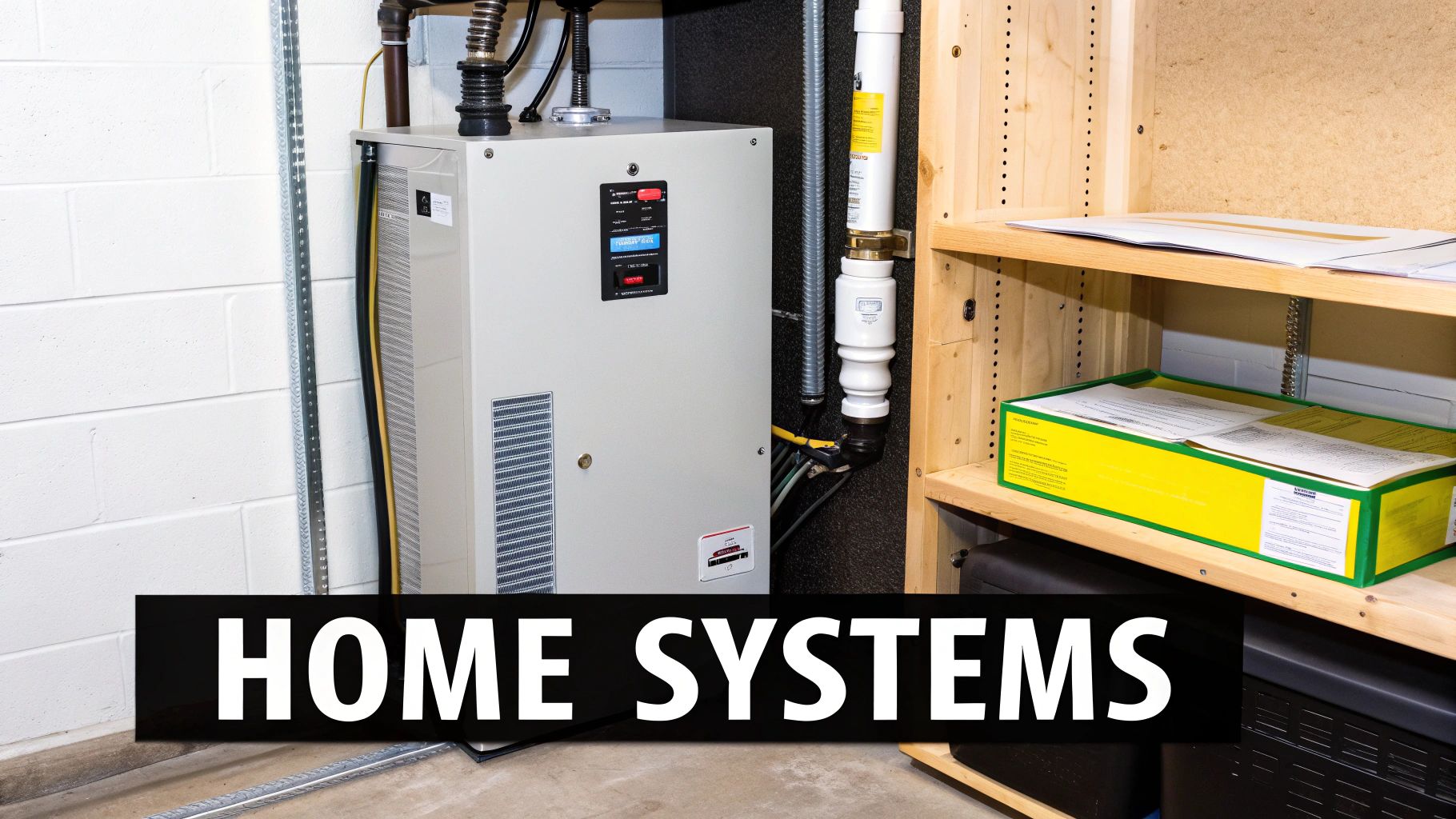
Down here in Southwest Florida, your HVAC system is more than an air conditioner; it’s your number one defense against our famous humidity. The high-efficiency units in new custom homes are brilliant at pulling moisture from the air, thanks to features like variable-speed blowers. Ask your builder to show you how to program the thermostat to prioritize dehumidification—it usually involves running the system in longer, slower cycles.
Maintaining this system is absolutely non-negotiable. Get in the habit of changing your air filters every 30-60 days. A clogged filter can't do its job, forcing the unit to work harder and leaving moisture in the air. That moisture is the enemy of the beautiful wood trim, custom cabinetry, and other new design features in your home.
Core Infrastructure: The Essentials
You need to know your home's basic infrastructure like the back of your hand, especially when an emergency hits. During your final walkthrough, your builder should have pointed these out. If not, make finding them your top priority today.
- Main Water Shut-Off Valve: This is your first stop for any plumbing leak. It’s usually where the water main enters the house—check the garage, a utility closet, or an exterior wall.
- Electrical Breaker Panel: Find your main breaker panel, which is almost always in the garage or a utility room. A good builder will have clearly marked what every single breaker controls, from the kitchen outlets to the pool pump and a dedicated circuit for a generator.
Preserving Your Custom Finishes
Those handcrafted wood cabinets, detailed trim work, and unique countertops are what make your custom home stand out. These new design features and finishes are sensitive to harsh chemicals.
For cleaning, a soft, damp cloth with a bit of mild soap is all you need. Always wipe with the grain of the wood and follow up immediately with a dry cloth. Steer clear of all-purpose sprays and abrasive cleaners; they can strip the finish and dull the material's natural beauty over time.
Pro Tip: Stick some small, clear bumper pads inside your cabinet doors and drawers. It’s a cheap and easy trick that stops them from slamming shut, preserving the integrity of your custom woodwork for years.
Your Guide to Storm-Readiness Systems
In Florida, being ready for severe weather is just a part of life. Your new home was engineered with that reality in mind, built with systems designed to give you security and peace of mind when a storm is on the way.
Your hurricane impact windows and doors are your first line of defense. They’re built tough to withstand high winds and flying debris, so you don't have to deal with bulky shutters. Just keep the tracks clean and check the weather seals occasionally. This is a builder trend that has become a Florida necessity.
If you have a backup generator, it’s your lifeline when the power goes out during a storm. Run a self-test weekly or bi-weekly for about 15-20 minutes. This keeps the engine lubricated and confirms it’s ready to go when you need it most. Keep a simple log of these tests and any professional maintenance.
Many new custom homes also come with smart technology already integrated. To see what's possible, it's worth checking out a guide on the best smart home systems for ideas on automation. And if your backyard paradise includes a new pool, don’t miss our guide on saltwater pool maintenance to keep it sparkling all year long.
Settling In: Your First 90 Days
The moving trucks pull away, the last box is hauled inside, and a quiet calm settles over your new home. This is it. This is where the real journey begins—turning this beautifully built house into your home. The first 90 days are a special time, a chance to thoughtfully transform a structure into a sanctuary that works for you and your family.
This isn’t a race to get every box unpacked overnight. Think of it as a strategic process. You're establishing new routines, adding your personal stamp, and syncing up with the rhythm of life here in Southwest Florida. If you tackle this period with a game plan, you'll sidestep the overwhelm and actually enjoy making this house your own.
A Smarter Way to Unpack
It’s tempting to tear into every box at once, but trust me, a phased approach is so much less chaotic. Prioritize unpacking to create zones of comfort and function first. It makes the whole thing feel manageable instead of monumental.
Here’s a good way to break it down:
- The First 72 Hours: Go straight for the essentials—the kitchen, your primary bedroom, and at least one full bathroom. Getting these core areas set up gives you an immediate sense of normalcy.
- Weeks 1-4: Next, turn your attention to the high-traffic spots like the living room and home office. This is when the house really starts to feel less like a storage unit and more like a place you live.
- Weeks 4-12: Now you can hit the secondary spaces. Guest rooms, closets, and the garage can all be unpacked and organized at a much more relaxed pace.
The goal here is simple: progress, not perfection. Finish one room completely before you even think about starting the next. You'll get a real sense of accomplishment that way.
Winning the Battle Against Humidity
Living in Florida means dealing with the air itself. High indoor humidity isn't just sticky and uncomfortable; it can be a real threat to the beautiful finishes and integrity of your new custom home. Your builder put in a high-efficiency HVAC system for a reason, but it's up to you to manage it properly.
Always keep your thermostat set to "Auto," never "On," and try to keep your indoor humidity between 45% and 55%. A simple digital hygrometer is perfect for keeping an eye on it. Running the AC consistently is your best defense against humidity, protecting your new design features like handcrafted wood cabinets and trim from warping.
This kind of proactive thinking is more important than ever. The custom home industry in Florida is booming as people continue to move to the state for a fresh start. Recent building news shows a steady influx of residents into Southwest Florida, drawn by new builder trends that emphasize both luxury and resilience.
Your Florida Home Maintenance Calendar
A new home is low-maintenance, but it's not no-maintenance, especially with our climate. Putting together a simple calendar will keep you on track and protect your investment for the long haul.
Monthly To-Dos:
- Test Smoke Detectors: It only takes a second. Just press the button on each one to make sure they’re working.
- Clean HVAC Filters: This is non-negotiable in Florida. A clean filter every month is key for good air quality and an efficient system.
- Quick Pest Inspection: Take a quick walk around the foundation, windows, and any wet areas to look for signs of critters.
Quarterly To-Dos:
- Schedule Pest Control: The best way to deal with Florida bugs is to stop them before they start. A professional quarterly service is worth its weight in gold.
- Clean Out Drains: Use a natural enzyme cleaner in sinks and showers to keep things flowing freely and prevent buildup.
- Check Sprinkler Heads: Make sure your irrigation system is watering the lawn, not the side of your house.
This simple routine quickly becomes second nature. It protects your home’s value and lets you enjoy living in it without worrying about small problems turning into big ones. As you settle into your new place in Cape Coral or Fort Myers, these small, consistent actions will make all the difference.
Protecting Your Investment Through Warranties and Maintenance
Moving into your new home is an incredible milestone, the finish line of your custom build journey. But now, the real work of protecting this major investment begins. A well-built home by a builder like Matthew Sinclair is engineered to last, especially here in the tough climate of Southwest Florida. Still, it’s the one-two punch of understanding your builder's warranty and sticking to a proactive maintenance routine that truly safeguards its value for years.
This isn’t just about chores; it’s about genuine peace of mind. When you know exactly how your home is protected and what simple steps keep it in top shape, you can finally relax and enjoy the lifestyle you’ve worked so hard to create.
Understanding Your Builder Warranty
Think of your builder's warranty as their official handshake—an assurance of quality and craftsmanship. It’s not one single policy but usually comes in several parts, each covering different components of your home—from new design features to core systems—for different lengths of time.
For example, most structural warranties last for a solid 10 years, covering the foundation and bones of your home. The big systems—plumbing, electrical, and HVAC—are often covered for about two years, while workmanship and materials typically get a one-year warranty.
When you need to make a claim, documentation is your best friend. If you spot an issue with a finish or a system, snap a quick, clear photo. Then, send a detailed email to your builder’s warranty contact. Creating that digital paper trail is hands-down the best way to track your requests and make sure they get handled promptly.
A common point of confusion is the line between a warranty issue and a maintenance issue. Your warranty covers defects from the original construction, not problems that pop up from a lack of upkeep, like an HVAC system failing because of a long-neglected, clogged filter.
Proactive Maintenance for Your Florida Home
Once the warranty periods start to expire, proactive maintenance becomes your job. For those of us in Cape Coral and Fort Myers, that routine needs to be tailored to our unique subtropical climate—relentless sun, high humidity, and the constant possibility of storms. A simple seasonal checklist is the best tool you can have.
There’s no doubt our area is booming. News about building in Florida consistently highlights the state's growth. People are drawn to new builder trends that prioritize open-concept living, indoor-outdoor spaces, and storm-resilient construction. For anyone moving into a new custom home here, getting a handle on local maintenance is non-negotiable. You can learn more about general residential moving trends for 2025 and see just how much sunbelt states are exploding.
Your Seasonal Southwest Florida Checklist
A simple, repeatable schedule can stop small issues from turning into massive, expensive headaches. Here’s a practical guide to keep your home in prime condition all year long.
Rainy Season Prep (Late Spring):
- Clear Gutters and Downspouts: Our summer downpours are no joke. Clogged gutters can challenge even the best drainage and elevation plan.
- Inspect Window and Door Seals: Take a walk around and check the caulking on your hurricane impact features for any cracking or peeling. A tight seal is critical for both storm season and energy efficiency.
- Trim Landscaping: Before storm season really gets going, cut back any tree branches hanging too close to your roof or windows.
Dry Season Check-Up (Fall and Winter):
- Schedule HVAC Service: This is the ideal time for a professional tune-up before the AC has to start working overtime again.
- Exterior Paint Inspection: Walk the perimeter of your house. Look for any hairline cracks in the stucco or spots where the paint is fading. The Florida sun is brutal, and a solid coat of paint is a critical barrier against moisture.
- Check for Pests: As the weather cools and dries out, pests start looking for a warm place to call home. Inspect your foundation and attic for any little signs of entry.
By sticking to this simple plan, you’re not just doing chores—you’re actively protecting your custom home and ensuring it remains the beautiful, high-performing sanctuary you designed for decades to come.
Your Top Questions Answered: Settling into Your Custom Florida Home
That first year in a new home is always an adventure, and it’s even more so when it’s a custom build perfectly designed for the Southwest Florida lifestyle. You’re going to have questions—everyone does. From getting ready for our famous weather to understanding the little quirks of your new property, getting solid answers upfront makes all the difference. We’ve been asked just about everything, so we put together the most common questions new homeowners have to help you settle in like a pro.
What’s The Very First Thing I Should Do After Getting The Keys?
Once the keys are in your hand, your first priorities should be security and knowing your home’s basic functions. Even though you trust your builder completely, it's just smart practice to re-key all exterior locks. It’s a simple step that gives you absolute peace of mind.
Next, find your main water shut-off valve and the electrical circuit breaker panel. Your panel should be clearly labeled, identifying circuits for major appliances and your generator, if you have one. In an emergency, you won’t want to be fumbling around. After that, bring in your "first night" box of essentials, test your smoke detectors, and let your pets get used to one room at a time.
I Just Moved In. Should I Start Thinking About Hurricane Season Already?
Absolutely. The best time to prepare for a hurricane is right now. Your custom home was built with features like hurricane impact windows and doors, but having a personal plan is non-negotiable. The news constantly covers the increasing intensity of storms in Florida, making preparedness a year-round mindset.
Here’s where to start:
- Build your hurricane kit: Stock up on water, non-perishable food, medications, batteries, and flashlights.
- Get on the list for local alerts: Sign up for emergency notifications from your county.
- Know your gear: Review the operation of your home’s storm features and your generator. Know your evacuation zone and plan.
Being ready long before a storm even forms is how you navigate hurricane season without panic. It's about leveraging the resilience your builder provided and adding your own layer of preparedness.
Are There Any Maintenance Surprises I Should Expect in a New Florida Home?
For newcomers to Florida, two things tend to be a surprise: the sheer power of our humidity and the fact that pests are a year-round reality. That humid air means your HVAC will be working consistently to protect your new design features and custom cabinetry from moisture.
And yes, the bugs. In our subtropical climate, they're always around. We can’t stress this enough: get a contract with a reputable local pest control service right away. A key new builder trend is integrating pest control systems directly into the walls during construction, but regular service is still essential. Don't be shocked by how fast your new landscaping grows during the rainy season—it’s impressive!
What Do I Need To Know About My Lot’s Elevation and Drainage?
Here in Southwest Florida, a massive amount of engineering goes into managing water. Your property's elevation and drainage systems are designed to keep water away from your home, a critical feature given recent news about storm surge and flooding events in Florida.
Your entire lot is carefully graded to push water away from the foundation. It's crucial that you don't accidentally disrupt this system. For example, building a raised garden bed right up against the house could trap water and cause major problems. Always keep that natural flow in mind when planning landscaping to preserve the integrity of your home's foundation and respect local building codes.
At Sinclair Custom Homes Inc, we don’t just build houses; we engineer homes specifically for the Florida lifestyle. Every detail, from hurricane impact features to elevation and new design trends, is considered to ensure your peace of mind for years to come. If you're thinking about building a home that will truly stand the test of time in Cape Coral or Fort Myers, contact us today and let's start the conversation.