
Moving into your newly built custom home in Southwest Florida is a milestone moment, marking the culmination of a significant investment and a detailed design process. Unlike purchasing a standard resale property, taking possession of a custom home, particularly in a unique market like Cape Coral or Fort Myers, requires a specialized and meticulous approach. This isn't just about unpacking boxes; it's about systematically verifying the craftsmanship, activating advanced systems, and preparing your home for Florida's specific environmental challenges, from hurricane readiness to understanding the latest building codes related to elevation.
This comprehensive move in checklist is your definitive blueprint, tailored for discerning homeowners navigating the final stages of a custom build. It goes beyond generic advice, focusing on critical tasks specific to new construction in our region. We will cover everything from the final builder walkthrough and snag list to activating hurricane-impact features and understanding the latest in generator technology for storm resilience. You will learn how to verify that the high-quality materials and innovative new design features promised are perfectly executed, ensuring your home is secure, efficient, and ready for the coastal lifestyle.
Following this structured plan ensures you protect your investment from day one. It helps you streamline the often-overwhelming transition from construction site to a fully functional, personalized sanctuary. By addressing these key points before the moving trucks arrive, you can immediately begin to enjoy the unmatched quality and peace of mind that comes with a well-built custom home designed for the demands of Southwest Florida living. This guide will help you confirm that every detail, from foundation to finish, meets the highest standards.
1. Verify All Utility Connections and Systems
The very first step on any new homeowner's move in checklist is confirming that your home’s essential lifeblood, its utilities, are fully operational. This goes beyond simply having the lights turn on; it's about verifying the integrity and readiness of the sophisticated, often over-engineered systems found in a custom-built residence. In Southwest Florida, where homes are designed to withstand extreme weather, ensuring these systems are properly commissioned is a matter of both comfort and safety.
Why This is Your First Priority
Before you unpack a single box, you need to confirm that electricity, water, gas (if applicable), high-speed internet, and waste services are not just connected but are also correctly registered in your name. In a new custom home, particularly one reflecting the latest builder trends, these aren't just basic hookups. You are dealing with professionally installed, high-efficiency systems designed for reliability and minimal maintenance, and their proper function from day one is critical. Verifying these connections, including the setup for your whole-home generator, ensures a seamless transition and prevents frustrating service interruptions during a storm.
Actionable Steps for Verification
Follow this structured approach to ensure every system is ready for your arrival:
- Document Initial Readings: During your final walkthrough, take clear photos or videos of the electric meter, water meter, and any gas meters. This creates a definitive starting point for your billing cycles with local providers like Lee County Electric Cooperative (LCEC) or the City of Cape Coral utilities.
- Test Every System: Go beyond a simple flick of a switch. Run the air conditioning to ensure the pre-tested, climate-optimized HVAC system is cooling effectively. Test hot water in all bathrooms and the kitchen. Flush toilets to check water pressure and drainage.
- Confirm Internet and Smart Home Connectivity: With the rise of integrated smart home features as a key new design trend, verifying your internet connection is paramount. Ask your builder’s team to demonstrate how to connect to and operate any advanced systems, from smart thermostats to security features, ensuring they are properly linked to your new service.
Pro-Tip: Schedule your final utility inspection and system demonstration with your builder during the final walkthrough. This is the perfect opportunity to ask questions directly and receive hands-on guidance for operating your home's unique features, including any generator hookups designed for storm season. Request written documentation confirming all systems have passed their final inspections.
2. Conduct a Final Walkthrough with Your Builder
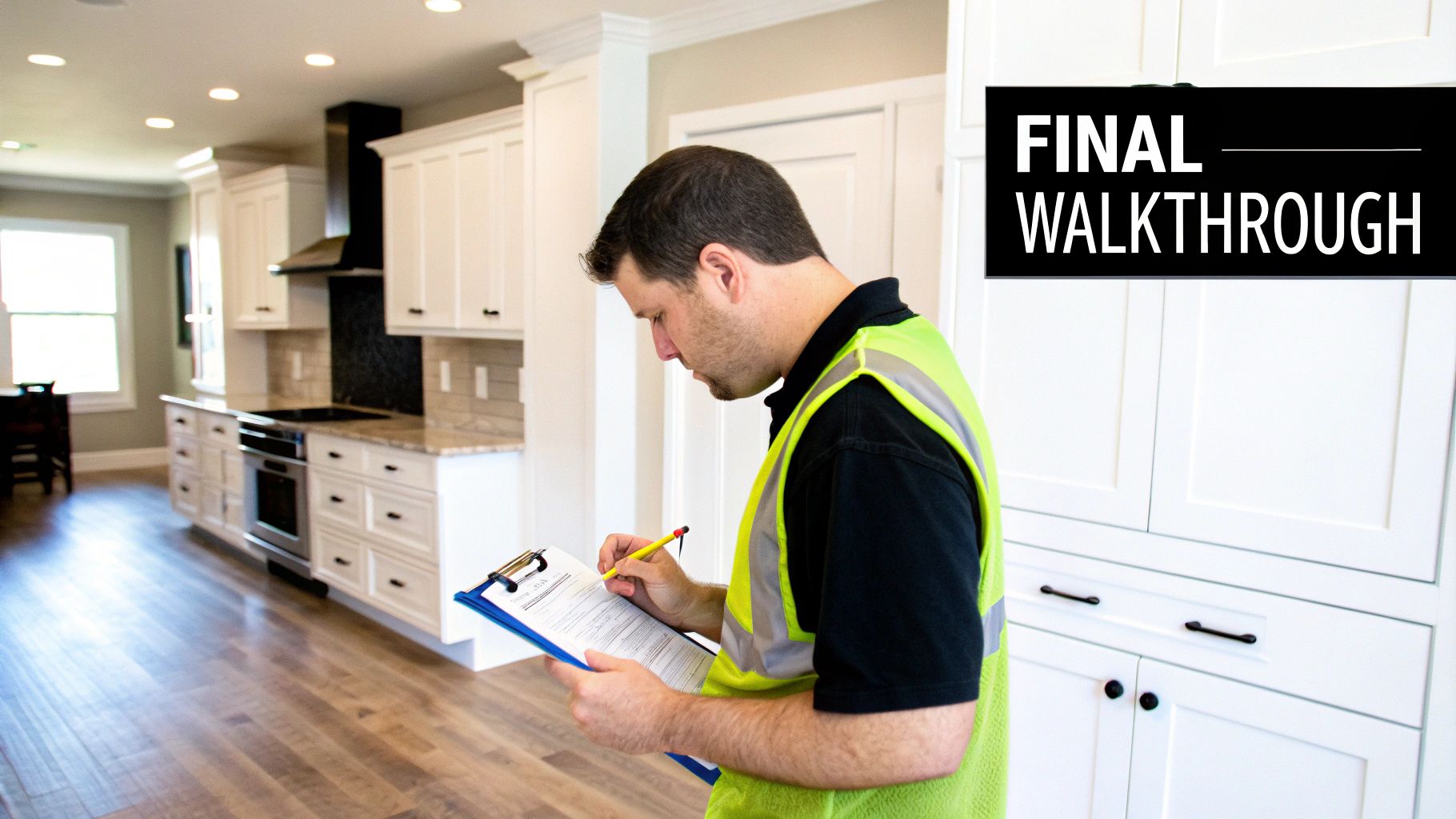
The final walkthrough is arguably the most critical inspection on your move in checklist, transforming the moment from a house viewing into a formal acceptance of your new home. For a client in the custom home industry, this is not a mere formality; it is a collaborative review with the builder to confirm every detail meets the high standards of modern construction in Florida. This is your dedicated opportunity to meticulously inspect every detail, from foundational finishes and elevation compliance to the intricate custom design features that define your residence.
Why This is Your First Priority
Before you officially take possession, the final walkthrough serves as your primary chance to identify and document any items needing correction, often called a "punch list." In a custom home filled with bespoke features, this step is vital. It allows you to verify that everything has been built to the agreed-upon specifications and quality standards, from the precise alignment of handcrafted cabinetry to the flawless finish on custom trim and crown molding. Addressing these points before closing ensures they are resolved under the builder's construction process, rather than as post-move-in warranty claims.
Actionable Steps for Verification
A methodical approach is key to a productive final walkthrough. Use this checklist to guide your inspection:
- Inspect All Surfaces and Finishes: Look closely at paint, drywall, flooring, and tile. Check for scuffs, chips, or inconsistent application. Use a flashlight to examine corners, closets, and other low-light areas for detail.
- Test Every Functional Component: Do not assume anything works. Turn on every light switch, test every outlet (a simple phone charger works well), run all faucets (checking for hot water and pressure), and operate every appliance. Open and close all windows and doors to ensure they function smoothly.
- Review Custom and Structural Details: Carefully examine custom woodwork for proper hardware alignment and stain consistency. Ask your builder to point out specific hurricane impact features, explain the generator hookup, and discuss how the home’s final elevation meets current Southwest Florida building codes for storm readiness.
Pro-Tip: Arrive prepared with a detailed checklist, a notepad, and your smartphone for photos. Consider bringing a copy of your building plans and a comprehensive guide like this custom home building checklist for reference. Do not sign the final acceptance paperwork until you are completely satisfied that all documented items have been addressed to your satisfaction.
3. Obtain and Organize All Documentation and Warranties
An essential but often overlooked item on your move in checklist is to systematically collect and organize every piece of documentation related to your new custom home. This goes far beyond stashing appliance manuals in a drawer; it's about creating a comprehensive library for your home’s high-performance systems, custom finishes, and structural components. In a modern custom home, these documents are the official record of the quality, engineering, and care invested in your property, including critical paperwork for hurricane impact features and elevation certificates.
Why This is Your First Priority
Your home's documentation is its operational playbook. It contains vital information on everything from the manufacturer’s warranty for your impact-resistant windows to the specific care instructions for new design features. Properly organizing these files from day one ensures you can quickly access information when needed, whether it's for registering a product, scheduling specialized maintenance for your high-efficiency HVAC system, or providing details to a service technician about your whole-home generator. A well-kept home binder protects your warranty rights and streamlines upkeep, preserving the integrity and value of your home.
Actionable Steps for Verification
Establish a robust system for managing your home’s records right away:
- Create a Central Home Binder: Use a large three-ring binder with dividers for different categories like "Appliances," "HVAC," "Structural," "Hurricane Features," and "Exterior." File all physical copies of warranties, manuals, builder contracts, and final permits here.
- Digitize Everything: Scan every document, especially the elevation certificate, and save it to a secure cloud storage service (like Google Drive or Dropbox). Name files clearly (e.g., "Impact_Window_Warranty_Expires_2026.pdf") for easy searching. This digital backup is invaluable in case of damage to physical copies.
- Build a Maintenance Calendar: Review your warranties and manuals to create a digital calendar with reminders for key maintenance tasks, like the annual service for your whole-home generator, and warranty expiration dates. This proactive approach helps you stay ahead of required service for all of your home's advanced systems.
Pro-Tip: Request a comprehensive "turnover package" from your builder during your final walkthrough. This package should include all subcontractor contact information, a list of all installed products and their serial numbers, and any builder-specific maintenance guides. This organized handover is a hallmark of a professional custom builder and gives you a powerful head start on home management.
4. Deep Clean and Prepare Your Home for Move-In
Even a newly constructed custom home requires a thorough, professional-level cleaning before you begin moving in your belongings. While top custom builders deliver a "broom-swept" home, the nature of construction leaves behind a fine layer of dust and minor debris. This step on your move in checklist is crucial for establishing a pristine living environment and allows you to properly inspect the true condition of your home’s high-end finishes, from custom cabinetry to detailed trim work reflecting the latest design features.
Why This is Your First Priority
A deep clean is about more than just aesthetics; it's about preparation and protection. Fine construction dust can settle in hard-to-reach places like inside air ducts, atop crown molding, and within the intricate details of custom millwork. Addressing this before furniture arrives ensures you are not simply moving dust around. It also prevents potential scratches on delicate surfaces, such as newly installed hardwood floors or high-gloss countertops, during the move-in process. In a meticulously engineered home, starting with a clean slate is non-negotiable.
Actionable Steps for Verification
Execute a detailed cleaning plan to ensure every surface is move-in ready:
- Schedule a Professional Cleaning: The ideal time for this is after your final walkthrough with the builder but before your moving company arrives. Hire a reputable service experienced with post-construction cleanups, as they will have the right tools and products for various custom finishes.
- Focus on Details: Instruct the cleaning crew to pay special attention to areas where construction dust accumulates. This includes wiping down the inside and outside of all cabinets and drawers, cleaning light fixtures, and carefully dusting detailed trim and baseboards.
- Address Flooring Properly: Different flooring materials require specific care. For custom wood floors, ensure the cleaners use appropriate products to avoid damaging the finish; for guidance, you can consult a comprehensive wood floor cleaning checklist to understand the correct procedures.
Pro-Tip: Request your builder perform their final construction cleanup a day or two before your professional cleaners are scheduled. This removes the bulk of the debris, allowing your hired team to focus on the fine-detail cleaning that makes a new custom home truly shine. Take "before" and "after" photos to document the condition for your records.
5. Update Your Address with Government and Service Providers
Beyond the physical transition, an essential part of your move in checklist is establishing your new legal and financial footprint in Southwest Florida. Formally updating your address is a critical step that ensures seamless delivery of important documents, from your builder's warranty information to official government correspondence. For owners of new custom homes in areas like Cape Coral or Fort Myers, this process solidifies your residency for tax purposes, voting rights, and securing local services, which can be impacted by news and regulations affecting building in Florida.
Why This is Your First Priority
Updating your address is about more than just getting your mail; it’s about officially integrating into the community and protecting your investment. For instance, ensuring the Lee County Property Appraiser has your correct mailing address is vital for receiving homestead exemption information and property tax notices. A missed communication could lead to unintended penalties or a lapse in crucial insurance coverage, which is especially important in a region where hurricane preparedness and proper elevation are year-round focuses.
Actionable Steps for Verification
A systematic approach ensures no entity is overlooked. Create a master list and work through it methodically:
- Start with the Essentials: Begin with the U.S. Postal Service by submitting your official change of address online at USPS.com. Next, update your Florida driver's license and vehicle registration, which you can often start online before visiting a local Lee County Tax Collector's office.
- Notify Financial and Insurance Providers: Contact your banks, credit card companies, and investment firms. Most importantly, inform your homeowner’s and auto insurance agents of your new address and provide them with your elevation certificate and list of hurricane impact features, as these can significantly affect your premiums.
- Update Local and Government Records: Notify the Lee County Property Appraiser to ensure tax records are accurate. Update your voter registration with the Lee County Supervisor of Elections to participate in local governance. Don't forget healthcare providers, pharmacies, and any subscription or membership services.
Pro-Tip: Consolidate your important documents, such as your closing statement and utility bills, into a digital folder. This makes it easy to provide proof of residency when updating your information with various agencies. For new homeowners, this is also a great time to confirm your address is correctly listed for your home's builder warranty registration.
6. Test All Doors, Windows, Locks, and Security Systems
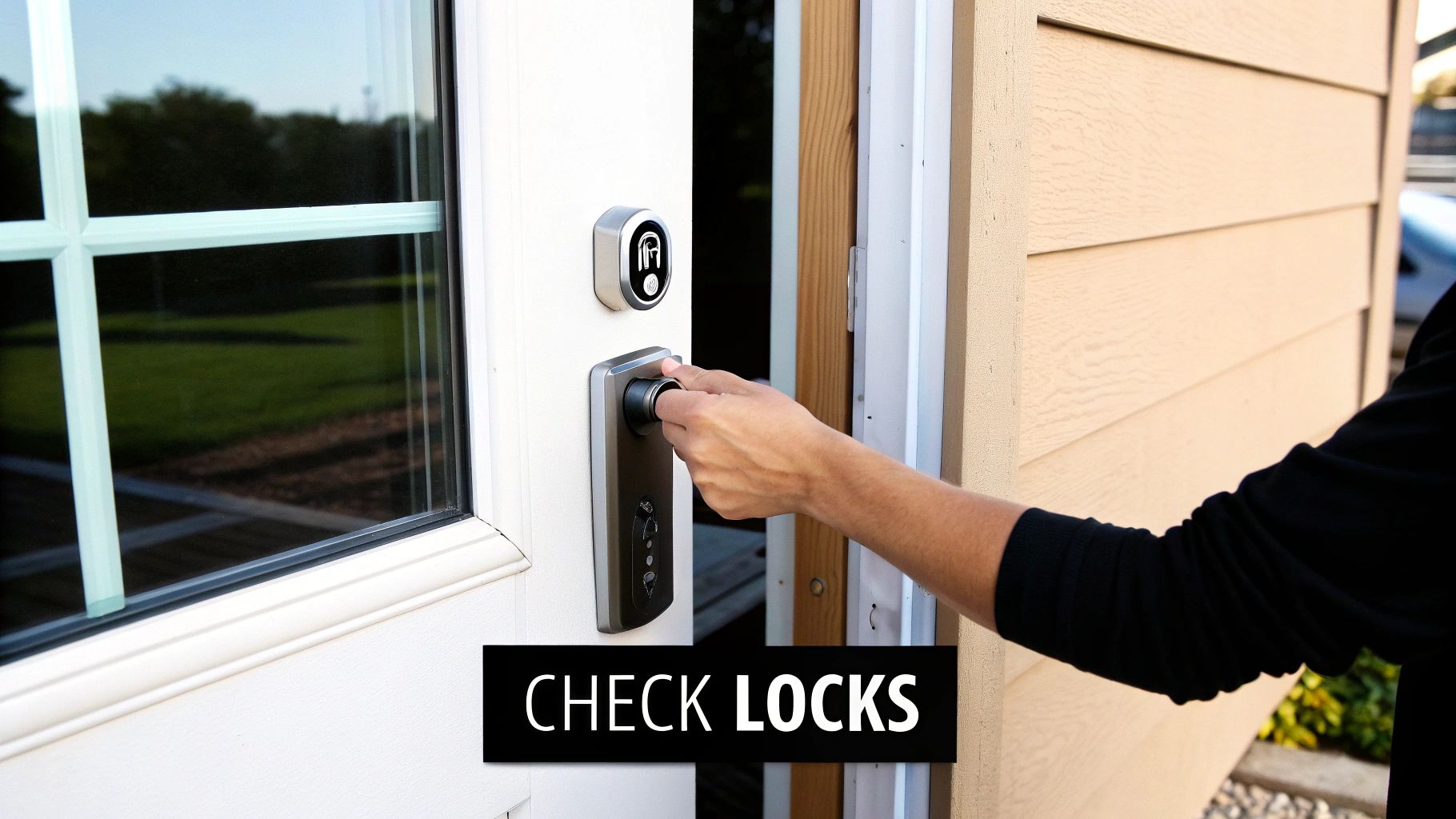
Once utilities are confirmed, the next critical task on your move in checklist is to verify the physical security and integrity of your home's entry points. This involves a systematic check of every door, window, lock, and integrated security system. In a custom-built Florida residence, these components are not standard; they are engineered for superior performance, storm resistance, and long-term security. Ensuring they function flawlessly from day one is essential for your peace of mind and safety.
Why This is Your First Priority
Before settling in, you must confirm that your home is a secure sanctuary. In a region like Southwest Florida, doors and windows are your primary defense against both intruders and severe weather. Leading custom builders use over-engineered frames and hurricane-impact glass, but their effectiveness depends on perfect installation and operation. Verifying that every lock engages, every seal is tight, and every security sensor is active ensures your home’s protective envelope is fully functional, protecting your family and investment during a storm.
Actionable Steps for Verification
Follow this detailed approach to meticulously test every access point and security feature:
- Perform a Full Operational Test: Open and close every single door and window, including interior doors, closets, and sliders. They should operate smoothly without sticking, binding, or excessive effort. Check that each one latches securely and creates a tight seal, which is crucial for both security and energy efficiency.
- Test All Locking Mechanisms: Systematically test every lock. For traditional keyed locks, ensure keys turn smoothly. For deadbolts, verify they fully extend and retract. With modern smart locks, a popular new design feature, confirm they are properly paired to your devices, test keypad codes, and check battery levels.
- Activate and Audit Security Systems: Have the builder’s team walk you through the home's security system. Arm and disarm the system, test motion detectors, and verify that all window and door sensors are registering correctly. If you have smart home integration, confirm you can access cameras and system controls via your mobile app.
Pro-Tip: During your final walkthrough, request a complete demonstration of all security and hurricane impact features. This is the ideal time to get hands-on training for operating smart locks, programming the alarm system, and understanding how these systems integrate with any backup power or generator hookups, ensuring your home remains secure even during a power outage in a storm.
7. Inspect Flooring, Paint, and Finish Quality Throughout
The fit and finish of your custom residence are where craftsmanship truly becomes apparent. As part of your final move in checklist, a meticulous inspection of all surfaces, from flooring to paint, is essential. This is your opportunity to verify that the high standards promised are delivered, especially in a home built to withstand Southwest Florida’s unique climate, where material quality and new design features are paramount.
Why This is Your First Priority
Before furniture and decor fill the space, you have an unobstructed view of every wall, floor, and ceiling. This is the ideal time to identify any minor imperfections that can be easily addressed. Top custom builders pride themselves on using premium materials and expert application techniques, from professional exterior paint engineered for Florida's intense sun and humidity to finely detailed trim and crown moldings. Verifying these finishes meet luxury standards ensures your home's long-term beauty and durability from day one.
Actionable Steps for Verification
A systematic approach will help you catch even the smallest details. Use this checklist during your final walkthrough:
- Vary Your Lighting: Inspect paint finishes under both bright natural daylight and artificial light. This helps reveal any inconsistencies in sheen, drips, or uneven coverage that might be missed in a single lighting condition.
- Check Every Surface: Run your hand along walls and trim to feel for smoothness. Look for any paint on fixtures, hardware, or window frames that should be clean. Walk across all flooring, listening for squeaks and checking for any movement in tiles or planks.
- Document Meticulously: Use your smartphone to take close-up, well-lit photos of any issues you find, such as an inconsistent grout line or a paint scuff. This visual record is crucial for creating a clear and actionable punch list for your builder.
Pro-Tip: Ask your builder for the specific paint codes (brand, color name, and finish) used in your home. Request a small supply of touch-up paint for each color. This empowers you to handle minor scuffs that occur after moving in, keeping your home looking pristine. For more insights into material selection and quality checks, review these new home construction tips.
8. Verify Appliances, Fixtures, and Their Installation
Beyond the core utilities, the next critical task on your move in checklist is a hands-on verification of every appliance, fixture, and piece of hardware in your new residence. In a custom-built home, these are not just functional items; they are carefully selected components integral to the home’s over-engineered design and luxury aesthetic. From high-performance kitchen appliances that are a current builder trend to hurricane-rated bathroom fixtures, each element has been installed to precise specifications, and confirming their flawless operation is essential.
Why This is Your First Priority
The appliances and fixtures in a modern custom home are premium, often featuring advanced technology and specialized functions. Verifying them upon move-in ensures that everything from your professional-grade gas range to your spa-like shower system works as intended. Identifying any issues, such as an improperly balanced dishwasher or a faucet with low pressure, during the final walkthrough allows your builder to address them immediately, preventing future inconvenience and ensuring your home’s systems perform to their high-end potential from day one.
Actionable Steps for Verification
Adopt a systematic, room-by-room approach to test every installed component thoroughly:
- Run Full Operational Cycles: Don't just turn appliances on and off. Run a complete wash cycle in the dishwasher and washing machine. Allow the refrigerator and freezer to reach their set temperatures. Test all functions on the oven, microwave, and cooktop.
- Test All Plumbing Fixtures: Turn on every faucet (hot and cold) to check for consistent water pressure and temperature. Flush all toilets and observe how quickly they refill. Run water in every sink and tub to confirm drains flow freely without gurgling or slow drainage.
- Inspect Installation Quality: Physically check that all fixtures are securely fastened, level, and properly sealed. Gently nudge appliances to ensure they are stable and don't wobble. Confirm that all cabinet and door hardware is tight and functions smoothly.
Pro-Tip: During your walkthrough, ask your builder to demonstrate the unique features of your high-end appliances. Take photos of the serial and model number plates on each unit. This creates an immediate inventory for warranty registration and is invaluable if you ever need service. This level of detail is a key part of our comprehensive quality assurance approach, which you can read more about in our construction quality assurance checklist.
9. Photograph and Document the Home's Condition
Before furniture arrives and life begins to fill your new space, a crucial item on your move in checklist is to create a detailed visual and written record of your home's pristine condition. This isn't just about finding potential flaws; it’s about establishing a baseline for a custom-built home. For a residence crafted with precision in the custom home industry, this documentation becomes an invaluable asset for warranty claims, insurance purposes, and tracking the performance of specialized features over time.
Why This is Your First Priority
This initial record serves as your official "before" snapshot. In Southwest Florida, where environmental factors can impact a home, having a time-stamped visual archive is critical. It provides indisputable evidence of the home's condition upon delivery, protecting your investment. This is especially important for custom elements like unique architectural finishes or new design features, ensuring any future warranty discussions are based on a clear, shared understanding of the starting point. It also documents the initial state of hurricane impact features, providing a baseline should you ever need to file an insurance claim after a storm.
Actionable Steps for Verification
A systematic approach ensures your documentation is comprehensive and useful:
- Create a Complete Visual Log: Use a high-resolution smartphone or camera to photograph every single room from multiple angles. Capture wide shots to show the overall space, then take detailed close-ups of finishes, fixtures, flooring, and trim work. Don't forget to document the exterior, including the roof, siding, and landscaping.
- Focus on Custom & Technical Details: Pay special attention to the unique features of your home. Photograph the immaculate condition of custom cabinetry, the flawless installation of your impact-resistant windows, and the initial setup of your generator and HVAC systems. These photos are vital for future maintenance and potential warranty claims.
- Shoot a Narrative Video Walkthrough: A video walkthrough allows you to add verbal commentary. As you film, state the date and narrate the condition of each room and feature. Open and close doors, windows, and drawers to show they function correctly. This dynamic record complements your still photos.
Pro-Tip: Store your digital files in at least two secure locations, such as a cloud service (Google Drive, Dropbox) and an external hard drive. Add a date watermark to your images for an extra layer of verification. This digital archive is your most powerful tool for protecting the long-term value and integrity of your new custom home.
10. Set Up Landscaping, Outdoor Systems, and Initial Maintenance
The exterior of your home is just as crucial as the interior, and it’s a vital part of your move in checklist that requires immediate attention. In Southwest Florida, landscaping is not merely decorative; it's a functional system designed for resilience, water management, and aesthetic appeal in a tropical climate. For a new custom home from a top-tier builder, your outdoor space likely features professionally installed landscaping and sophisticated systems that are essential to the property's value and your enjoyment.
Why This is Your First Priority
Before you settle in, you need to ensure your home's exterior systems are functioning correctly to protect your investment. The intense Florida sun, seasonal rains, and salt air in coastal areas like Cape Coral and Fort Myers place unique demands on landscaping, irrigation, and outdoor lighting. Properly managing these from day one prevents costly issues like sod loss, plant stress, or water damage from improper grading and elevation. Understanding the care requirements for the specific, often native, flora selected for your home is key to its long-term health and beauty.
Actionable Steps for Verification
Follow this structured approach to take control of your new outdoor oasis:
- Inspect and Test All Outdoor Systems: Manually run each zone of your irrigation system to check for proper coverage, leaks, or broken heads. Test all exterior lighting, including landscape lights and security fixtures, confirming any timers are programmed correctly. Verify that pool and spa equipment, if applicable, is fully operational.
- Understand Your Landscaping and Irrigation Schedule: Ask your builder’s team for a walkthrough of the irrigation controller. Learn how to program it and request the recommended watering schedule for the current season, paying close attention to any specific needs for newly laid sod or plantings which often require more frequent watering initially.
- Document and Plan for Maintenance: Take photos of all landscaping and outdoor features upon move-in. As you embark on setting up your new yard, a key step is carefully considering resources for designing your landscape plan to enhance what the builder has provided. Ask your builder for their recommended landscape maintenance providers who are familiar with the specific plants and systems installed.
Pro-Tip: During your final walkthrough, specifically request training on any high-end outdoor features like a summer kitchen, automated pool systems, or smart irrigation controllers. Inquire about the drainage plan for the property, ensuring water grades away from the foundation to prevent issues during heavy rains or storm surges, a critical consideration related to your home's elevation in Southwest Florida.
Move-In Readiness: 10-Item Comparison
| Task | Implementation complexity | Resources required | Expected outcomes | Ideal use cases | Key advantages |
|---|---|---|---|---|---|
| Verify All Utility Connections and Systems | Medium — coordination and testing with providers | Utility accounts, technicians, testing tools, time | Functional utilities, safety confirmation, billing baselines | Final pre-move checks for homes with complex systems | Ensures livability, safety, and accurate billing baseline |
| Conduct a Final Walkthrough with Your Builder | Medium — detailed room-by-room inspection (2–4 hrs) | Printed checklist, flashlight, camera, builder representative | Punch list, documented defects, warranty records | Pre-closing inspection on custom or luxury builds | Catches defects before final payment; confirms craftsmanship |
| Obtain and Organize All Documentation and Warranties | Low — paperwork collection and filing | Builder documents, product manuals, binder/cloud storage | Centralized records, preserved warranty coverage | Long-term maintenance, resale preparation | Protects warranty claims and simplifies future repairs |
| Deep Clean and Prepare Your Home for Move-In | Low–Medium — professional cleaning recommended | Cleaning service, appropriate cleaning products, scheduling | Pristine environment; reveals missed defects; better air quality | Immediately before moving furniture and belongings | Protects finishes and improves comfort from day one |
| Update Your Address with Government and Service Providers | Medium — multiple agencies and possible in-person visits | IDs, proof of address, online forms, time | Official residency established; uninterrupted mail and services | Post-move administrative setup and legal compliance | Prevents missed documents; ensures tax and insurance accuracy |
| Test All Doors, Windows, Locks, and Security Systems | Medium–High — systematic functional and security checks | Tools, installer/security technician, smartphone apps | Verified security, functioning doors/windows, documented issues | Homes with smart locks, security integration, or heavy trim work | Ensures safety from day one; identifies installation faults |
| Inspect Flooring, Paint, and Finish Quality Throughout | Medium — close visual checks under varied lighting | Flashlight, camera, paint codes, inspection checklist | Confirmed finish quality; list of touch-ups needed | Luxury finishes, detailed trim, or specialty coatings | Preserves craftsmanship standards; supports warranty claims |
| Verify Appliances, Fixtures, and Their Installation | Medium — operational testing of multiple systems | Manuals, appliance cycles, plumber/electrician access | Operational appliances and fixtures; serials documented | Homes with included premium appliances or complex systems | Prevents premature failures and secures warranty coverage |
| Photograph and Document the Home's Condition | Low–Medium — comprehensive photo and written record | High-res camera/smartphone, cloud backup, checklist | Baseline evidence for warranty/insurance and disputes | Any new construction or major renovation move-in | Strong proof for claims; track condition over time |
| Set Up Landscaping, Outdoor Systems, and Initial Maintenance | Medium — irrigation and outdoor system calibration | Irrigation manuals, landscaper, tools, scheduling | Functional irrigation/lighting, healthy plant establishment | Properties in Florida/salt-air climates or with pools | Protects landscape investment; prevents drainage/irrigation issues |
From Checklist to Cherished Home: Your Sinclair Legacy Begins
Transitioning from a construction site to a personal sanctuary is a journey, and the comprehensive move-in checklist we've outlined is your final, essential roadmap. This isn't just about ticking boxes; it's about taking true ownership of your custom-built home. For new homeowners in Cape Coral and Fort Myers, this process is particularly vital. It solidifies your investment and ensures your home is not just beautiful, but a fortress built to withstand the unique demands of the Southwest Florida environment. By methodically working through each item, from verifying hurricane-impact windows to documenting the pristine condition of your new design features, you are laying the groundwork for a future filled with security, comfort, and peace of mind.
Completing this detailed move in checklist is the ultimate act of stewardship. You are transforming a structure of concrete, wood, and steel into the backdrop for your family's most cherished memories. This is the moment where the builder's vision, meticulously executed, meets your personal legacy.
The Power of a Proactive Homeowner
The most critical takeaway from this guide is the immense value of proactive engagement. Your diligence during this final phase has a ripple effect that will last for decades.
- Warranty Activation: Simply obtaining warranty documents is not enough. Actively registering your high-end appliances, HVAC system, and specialized components like your whole-home generator ensures you are fully covered. Missing this step can turn a minor issue into a major, out-of-pocket expense during a storm.
- Creating a Baseline: The photos and detailed notes you take now serve as an undisputed record of the home's condition upon delivery. This "Day One" archive is invaluable for future insurance claims, potential warranty work, and even for tracking the home's evolution over time. It protects both you and the integrity of your builder’s work.
- System Mastery: A custom home is a high-performance machine. Taking the time to understand your smart home integrations, your multi-zone HVAC, and your landscape irrigation system moves you from being a resident to being a knowledgeable operator. This mastery allows you to maximize efficiency, comfort, and the longevity of these critical systems.
Beyond the List: Embracing the Southwest Florida Lifestyle
Your new Sinclair home was engineered specifically for this paradise. The final steps of your move-in checklist should directly connect to this unique context. Confirming the elevation certificate is in your records isn't just paperwork; it’s crucial for your flood insurance rates and a key factor in news affecting building in Florida. Testing the seals on your storm-rated lanai doors isn't just a quality check; it’s a critical part of your hurricane preparedness plan.
This process ensures you are ready for everything Southwest Florida has to offer, from tranquil, sun-drenched afternoons by the pool to the powerful storms that define our summer season. By understanding how your home is designed to perform—from its hurricane impact features to its generator's capacity—you can live with confidence, knowing your family and investment are protected by superior construction and your own thorough preparation.
You have navigated the complexities of design, selection, and construction. Now, with this final checklist complete, you stand at the threshold of a new chapter. The detailed inspection is done, the warranties are registered, and the systems are understood. The house is no longer just a project; it is unequivocally yours. Welcome home.
Are you beginning your journey to build a custom home in Southwest Florida? A detailed move in checklist is the final step, but it all starts with a builder who prioritizes quality and transparency from day one. Partner with Sinclair Custom Homes Inc to ensure your vision is realized with unparalleled craftsmanship and a commitment to excellence. Explore our portfolio and discover the Sinclair difference.