


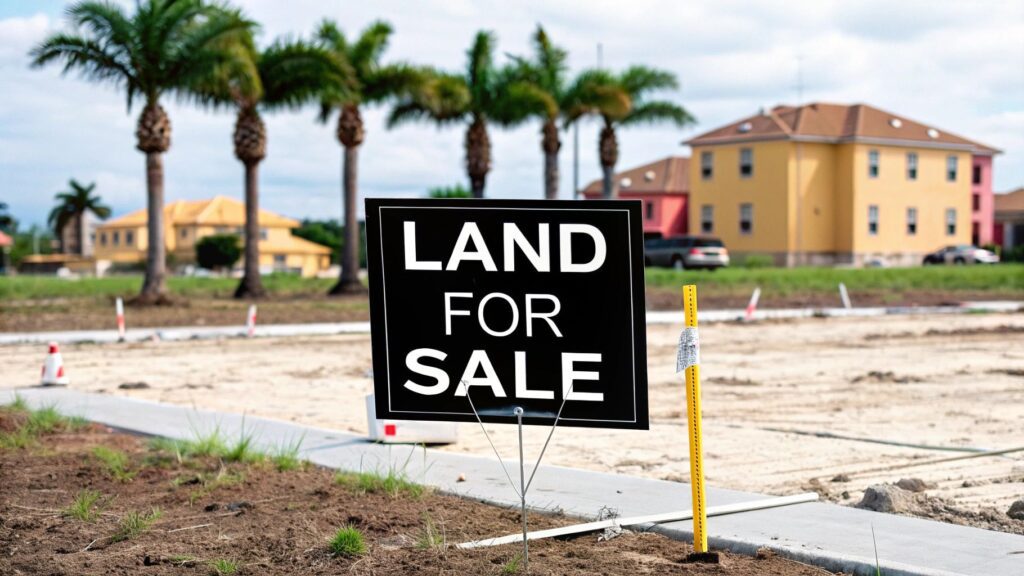
Finding land for sale in Lee County is about much more than just buying a piece of property. It's about securing the foundation for your future custom home in one of Florida's most dynamic building environments. I’ve seen it time and time again: the key to a smart investment isn't just about the "dirt" itself, but understanding its potential to become a custom-built home perfectly suited to the modern Southwest Florida lifestyle, complete with the latest design features and hurricane-resilient engineering.
Finding Your Plot in a Dynamic Market

The market for land here in Lee County is buzzing. It’s fueled by a steady demand for new, resilient, and thoughtfully designed custom homes. Before you get lost in floor plans and paint colors, the very first step—and the most important one—is finding the right plot of land. This single decision will ripple through your entire project, influencing everything from your home's elevation and hurricane insurance rates to the final construction budget and design possibilities.
Recent news and market shifts have created openings for buyers who know what to look for. For example, recent changes in Florida's building codes and insurance landscape have put a new emphasis on lot selection. Buyers are no longer just looking for a good location; they are actively seeking lots with higher elevation to mitigate flood risk and reduce insurance costs—a trend that directly affects land value.
Why Custom Home Building Thrives Here
The pull of Lee County goes way beyond the sunshine; it’s about the specific lifestyle that only a custom home can deliver. New builder trends are really shaping what people are looking for in a lot these days, with a heavy focus on resilience and modern amenities.
I'm seeing a few key features become non-negotiable for my clients:
- Expansive Outdoor Living: People move to Florida to be outside. They want large lanais, full outdoor kitchens, and custom pools. This means you need a lot with enough room to build these features without feeling like you're on top of your neighbors. This new design trend requires careful site planning from day one.
- Resilient Construction & Elevation: After recent storms, there's a massive focus on building stronger, safer homes. It all starts with the land—selecting a lot at a higher elevation and situated away from the most vulnerable flood zones is now a top priority for any new construction project in Southwest Florida.
- Energy Independence with Generators: The demand for whole-home generators has gone through the roof. During a storm, a generator is a critical feature. When you're looking at a piece of land, you have to think about the logistics of a generator installation, including placement to meet code and fuel source. It’s just part of the modern building process.
This shift toward quality and resilience isn't just a trend; it's a direct, practical response to the realities of living and building in Southwest Florida. It’s about building smarter, not just bigger.
Securing the right lot is the most critical step in the custom home journey. The land's location, elevation, and size dictate not only your home's design possibilities but also its long-term safety, insurability, and value.
Where to Look for Land in Lee County
Before you start your search, it helps to have a quick reference for the key factors you'll be juggling. This guide breaks down what's most important when you're evaluating a potential lot for your dream custom home.
Lee County Land Buyer's Quick Guide
| Consideration | Why It Matters for Your Custom Home Build |
|---|---|
| Zoning & Deed Restrictions | Determines if you can build a single-family home and what new design features or architectural styles are permitted. |
| Flood Zone & Elevation | Directly impacts your foundation requirements, construction costs, and mandatory flood insurance premiums. Higher elevation is key. |
| Utility Access | Confirms whether you have city water/sewer or will need to budget for a well and septic system, plus power for a generator. |
| Lot Size & Shape | Affects your home’s footprint, driveway placement, and ability to add a pool or outdoor kitchen, a major builder trend. |
| Environmental Surveys | Identifies protected species (like gopher tortoises) that could delay or alter your building plans and timeline. |
| Soil Conditions | Determines the type of foundation needed and can reveal if costly fill dirt is required to achieve proper elevation for hurricane safety. |
Think of this table as your initial checklist. As you explore different areas, you'll start to see how each of these factors plays out in the real world.
Promising areas pop up all across the county, each with its own unique vibe. Waterfront lots in Cape Coral are a dream for boaters. Meanwhile, growing neighborhoods in Fort Myers and Lehigh Acres often provide more space for your money. Understanding the nuances of the land market is crucial, and it can be helpful to see how real estate agents sell vacant lots to get a feel for the process from their perspective. This isn't about just browsing listings; it's about a targeted search based on a clear vision for your future custom home.
Decoding Zoning, Elevation, and Utilities

Once you've zeroed in on a promising piece of land, the real work begins. Finding a lot for sale in Lee County is one thing, but making sure you can actually build your dream custom home on it is another. This is where the critical due diligence phase kicks in, focusing on zoning, elevation, and utilities—all of which are affected by news and regulations in Florida.
Getting this part right can save you from some seriously expensive headaches down the road.
First things first, you need to know exactly what the county will let you build. Lee County’s zoning regulations are specific and non-negotiable. They dictate everything from the type of home you can build (like single-family vs. multi-family) to setback requirements—the mandatory distance your home must be from the property lines. These rules will directly shape your architectural plans and any new design features you hope to include.
Understanding Elevation and Flood Zones
In Southwest Florida, elevation is everything. It's not an exaggeration to say that a few feet of height can make a world of difference, impacting your safety during a hurricane, your construction costs, and your annual insurance premiums.
FEMA categorizes properties into different flood zones, and it's essential to know where your lot stands:
- Zone X: This is the sweet spot. Considered a low-risk area, flood insurance usually isn't required by lenders, though it's always a good idea. These lots are highly sought after in the custom home industry.
- Zone AE: A moderate-to-high-risk flood zone. To build here, your home's finished floor must be elevated to or above the Base Flood Elevation (BFE) set by FEMA. This often requires bringing in fill dirt.
- Zone VE: This is the highest-risk coastal zone, directly exposed to storm surge and wave action. Building standards are incredibly strict, incorporating significant hurricane impact features, and construction costs are much higher.
This is where an elevation certificate becomes your most valuable document. Prepared by a licensed surveyor, it officially confirms your property's elevation, which is critical for permits and flood insurance. Simply put, higher elevation means lower risk, lower insurance costs, and a more resilient home.
Don't underestimate the power of an elevation certificate. It's not just a piece of paper; it’s a financial tool that can save you thousands annually on flood insurance and is a fundamental part of the custom home building process in Florida.
Verifying Utility Connections
Next on the checklist: utilities. You need to verify whether the lot is already hooked up to city water and sewer. If it's not, you’ll be looking at installing a private well and septic system, which can easily add $15,000 to $30,000 or more to your total budget.
The same goes for electricity and gas lines for your generator. Is power readily available at the street, or will you have to pay the utility company to run new lines to your property? Sometimes a lot that looks perfect on the surface lacks the practical infrastructure to make it buildable without a major investment.
When you're decoding the utility situation, especially if grid access is a challenge, you might also consider exploring off-grid solar solutions for complete energy independence—another growing trend in the custom home industry.
This in-depth research is a cornerstone of the entire home-building journey. You can see how these crucial first steps fit into the bigger picture by reviewing the complete custom home building process from start to finish. Asking these tough questions upfront ensures the lot you choose in Lee County is truly ready for your dream custom home.
Designing a Resilient Florida Home
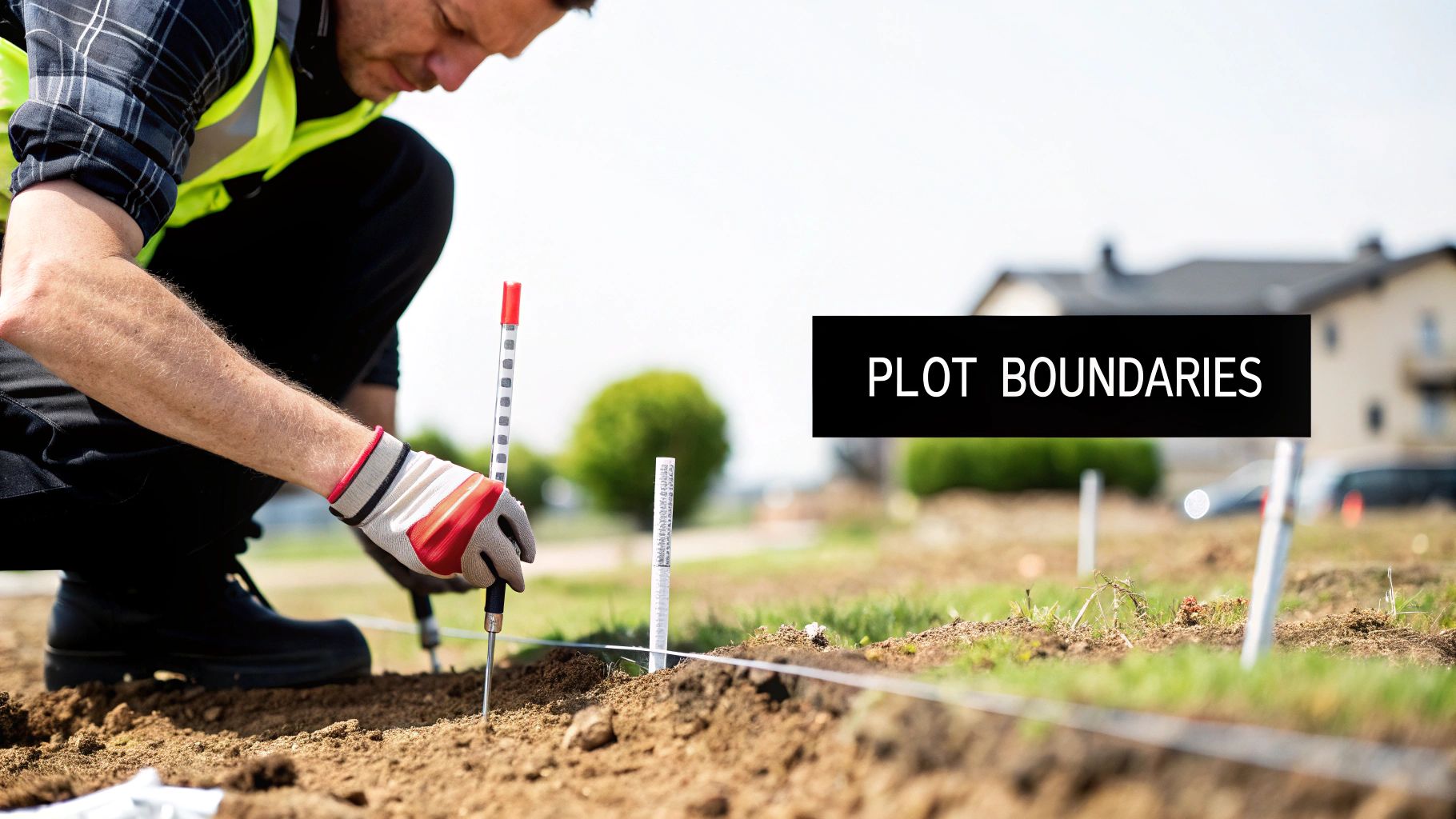
Once you’ve confirmed your lot is buildable, the real fun starts—designing the custom home that will sit on it. Designing a home in Lee County today means balancing that laid-back Florida lifestyle with the need for a fortress that can withstand our intense climate. The best new builder trends achieve both beautifully.
You see it in the latest custom designs. Sprawling lanais with fully equipped summer kitchens aren't just a luxury anymore; they're practically standard. Homeowners crave that seamless flow from the living room to the pool deck, a key design feature for their private backyard resort.
But this focus on lifestyle comes with a serious dose of reality. A stunning home is only as good as its ability to stand strong when a storm rolls in. As you're looking at land for sale in Lee County, remember that your home's design needs to be as much about safety and hurricane impact features as it is about style.
Building Beyond the Basic Code
Florida's building codes are some of the toughest in the nation, but a truly resilient home goes well beyond the bare minimum. This is where partnering with a seasoned custom home builder really shows its value. They understand that true strength isn't about one single feature, but an entire system working in harmony.
Think of it like building a suit of armor for your home. These are the non-negotiable hurricane impact features:
- Impact-Rated Windows and Doors: These are engineered to handle high-velocity winds and flying debris, protecting the most vulnerable parts of your home and preventing catastrophic pressure changes that can destroy a house from the inside out.
- Reinforced Garage Doors: Your garage door is a massive opening and a common failure point in a hurricane. Upgrading to a reinforced, wind-rated model is a critical investment in your home's structural integrity.
- Hip Roof Design: While other roof styles are possible, a hip roof with its four-sided slope is far more aerodynamic. It’s naturally better at resisting the powerful uplift forces of hurricane winds, a key design feature for storm-prone areas.
- Advanced Framing and Connections: This is the skeleton of your home. Using stronger hurricane straps and clips to lock the roof to the walls—and the walls to the foundation—creates a continuous "load path" that holds the structure together under incredible stress.
In Southwest Florida, real peace of mind comes from knowing your home wasn't just built to code—it was built to a higher standard of resilience. It's about smart engineering that plans for the storm before it ever forms.
The Growing Need for Power Security
One of the biggest shifts I’ve seen in the custom home industry is making a whole-home generator a standard feature. After seeing lengthy power outages following major storms, people have made energy independence a top priority. A permanently installed generator isn't just a nice-to-have item; it's a lifeline during a storm.
It’s what keeps your A/C running, your food from spoiling, and essential medical equipment online. Having that power provides safety and a sense of normalcy during a stressful recovery period.
When you plan for a generator from the very beginning of the design phase, you ensure it’s perfectly integrated with your home’s electrical system and placed correctly on your lot to meet all local codes. It's a key feature that adds enormous practical value and makes any custom home in this region that much more desirable.
Choosing Your Custom Home Builder
You’ve found the perfect piece of land and designed a resilient home. Now comes what might be the single most important decision of your entire project: choosing the right builder to bring it to life. This isn't just about comparing quotes. It's about finding a true partner who can translate your vision into a durable, beautiful reality in Lee County.
A great builder is your advocate. They guide you through Lee County’s complex permitting maze and constantly shifting building codes. They understand the local nuances—from specific flood elevation requirements to the latest construction news affecting Southwest Florida. This local expertise is non-negotiable.
The builder you select will have a hand in every part of your new home, especially its ability to stand up to Florida’s weather. A quality builder doesn’t just meet the minimum code; they over-engineer solutions. They’ll seamlessly tie in hurricane-impact features and integrate a whole-home generator, which has quickly become a necessity in our storm-prone area.
Vetting Your Potential Building Partner
Your vetting process needs to be thorough. Start by taking a deep dive into a builder's portfolio. Don't just admire the glossy finished photos; ask them about the real challenges behind those projects. How did they incorporate new design features? How much fill did they have to bring in to meet elevation rules on a recent build?
Before you even think about signing a contract, you need answers to these critical questions:
- How do you stay current with new builder trends and Florida building code changes? A proactive builder will be ahead of the curve on regulations and innovations.
- Who are your go-to suppliers for hurricane impact features? You want to know who they trust for critical materials like impact windows, roofing, and generators.
- How often will you or a project manager be on-site? Look for a builder who is present and hands-on, ensuring quality control throughout the build.
This is where you get a real feel for a builder’s commitment to quality. Their answers should give you confidence that they can deliver a home that’s not just stunning, but structurally solid. For a closer look at what separates the best from the rest, it’s worth reviewing the standards of dedicated Lee County home builders.
A builder's true worth shines when things go wrong. Ask for a specific example of how they navigated a challenge like a code change mid-project or a supply delay for a specific hurricane-rated product. Their answer tells you everything.
Understanding The Market Context
The current real estate climate also plays a role in your choice. News about rising insurance costs and stricter building requirements in Florida directly impacts the custom home industry. Builders who are plugged into these market dynamics are invaluable.
They know which neighborhoods are commanding top dollar and understand the specific features—like higher elevation, advanced hurricane protection, or integrated smart home tech—that are driving property values. This insight is crucial for protecting your long-term investment.
Ultimately, building a strong, open relationship with your builder from day one is the key to ensuring your vision, budget, and timeline all stay perfectly aligned.
Financing Your Land and Construction
So, you've decided to build a custom home. Fantastic! Now comes the part that can feel a bit daunting: figuring out the financing. Getting a loan for a vacant lot and new construction isn't quite the same as getting a standard mortgage for an existing house. Lenders tend to view these loans as higher risk, which means their requirements are usually a bit stricter. But don't let that intimidate you. With the right information, you can walk into the process with total confidence.
Your first move is to get familiar with the loan options on the table. It's really helpful to understand how land loans work, as they're a different animal than traditional mortgages. Generally, you'll run into two main paths: getting a lot loan just to buy the land and then a separate construction loan, or—my personal recommendation for simplicity—a construction-to-permanent loan that bundles everything into a single, clean transaction.
What Lenders Look For
When you apply, lenders are going to put your application under a microscope. They’ll zero in on your credit score, your debt-to-income ratio, and whether you have a solid down payment. For raw land, be prepared for them to ask for 20-25% or more.
But it’s not just about the numbers. They want to see a solid, detailed plan. This means having a contract with a reputable builder who truly gets the ins and outs of building in Southwest Florida—things like designing for higher elevations and knowing which hurricane-impact features are non-negotiable. When your plan shows you've thought everything through, including modern trends like whole-home generators, it signals to the bank that you're making a smart, resilient investment.
This visual guide breaks down the key phases of getting your financing squared away.
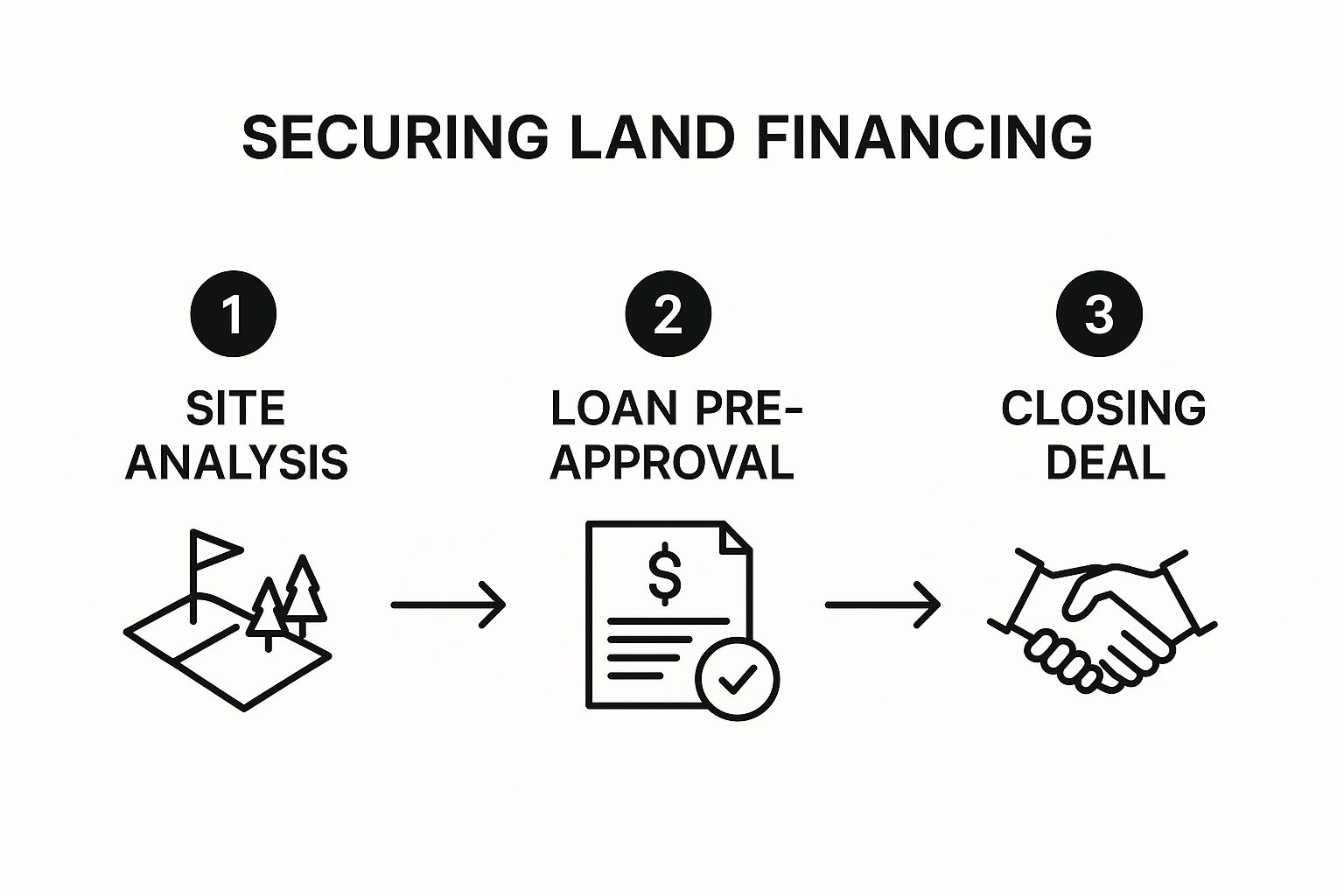

As you can see, a deep dive into the site specifics is the crucial first step, even before you think about approaching a lender for pre-approval.
Having your financing ready to go is more important than ever, especially in this market. Lee County is a hot spot, and news of its popularity means buyers who are prepared and have their financing in a row have a serious competitive edge when a prime lot becomes available.
Lenders in Florida are incredibly savvy about what it really costs to build a home that can stand up to the elements. Your loan application becomes much stronger when it includes a comprehensive budget accounting for hurricane-impact windows, a reinforced roof structure, and proper site elevation. At the end of the day, these features protect their investment just as much as they protect yours.
Navigating the Land Closing Process
Once your financing is approved and the contract is signed, you're on to the closing table. This is the legal finish line where ownership of the land officially becomes yours. It's more than just a bunch of signatures; it involves several critical steps to safeguard your investment.
Here are the key parts of any closing:
- Title Search: An exhaustive check of public records to make sure the seller is the legal owner and that there are no hidden liens or claims on the property. This is non-negotiable.
- Land Survey: A surveyor will come out to precisely map your property's boundaries, identify any easements, and confirm the lot’s exact size and elevation. This is essential for your custom home design.
- Closing Documents: You'll sign a stack of legal papers. The most important ones are the deed, which officially transfers ownership to you, and the mortgage documents if you're financing the purchase.
This entire financial and legal runway is a core part of the custom home journey. To see how financing fits into the bigger picture, check out our complete guide on how to build a custom home.
Common Questions About Building in Lee County
When you start digging into land for sale in Lee County, a lot of great questions pop up that go way beyond the initial search. Getting clear answers is the key to setting realistic expectations for your custom home journey, especially since building codes and new design features are always evolving.
Let's dive into some of the questions we hear most often.
What Is a Realistic Timeline for a New Build?
From the day you find your perfect piece of land to the moment you get the keys, you should plan for a 12 to 18-month timeframe. Of course, this can shift.
Things like highly custom designs, the local permitting process, and supply chain news for materials like hurricane impact windows or specific generator models can all affect the schedule. Having a builder who is on-site and actively managing the project is the best way to keep everything moving forward in the ever-changing Southwest Florida construction landscape.
Do I Really Need a Soil Test?
Yes, absolutely. A soil test isn’t just a good idea; it’s a non-negotiable part of the custom home industry. The results tell us exactly what kind of foundation your home needs, which is the literal bedrock of its structural integrity.
If the soil is poor, you might be looking at bringing in expensive fill dirt to raise the lot's elevation for storm safety or engineering a more complex foundation. Both of these directly impact your budget. It's a critical step to take before you finalize your building plans.
Think of a soil test as your home's first physical exam. It uncovers hidden conditions you can't see from the surface and guarantees your home is built on a solid, stable foundation that will last for decades.
Septic vs. Sewer: What’s the Difference for My Build?
A surprising number of lots, particularly in the more rural pockets of Lee County, aren't connected to a city sewer system. This means your property will need a septic system, which is a self-contained system that treats wastewater right on your lot.
The big difference comes down to cost and maintenance. Installing a new septic system is a significant upfront expense and requires periodic upkeep. A lot with sewer access is simpler, but you must confirm connection availability and any associated fees before you purchase.
It's also worth noting that building regulations can vary quite a bit between municipalities like Fort Myers, Cape Coral, and Bonita Springs. Each city has its own set of rules for everything from elevation requirements and lot setbacks to integrating features like whole-home generators. An experienced local builder is your best guide for navigating these local differences smoothly.
Building a custom home is a huge investment in your family's future. At Sinclair Custom Homes Inc, Matthew Sinclair brings honesty, integrity, and hands-on experience to every single job site. He ensures your vision is built to last with over-engineered quality you can trust, incorporating the latest builder trends and hurricane-resilient design features.
Ready to start your custom home journey in Lee County? Contact us today.