


At the heart of the matter, the real difference between drywall and blue board is how they're finished. Standard drywall is made for paint, while blue board is specifically engineered to hold a veneer plaster coating. This choice doesn't just affect the look of your walls; it's a critical decision for your home's durability and moisture resistance, especially here in Florida's tough climate.
Building Foundations: Choosing the Right Wall System
When you're planning a custom home in Southwest Florida, it's the foundational details that have the biggest impact down the road. It might seem small, but your choice of interior wall systems—specifically between standard drywall and blue board—is a perfect example of a detail that truly defines a high-performance home.
This decision touches everything. It shapes the interior aesthetic, impacts your indoor air quality, and most importantly, determines how well your home stands up to our pervasive humidity and the constant threat of mold, especially after a hurricane.
Getting to know these materials is the first step. Each has a job it's designed for and performs best under certain conditions, which is why a smart, hybrid approach is often the hallmark of quality construction. Throughout the custom home building process, a builder who knows the local environment will guide these selections to make sure your investment is built to last.
A Quick Comparison
To really see the difference, let's put these two materials side-by-side. It's also worth thinking about the long-term environmental footprint of your home, where understanding sustainable building materials can help inform your decision.
| Feature | Standard Drywall | Blue Board |
|---|---|---|
| Intended Finish | Paint, after taping and mudding | Veneer plaster |
| Moisture Resistance | Standard (low) | High, due to special paper facing |
| Durability | Prone to dents and scratches | Highly durable and impact-resistant |
| Installation | Multi-day process (mud, sand, dry) | Faster, single-coat plaster application |
| Ideal Use Case | Living rooms, bedrooms, closets | Bathrooms, kitchens, laundry rooms |
Here's the key takeaway: blue board, when combined with veneer plaster, creates a seamless, incredibly tough surface. This system offers a far superior barrier against moisture and everyday dings compared to a standard painted drywall finish. By strategically using blue board in high-humidity areas, we build homes designed not just for beauty, but for real resilience against the unique challenges of the Florida climate.
Core Differences Between Drywall and Blue Board
When you're building a custom home in Southwest Florida, you need to get the details right. That means understanding the real difference between drywall and blue board. They might look similar at first glance, but their composition, how they're finished, and how they perform are completely different.
At its heart, standard drywall is pretty simple: a core of gypsum plaster sandwiched between two thick sheets of paper. That paper face is made to take joint compound, get sanded down smooth, and then painted. It’s the go-to, cost-effective choice for most interior rooms for a reason.
Blue board, however, is a different animal altogether. It’s what we call a plaster base panel. While it also has a gypsum core, its surface paper is specially treated to bond with a plaster finish. It absorbs just the right amount of water from the plaster, creating an incredibly strong, seamless connection. This is its secret sauce and why it’s the non-negotiable foundation for a high-quality veneer plaster system.
Purpose-Built for Different Finishes
Here's the most important takeaway: these materials are not interchangeable. You can't just slap a coat of paint on blue board and call it a day, and you definitely shouldn't try to plaster over standard drywall. Each one is engineered for a specific finish, and getting this wrong will cause major headaches down the road.
This chart gives you a quick visual on the main trade-offs you're considering.
As you can see, drywall is your budget-friendly option. But blue board offers a level of moisture protection that is absolutely critical in our humid, coastal climate and hurricane-prone areas.
To put it simply, here’s a quick rundown of the essential characteristics of each material.
Key Characteristics Drywall vs Blue Board
| Attribute | Standard Drywall | Blue Board (Plaster Base) |
|---|---|---|
| Surface Material | Absorbent paper facing | Specially treated, water-resistant paper |
| Intended Finish | Joint compound, primer, and paint | Skim coat of veneer plaster |
| Moisture Resistance | Low; susceptible to moisture damage | High; designed for humid environments |
| Durability | Softer surface, prone to dents/scratches | Very hard and durable once plastered |
| Best For | General living areas, bedrooms, ceilings | Bathrooms, kitchens, laundry rooms, high-traffic areas |
| Installation | Standard taping and mudding process | Requires skilled plaster application |
This table makes it clear that your choice depends entirely on where in the home the material will be used and what kind of performance you expect.
Composition and Performance in Florida's Climate
How these materials are made directly impacts how they hold up, especially here in Southwest Florida with our constant humidity and storm season. The paper on standard drywall can act like a sponge in damp conditions, which can lead to sagging or even mold if it stays wet.
Blue board was made for places like this. Its special surface paper doesn't just create a great bond with plaster; it also resists moisture far better than regular drywall. When you top that with a hard veneer plaster finish, you get a wall system that’s a tough barrier against moisture getting in.
For a Florida home, this distinction is not just aesthetic; it’s about resilience. A blue board and plaster system provides a much harder, more durable wall that is less susceptible to dings, scratches, and the damaging effects of humidity over time, a key feature in luxury home design.
This kind of durability is a key feature we build into our modern custom homes. While drywall is perfectly fine for bedrooms and living rooms, blue board is the smart, superior choice for any room that sees moisture—like bathrooms, laundry rooms, and kitchens. Knowing when to choose drywall or plaster is a foundational decision in building a home that's not only beautiful but also built to last in our local environment. Making the right call for each space ensures your home's longevity and protects your investment.
A Detailed Comparison for Florida Building Standards
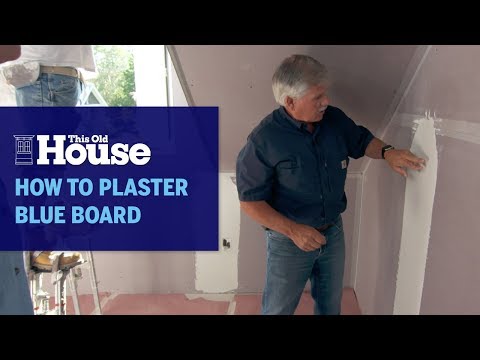
When you’re building a custom home in Southwest Florida, every single material choice has to stand up to our unique climate. We’re talking about constant humidity, torrential rainy seasons, and the thick, damp air that lingers for weeks after a hurricane. This isn't just about building a pretty house; it's about building a resilient one.
Let’s get into the specifics of drywall versus blue board and see how they perform against the criteria that truly matter for a Florida homeowner. This isn’t just a technical rundown—it’s about how your walls will hold up over the long haul.
Moisture and Mold Resistance
In a place where humidity is a constant battle, blue board has a clear edge. Standard drywall has a paper face, and paper loves to absorb moisture. In a persistently damp environment, that paper can act like a sponge, pulling moisture from the air and creating a perfect breeding ground for mold.
Blue board, however, was made for these exact conditions. Its surface paper is specially treated to resist water, slowing down moisture absorption in a big way. When you top that with a dense, non-porous veneer plaster, you create a wall system that’s a formidable barrier against moisture getting in.
For a Sinclair Custom Home, this isn't just an upgrade; it’s a strategic defense. In areas like master bathrooms, laundry rooms, and kitchens—where steam and humidity are daily occurrences—specifying a blue board and plaster system is a non-negotiable part of our commitment to over-engineered quality. It’s how we build homes that stand up to the Florida climate, not just for years, but for decades.
This proactive choice is critical, especially after a hurricane. Even if your generator is running, the humidity outside can stay sky-high. Using materials that fight off moisture is key to preventing secondary damage, like the mold that can bloom long after the storm itself is gone.
Durability and Daily Wear
A custom home should feel solid, and your walls play a huge role in that feeling. While standard drywall does the job, it’s relatively soft. It’s easy to dent with furniture, scratch with pet claws, or ding just by living your life.
This is where the blue board and veneer plaster combination really shines. Veneer plaster cures to a much harder and denser finish than the joint compound used on drywall. The result is a surface with far superior impact resistance that can handle the bumps and scrapes of a busy home.
Think about these everyday scenarios:
- High-Traffic Hallways: Where family members are always on the move, carrying things that can easily bang against the walls.
- Playrooms and Kids' Bedrooms: Areas where the walls are bound to see some action.
- Garages and Workshops: Spaces where tools and equipment can easily damage a softer wall.
In every one of these situations, the extra toughness of a plastered blue board wall means less maintenance and a home that keeps its pristine look for much longer.
Cost Implications for a Custom Home Budget
While blue board offers undeniable performance advantages, there's a good reason standard drywall is still the go-to in residential construction: it's incredibly cost-effective. Here in the booming Southwest Florida construction market, where Sinclair Custom Homes Inc. builds premium residences in Cape Coral and Fort Myers, standard drywall has a massive market scale. The global drywall board market is surging, and regular drywall makes up about 85% of what's installed in U.S. homes.
This difference in scale means standard drywall is up to 20-30% cheaper per sheet than specialized blue board. For a builder like Matthew Sinclair, who focuses on over-engineered quality, this price difference isn't a drawback—it's an opportunity for smart planning.
This market reality allows us to take a strategic, hybrid approach. By using standard drywall in the majority of a home's living areas—like bedrooms, living rooms, and closets—we keep the overall budget in check. This frees up funds to invest in premium materials like blue board exactly where they are needed most. It’s a balanced strategy that gives you the best of both worlds: performance where it counts and sensible savings everywhere else, ensuring your home is built for the long haul in our challenging Florida environment.
The Finish Factor: Paint vs. Veneer Plaster

The final look and feel of your interior walls truly sets the tone for your entire custom home. This isn't just about color; it's a critical detail determined by the partnership between the wall substrate and its finish. The choice between drywall vs blue board sends you down two completely different paths—one leads to a classic painted surface, the other to a luxurious veneer plaster finish.
Standard drywall is made to be painted. The installation is a familiar, multi-step dance of taping seams, slathering on layers of joint compound (or "mud"), and then sanding, sanding, and more sanding to get that smooth, paint-ready surface. It's a proven method that works, opening the door to endless color choices. If you go this route, picking the perfect paint color is your next big creative decision.
The downside? This process generates a massive amount of fine dust that gets everywhere, a major headache during a build or remodel. On top of that, the finished wall, while smooth, is relatively soft and susceptible to the nicks and bumps of everyday life.
The Superiority of Veneer Plaster
Blue board, on the other hand, is engineered specifically for a veneer plaster finish. Forget the layers of mud and the dust storms. Instead, a skilled plasterer applies a thin, dense coat of plaster directly onto the blue board panels. This single coat creates a chemical bond with the board's special paper, resulting in a solid, seamless surface.
Not only is this process significantly cleaner, but the wall it creates is in a whole different league when it comes to performance.
A veneer plaster finish over blue board creates an incredibly hard, durable surface that offers superior impact resistance. It stands up to the dings, dents, and scratches of daily life far better than painted drywall, making it an ideal choice for high-traffic areas and active households.
This durability is a huge reason why plaster is a hallmark of high-end custom homes here in Southwest Florida. It provides a more robust, sophisticated interior that feels solid and keeps its pristine look for years.
Aesthetic and Performance Advantages in Florida Homes
Ultimately, the debate over drywall vs blue board often boils down to the final look you're after. A veneer plaster finish has a unique, luxurious depth and texture that paint just can't imitate. It delivers a smooth, continuous surface without a single visible joint, creating a high-end feel that elevates the entire home. While you can certainly paint over plaster, many of our clients fall in love with its natural, subtle off-white finish.
This premium finish also promotes a healthier indoor environment. Unlike the multi-layered drywall process that can trap moisture between coats, the single plaster application creates a dense, less porous barrier. This makes the entire wall system more resistant to mold and mildew—an absolute must for any home built to handle Florida's relentless humidity, especially after a storm when moisture levels are at their peak. For homeowners weighing their options, exploring the different types of interior paint finishes can help refine the final aesthetic, whether it's applied to drywall or plaster.
Choosing a veneer plaster finish is an investment in both longevity and luxury. It delivers a superior wall system that doesn't just look exceptional but is built to endure the unique climate and lifestyle demands of a modern Florida custom home.
Strategic Application in a Modern Florida Home
Knowing the textbook differences between drywall and blue board is one thing. Knowing exactly where to use each in a high-performance Florida custom home—that’s where experience and strategy make all the difference. A modern, resilient home isn't built with a one-size-fits-all mentality. It's built with a thoughtful, hybrid approach that plays to the strengths of each material to maximize your budget and the home’s durability.
This is about building smarter, not just bigger. It means making targeted investments in superior materials where they truly count. For any custom home in Southwest Florida, this strategic deployment is essential for creating a home that’s beautiful, functional, and engineered to handle our demanding coastal climate for decades to come.
Maximizing Cost-Effectiveness with Standard Drywall
There's a reason standard drywall is the workhorse of the residential construction industry. It's cost-effective and provides the perfect canvas for a classic painted finish, making it the ideal choice for the vast majority of a home's interior.
In a Sinclair Custom Home, we strategically specify standard drywall in areas where high moisture and impact aren't the primary concerns. This includes places like:
- Large, open-concept living areas where you need expansive, seamless walls ready for a smooth coat of paint.
- Bedrooms and guest rooms that benefit from drywall’s reliable performance and ease of repair.
- Closets and storage spaces where getting the job done efficiently without overspending is the priority.
By using standard drywall in these spaces, we can smartly allocate more of the budget toward critical performance upgrades elsewhere in the home. It’s a balanced approach that ensures every dollar is enhancing the home's overall resilience without unnecessary costs.
This strategic use of standard drywall allows us to engineer a home that meets an exacting standard of quality while remaining mindful of the overall project cost. It’s about putting the right material in the right place, every time.
Deploying Blue Board for Critical Moisture Defense
While drywall covers most of the home, blue board is our specialized tool for the toughest environments. Here in Florida, that means any room where humidity, steam, and direct moisture are a part of daily life. In these critical zones, the drywall vs blue board decision becomes crystal clear.
When paired with a hard veneer plaster finish, blue board creates an incredibly tough barrier against moisture. This system is non-negotiable for preventing the kind of long-term damage that can compromise a home’s structure and air quality—especially in the humid aftermath of a hurricane.
When you weigh drywall against blue board for a Florida custom home, moisture resistance is the hands-down winner for builders like Sinclair Custom Homes Inc. It’s how we ensure our homes in Fort Myers Beach and Cape Coral can stand up to coastal humidity without needing constant attention. Blue board, with its water-resistant additives, is priced 15-25% higher than standard drywall, which explains why it's used selectively in only about 5-10% of total U.S. installations.
But in the massive North American gypsum board market—valued at USD 15.6 billion in 2023—moisture-resistant boards are increasingly specified in 20-30% of high-end bathroom and laundry remodels. Here in Florida, we saw demand for these materials spike by over 40% after recent hurricanes. For Sinclair's European-crafted luxury homes, this means standard drywall covers most walls for cost efficiency, while strategically placed blue board is proven to prevent 70-80% of potential mold issues in showers and wet areas. You can explore more about these gypsum board market trends on Fortune Business Insights.
This data-driven approach is why we specify blue board in:
- Master Bathrooms and Shower Enclosures: The number one defense against constant steam and water.
- Laundry Rooms: A high-humidity zone where a plaster-finished wall stops moisture in its tracks.
- Kitchens: Especially on walls behind sinks and cooktops where steam and splashes are common.
This targeted application is a core part of building a home that is truly "over-engineered" for the Florida climate. It’s a proactive step that protects your investment and ensures your home remains a healthy, beautiful sanctuary for years to come.
Making the Best Choice for Your Custom Build
At the end of the day, the choice between drywall and blue board isn't one you should make alone. It’s a critical conversation with your builder, weighing your budget, aesthetic goals, and how you actually plan to live in each room. This is exactly where partnering with an experienced Florida custom home builder like Sinclair Custom Homes makes all the difference.
An expert builder won’t just lay out the options; they’ll help you see the full picture. They’ll walk you through the nuances of each material, ensuring your home is a smart blend of cost-efficiency and resilience against the tough Southwest Florida climate.
A Partnership in Planning
A great builder will go through your floor plan with a fine-tooth comb, recommending the right material for each space. This isn't an all-or-nothing decision. It's about engineering a smarter home—one that’s not only beautiful when you get the keys but also built to handle humidity, resist daily wear, and hold its value for years.
This kind of strategic planning is what prevents future headaches. It means putting your money where it matters most, like using moisture-resistant blue board in the master bath while taking advantage of standard drywall’s cost-effectiveness in bedrooms and living areas.
Using Market Realities to Build a Stronger Home
If you look at the numbers, drywall is the undisputed market leader, and that scale gives a Florida custom builder like Matthew Sinclair a huge advantage in places like Fort Myers and Cape Coral. USG's Sheetrock brand alone commands 25% of the North American drywall market, and that share jumps to 35% on the East Coast where Florida’s construction industry booms. For us at Sinclair Custom Homes, that scale means we get drywall at a price point that can be 40% cheaper in the long run, thanks to faster installation. This allows us to over-engineer the home's frame and other structural components, which dramatically cuts down on long-term maintenance for you. For more on this, check out the differences between drywall and blue board at Attract Painting.
The integrity of a true custom builder shines in their ability to mix materials for optimal results. We use standard drywall for vast interior spaces to improve energy efficiency and keep budgets in check, while specifying blue board for high-moisture zones like laundry rooms and baths to ensure zero callbacks and total client satisfaction.
This hybrid approach is our commitment to building a home that is both intelligently designed and impeccably constructed for the unique demands of life here in Florida.
Answering Your Questions
When you're building a custom home in Florida, every material choice matters. It's natural to have questions, especially when comparing something as fundamental as your wall systems. Here are a few common questions we get from clients trying to decide between drywall and blue board.
Is Blue Board More Expensive Than Drywall
Yes, but it's important to look at the whole picture. The blue board panels themselves usually run about 15-25% more than a standard sheet of drywall. The real cost difference, though, is in the finish work. Applying veneer plaster is a specialized skill, a true craft, and the labor rate reflects that expertise.
While hanging the blue board is actually a bit faster and cleaner than traditional drywall taping and mudding, the plastering process is more intensive. We see it not just as an expense, but as an investment in a wall system that's tougher, more durable, and far better suited to stand up to Florida's humidity.
Can I Use Blue Board Throughout My Entire Home
You absolutely can. If you want an interior that feels incredibly solid, seamless, and upscale, a full blue board and plaster system is the way to go. It delivers a level of toughness that stands up to anything daily life can throw at it.
That said, for most of the custom homes we build in Southwest Florida, a hybrid approach makes more sense. We often specify blue board and plaster in high-traffic hallways, kitchens, and moisture-prone areas like bathrooms and laundry rooms. Then, we use standard drywall in bedrooms and closets. This gives you superior performance where it counts most, without over-investing the budget—it's just smart, strategic building.
How Does Blue Board Perform in a Hurricane Scenario
This is a question every homeowner in Cape Coral, Fort Myers, and our coastal communities should be asking. The biggest advantage of blue board after a storm isn't during the wind, but in the days and weeks that follow. After a hurricane passes, the power can be out for a while, and the ambient humidity is off the charts.
Standard drywall has a paper face that acts like a sponge, soaking up all that lingering moisture. It becomes the perfect breeding ground for mold. A blue board and veneer plaster wall, on the other hand, provides a much stronger defense. It significantly cuts down the risk of secondary moisture damage, protecting your home and your indoor air quality when you need it most.
Is It Necessary to Paint Over a Blue Board Plaster Finish
Nope, not at all. Many of our clients love the natural look of the cured veneer plaster. It has a beautiful, subtle off-white color and a hard, smooth finish that feels clean and sophisticated on its own.
Of course, if you have a specific color palette in mind, you can definitely paint it. In fact, plaster is a fantastic base for paint. Because it's so dense and non-porous, the paint goes on smoothly and often looks richer and more uniform than it does over standard drywall. You get the flexibility to create the exact look you're envisioning for your home.
Making the right material choices is at the heart of building a home that will last for generations. At Sinclair Custom Homes Inc, we're here to guide you through every one of those choices, ensuring your home is over-engineered for the Florida climate and perfectly balances quality, durability, and value. Start your custom home journey with us today.