


Trying to pin down the exact cost to build a house in Florida is a bit like asking, "How much does a car cost?" The answer really depends on whether you're looking for a reliable daily driver or a high-performance luxury model. Here in Southwest Florida, a quality custom home will typically run you anywhere from $200 to $350+ per square foot, and that's before you even buy the land.
The Real Cost of Building a Custom Home in Florida
A simple statewide average just doesn't cut it for a market as diverse as Florida's. Building a custom home isn't like buying something off the shelf; it's a completely unique project where every single decision, from the soil under your foundation to the shingles on your roof, influences the final price tag.
This is especially true when you're building near the coast. While you might see statewide averages floating around the $300,000 mark or hear about build costs of $150–$225 per sq ft up in North Central Florida, that’s a different world from what we see here. In hotspots like Cape Coral and Fort Myers, you should realistically budget for $200–$350 per sq ft. That premium comes from a few key factors: higher land prices (which can easily top $100,000 per acre) and the absolute necessity of building to stringent hurricane codes. If you're curious about the broader market, this guide on Florida's 2025 building costs offers a good overview of these regional differences.
Navigating the Southwest Florida Market
Here in Southwest Florida, your budget is shaped by a handful of non-negotiable local factors. This is where having a builder who lives and breathes this market becomes invaluable. These aren't just line-item "upgrades"; they are fundamental to building a home that's safe, beautiful, and built to last.
Some of the key cost drivers you'll encounter in our area include:
- Hurricane Impact Features: Our building codes require things like impact-resistant windows and specially reinforced structures. They aren't cheap, but they are absolutely essential for your family's safety.
- Elevation Requirements: Many lots, particularly those with water access, must be built up to meet modern flood elevation standards. It's a critical site preparation step that adds a significant cost before we even pour the foundation.
- New Design Trends: The Florida lifestyle is all about indoor-outdoor living. Expansive lanais with full outdoor kitchens, multi-generational "in-law" suites, and integrated smart home tech are becoming standard requests that naturally shape the budget.
- Storm Preparedness: More and more of our clients are choosing to install whole-home generators. After going through a storm, knowing you'll have power for days is a peace of mind you can't put a price on.
Building a custom home here means investing in resilience and lifestyle. An experienced local builder doesn’t just see these as costs but as crucial components of a home designed to last for generations, providing long-term value that far outweighs the initial expense.
As you weigh your options, it's smart to look at different construction methods, too. While we're focused on traditional, site-built homes in this guide, understanding the cost differences between custom and modular homes in Florida can give you a well-rounded view of what's possible. It's also worth looking into available Florida solar power incentives, which can help offset some of the upfront utility costs and save you money for years to come.
Breaking Down Your Florida Home Building Budget
Trying to nail down the cost to build a house in Florida means looking at the whole picture, not just one big number. It's a lot like building a classic car from the ground up—the engine, chassis, interior, and paint job are all separate costs that create the final masterpiece. Your new home works the same way, with every dollar carefully assigned to a specific part of the build.
This budget puzzle is really made of two main types of pieces: hard costs and soft costs. Hard costs are all the things you can see and touch, like the lumber, concrete, and windows. Soft costs are the services and fees working in the background to make it all happen, like architectural plans and permits. A truly great builder knows how to manage both, making sure every penny counts.
The Foundation of Your Budget: Hard Costs
Hard costs are the real meat and potatoes of your construction budget. They usually make up 75-85% of the total and cover every physical component that goes into your home.
- Land & Site Preparation: This is your very first big step. It’s not just buying the lot in Cape Coral or Fort Myers; you also have to budget for clearing the land, grading it so water drains properly, and often bringing in fill dirt to meet our local flood elevation rules. That last part is absolutely vital in coastal Florida.
- Foundation: Here in Southwest Florida, your home will almost certainly sit on a reinforced concrete slab, engineered specifically for our sandy soil and high water table. A rock-solid foundation isn't a place to cut corners—it’s what guarantees your home's stability for years to come.
- Framing & Structure: This is where your home’s skeleton takes shape. Think of the concrete block or wood framing for the walls, the floor systems, and the heavy-duty trusses that form the backbone of your roof.
- Exterior Finishes: This is the stage where we wrap your home in a protective shell. It includes installing the roofing—often durable tile or metal—along with the stucco or siding. Critically, it also includes hurricane-impact windows and doors, which are non-negotiable for safety and insurance down here.
This chart gives you a quick look at how much building costs can change from one part of Florida to another.
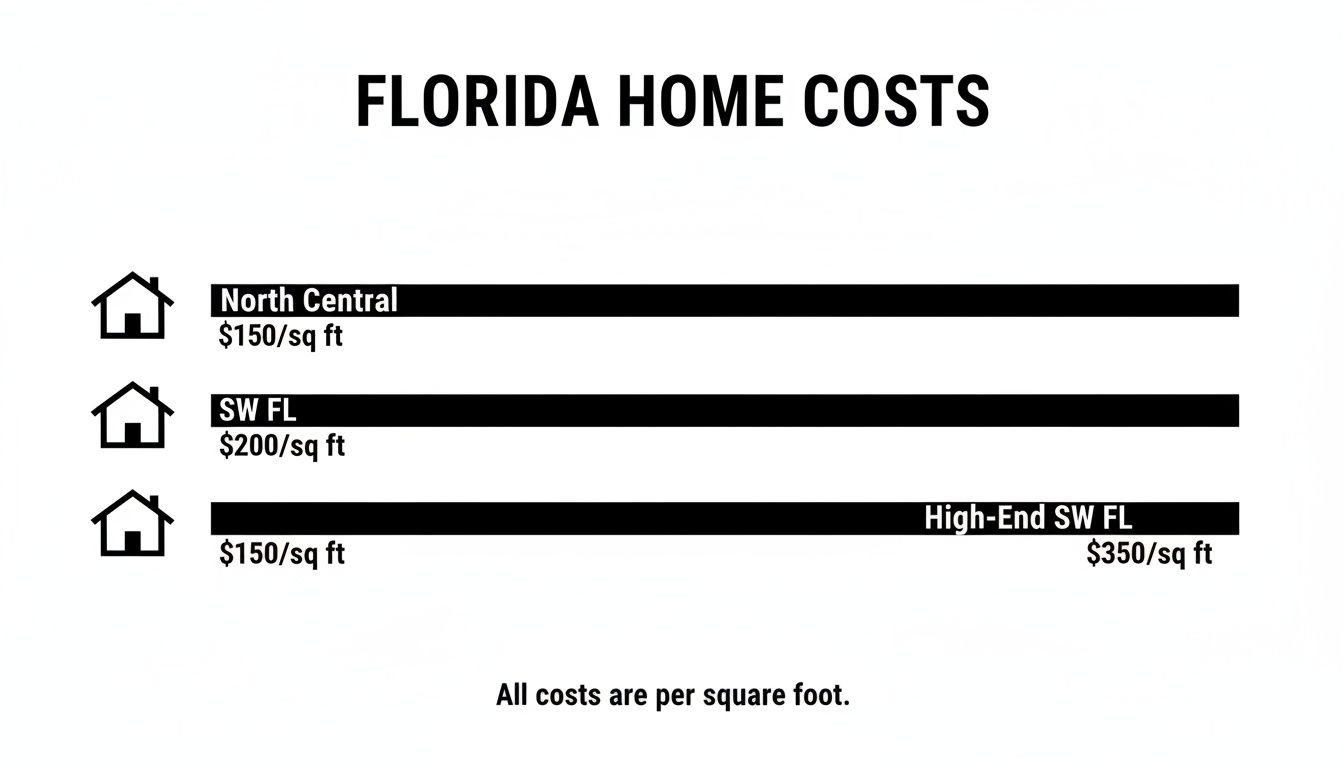

As you can see, Southwest Florida comes in at a higher price point. That’s driven by our coastal location, tougher building codes, and the high-end finishes that buyers expect in a custom home.
Essential Systems and Interior Finishes
With the shell up, it’s time to bring your home to life. This is where we install the critical systems and add the personal touches that truly make it your home.
- Major Systems: This covers the big three: your HVAC (air conditioning is king in Florida!), the complete electrical wiring, and all the plumbing. These systems are your home's circulatory and nervous systems; getting them right is crucial for your comfort and safety.
- Interior Finishes: This is the fun part for most homeowners! It’s everything from drywall and paint to flooring, cabinets, countertops, and appliances. The choices you make here have a huge impact on both the final cost and how you'll feel living in the space every single day.
An experienced builder doesn't see these as just line items on a spreadsheet. We see them as an integrated system. By choosing quality, durable materials for the systems and finishes, we’re building in long-term value and helping you avoid expensive headaches down the road.
The Overlooked Expenses: Soft Costs
Soft costs are the behind-the-scenes expenses that are easy to forget about but are absolutely essential. They typically account for the last 15-25% of your total budget.
- Architectural & Engineering Fees: Before we can even break ground, you need a solid set of blueprints. These plans from architects and engineers ensure your home is designed exactly how you want it, and more importantly, that it's structurally sound.
- Permitting & Inspection Fees: Local governments in Cape Coral and Lee County have strict building codes. The fees you pay for permits cover the cost of having officials review the plans and inspect the work at each stage, confirming everything is built to code.
- Utility Connections: There are also fees involved with getting your new home hooked up to the local water, sewer, and electric grids.
Solid home construction project management is what keeps these soft costs from getting out of control. To stretch your budget even further, it’s worth looking into smart strategies to reduce construction costs that don't compromise on quality.
Here in Southwest Florida, particularly for custom coastal homes in places like Cape Coral and Fort Myers, building costs average $170–$200+ per square foot. That number is higher than in other parts of the state because of our strict wind codes, the need for impact-rated windows, and the high demand for skilled labor. While a 3,000 sq ft home in Tampa might cost around $555,000 with land, the specific demands of building on the coast justify the investment—you get a far superior and more durable home in return.
Why Building in Southwest Florida Costs More
Building a custom home anywhere in the Sunshine State is a big investment, but the cost to build a house in Florida really climbs when you set your sights on desirable coastal areas like ours. It's not just about paying for a premium location; it's about engineering a home that can stand up to unique environmental challenges while meeting the high expectations of the local market. The price tag here is directly tied to resilience, regulation, and rising demand.
Simply put, you don't build a house in Cape Coral or Fort Myers the same way you would in an inland, landlocked county. Here, we're on the front lines against hurricanes, and that reality dictates a completely different approach to construction from the ground up.

The Non-Negotiable Cost of Hurricane Resilience
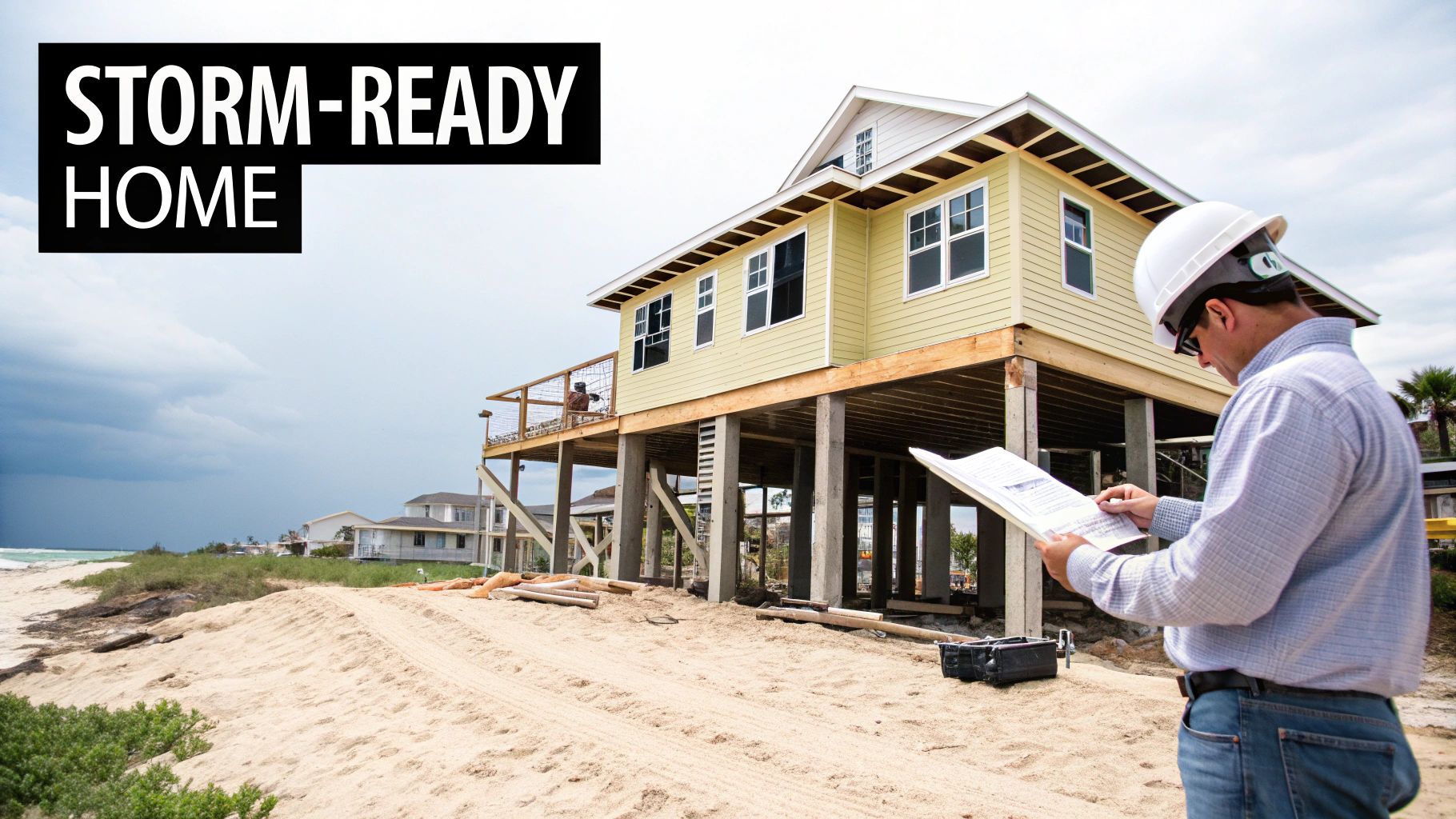
After major storms like Ian, the importance of solid construction has never been clearer. Modern building codes in Southwest Florida are some of the strictest in the nation, and for good reason. These aren't optional upgrades you can pick and choose; they are mandatory requirements that add significant cost but provide priceless protection for your family and investment.
Key hurricane-hardening features include:
- Impact-Resistant Windows and Doors: These specialized products are engineered to withstand high-velocity winds and flying debris, preventing a catastrophic breach that could lead to structural failure. They are a major line item and cost substantially more than standard windows.
- Reinforced Concrete Structures: The vast majority of homes here are built with concrete block (CBS) construction, reinforced with steel rebar to create a fortress-like shell that can take a punch.
- Advanced Roof Connections: We use heavy-duty straps and clips to anchor the roof trusses securely to the walls. This is what keeps your roof from lifting off during extreme wind events.
These elements are just the baseline for safety and are a primary driver of the higher per-square-foot cost in our region.
Battling the Elements with Elevation and Power
Beyond wind, water is a constant threat. The latest news and updated flood maps from FEMA have put a sharp focus on home elevation—another factor that bumps up the upfront cost of building.
On many lots, especially those near the water, we can't just pour a slab on the ground as-is. We often have to bring in dozens of truckloads of fill dirt to raise the entire building pad, sometimes by several feet, to get the home above the base flood elevation. This site prep is a complex and costly first step, but it's essential for mitigating flood risk and securing affordable flood insurance.
In the wake of recent storms, whole-home generators have shifted from a "nice-to-have" luxury to a near-necessity. Homeowners now see the immense value in keeping the lights and A/C on for days or even weeks, ensuring comfort and safety when the grid is down. It's a significant investment, but one that provides profound peace of mind.
Market Pressures and Supply Chain Realities
The sheer desirability of Southwest Florida also plays a huge role in the final cost. The high demand for waterfront lots, especially in prime areas like Cape Coral, keeps land prices at a premium. This intense competition for a finite resource sets a high starting point for any custom home budget before a single nail is hammered.
On top of that, our market faces the same volatile material supply chains affecting the entire country, but with added local pressures. The constant demand for specialized materials like impact glass and concrete can lead to longer lead times and price swings.
Navigating this complex maze of stringent codes, environmental challenges, and market dynamics requires deep local expertise. An experienced builder who understands the ins and outs of Southwest Florida doesn't just build a house; they deliver a resilient, high-value asset designed specifically for this unique and beautiful place we call home.
Modern Features That Define a Florida Custom Home
When you decide to build a custom home in Florida, you’re doing more than just putting up walls and a roof. You're crafting a lifestyle that’s perfectly tuned to our incredible climate and way of life. The final cost to build a house in Florida is shaped by these modern features and design choices—the very things that turn a structure into your personal sanctuary. These are the thoughtful additions that deliver real value, day-to-day function, and pure enjoyment for years to come.
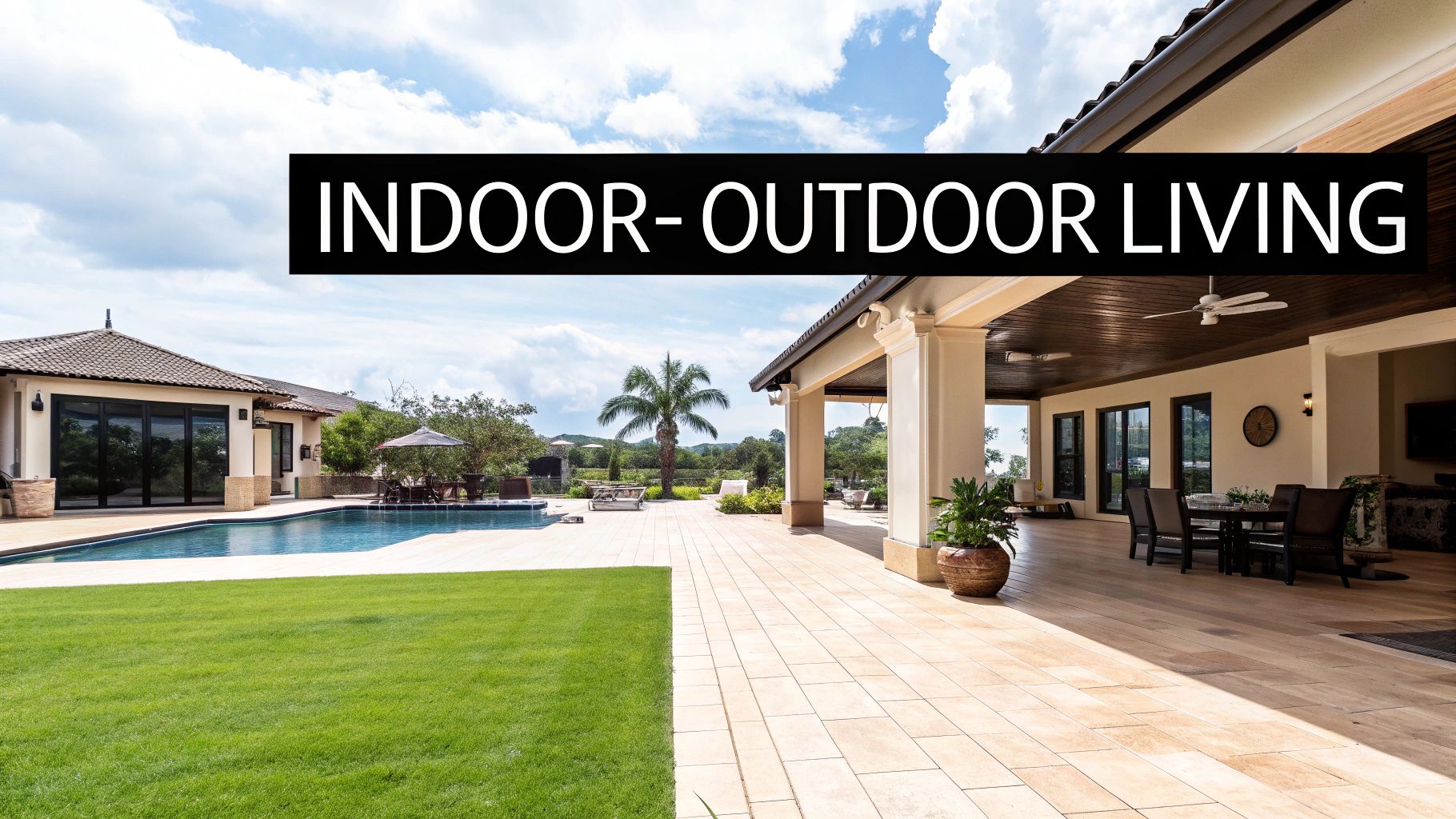
The latest trends in the custom home industry are all about blurring the lines between inside and out. Expansive lanais have evolved far beyond the simple screened-in porches of the past; they are now genuine outdoor living rooms, often designed with features that can rival any room inside the house.
Embracing the Indoor-Outdoor Lifestyle
Let's face it, the quintessential Florida lifestyle is all about the water and the weather. Modern custom homes fully embrace this by creating sophisticated outdoor spaces that feel like a natural extension of the home’s interior.
- Summer Kitchens: We're not talking about just a grill on the patio. These are fully equipped outdoor kitchens with high-end grills, sinks, refrigerators, and durable countertops built to handle the Florida elements.
- Seamless Transitions: Huge sliding or pocketing glass doors that disappear right into the walls are a game-changer. This new design trend creates a massive, open connection from the great room to the lanai, making the entire living area feel bigger and more connected to the beautiful outdoors.
- Comfort and Entertainment: It's now standard to see these outdoor spaces decked out with ceiling fans, integrated lighting, and pre-wiring for sound systems and TVs. They’re built for year-round entertaining.
This focus on outdoor living directly reflects what homeowners in Southwest Florida truly want: a deep connection to the amazing environment all around them.
A well-designed outdoor living area isn't an afterthought; it's a core component of the home's floor plan. Thoughtful craftsmanship ensures these spaces are as durable and functional as they are beautiful, using materials that stand up to the sun, salt, and humidity.
Flexible Living for Modern Families
Another huge builder trend shaping custom home design is the need for flexibility. With the rise of multi-generational living and so many people now working from home, families need houses that can adapt as their lives change.
This has made multi-generational suites or "casitas" incredibly popular. These aren't just spare bedrooms. They are practically self-contained apartments, often with a separate entrance, a kitchenette, a private bathroom, and a small living area. This gives aging parents, adult children, or long-term guests both privacy and independence while keeping everyone connected.
On top of that, builders are now creating dedicated home offices designed for true productivity, complete with sound insulation and beefed-up wiring for all your tech. These flexible spaces add incredible practicality and can seriously boost a home’s appeal on the market.
Smart Homes and Resilient Features
Technology and resilience are the final, crucial pieces of the modern Florida home puzzle. Smart home integration is quickly becoming a standard expectation. Homeowners want to control their lighting, climate, security, and entertainment systems right from their smartphones, adding a layer of convenience that just defines modern living.
At the same time, building for resilience is always top of mind. While hurricane impact features like reinforced structures are required by code, many homeowners are choosing to go a step further with upgrades like whole-home generators. The peace of mind that comes from knowing you'll have power during and after a storm is priceless.
Integrating these systems during construction is so much cleaner and more cost-effective than trying to add them later. A good builder will design a dedicated concrete pad and proper wiring for the generator, making it a seamless part of your home’s infrastructure from day one.
Navigating Construction Loans and Project Timelines

Choosing the right floor plan is exciting, but understanding how to finance and schedule the project is just as critical. The cost to build a house in Florida is a serious investment, and getting the right financing is step one. This is where construction loans enter the picture, and they work very differently than a typical mortgage.
Instead of getting all the money at once, a construction loan pays out in stages called draws. These payments are released only when specific milestones are hit—for instance, a draw comes after the foundation is poured, another after the framing goes up, and so on. It’s a smart system that reassures the lender that work is actually getting done and protects everyone involved.
For this draw process to go smoothly, your builder must provide a transparent, meticulously detailed budget. Think of this document as the financial roadmap for your entire home build. It's the key tool that keeps the project on schedule and makes sure money is there exactly when it's needed, preventing frustrating and expensive delays.
Setting Realistic Project Timelines
Just like your budget, the construction schedule has a lot of moving parts. We know you’re eager to get the keys, but it’s crucial to have realistic expectations about how long this whole process really takes. A good, experienced builder won't just throw out a best-case-scenario date; they’ll give you a clear, phase-by-phase timeline that accounts for the realities of building in Southwest Florida.
Several things can stretch out your project’s timeline:
- Permitting: The review process with local municipalities, especially in Lee County, can be thorough. A builder who knows the local system inside and out is essential for avoiding unnecessary holdups here.
- Weather: Let's face it, this is Florida. Hurricane season is real, and afternoon thunderstorms can stop work in its tracks. A proactive builder plans for this, adding buffer days into the schedule and always being ready to secure the job site.
- Supply Chain: Sometimes, getting specific materials like hurricane-impact windows or that high-end appliance you love can take longer than expected. A builder with solid relationships with their suppliers can often navigate these bumps more smoothly than one who doesn't.
An experienced, hands-on builder is your best defense against unexpected delays. By being on-site daily, they can solve problems in real-time, coordinate trades efficiently, and keep the project moving forward, ensuring your home is built to the highest standard without unnecessary setbacks.
From your first design meeting to the final walkthrough, building a custom home is a journey. For a closer look at what to expect, check out our guide on how long it takes to build a custom home for a detailed breakdown of each phase. At the end of the day, a successful build comes down to a partnership between you and your builder—one built on clear communication, transparent finances, and a shared commitment to quality.
Choosing the Right Builder for Your Florida Dream Home
When you break down the cost to build a house in Florida, it’s easy to get lost in the numbers for lumber, concrete, and labor. But the single most important factor—the one that holds the entire project together—is the person steering the ship. Your builder is your partner in this journey, the expert who turns a stack of blueprints and a budget into your family's home.
Choosing the right builder isn't just about hiring a project manager. You're bringing in a craftsman, a problem-solver, and a guide who will be on your job site nearly every day, personally overseeing the details. Here in Southwest Florida, with our unique climate and building challenges, that hands-on approach isn't a perk; it's essential for getting the job done right.
The Hallmarks of a Superior Custom Builder
You need a builder with deep expertise and unwavering integrity. They’re the ones responsible for everything from navigating complex hurricane codes to finding high-quality, energy-efficient materials that will stand up to our intense sun and storms.
Here’s what truly sets a top-tier builder apart from the rest:
- A Commitment to Resilience: They don’t just build to code; they build beyond code. This means using stronger materials and smarter construction techniques to protect your investment and, more importantly, your family from Florida's unpredictable weather.
- Personal Involvement: The best builders are a constant presence on-site. When the owner of the company is there almost daily, you know every phase of construction, from the foundation pour to the final trim work, is being held to the highest possible standard.
- Transparent Communication: They keep you in the loop with clear, consistent updates and are always ready to answer your questions. This isn't just a transaction; it's a partnership built on trust.
Choosing a builder is like picking a co-pilot for a long flight. You need someone with proven experience, a steady hand to navigate turbulence like supply chain snags or sudden storms, and a deep-seated commitment to getting you to your destination safely.
How to Vet and Select Your Builder
Making this decision takes some homework. You're about to enter a long-term professional relationship, so it's crucial to make sure your vision and values are in sync.
Ready to find the right fit? Here are the steps to take:
- Review Their Portfolio: Take a good, hard look at their finished projects. Does the quality of their work and their design style match what you’re dreaming of?
- Speak with Past Clients: A great builder will happily provide references. Talk to those homeowners and ask them honestly about their experience—the good, the bad, and the brilliant.
- Verify Credentials: Make absolutely sure they are fully licensed and insured to build in Florida. This is non-negotiable.
- Assess Their Philosophy: Do they talk about quality craftsmanship and durable materials, or do they just focus on being the cheapest? A builder who puts their own name on the business, like we do, has a personal stake in protecting a reputation built on excellence and integrity.
Answering Your Top Questions About Building in Florida
Taking the leap into a custom home build brings up a ton of questions. We get it. Here are some straightforward answers to the questions we hear most often from folks looking to build here in Southwest Florida.
Is It Cheaper to Buy or Build a House in Florida?
At first glance, the sticker price on a custom home can look higher than an existing house. But that's not the whole story—not by a long shot. You have to think about the total cost of ownership.
A brand-new home means all-new systems (AC, plumbing, electrical), top-tier energy efficiency, and full compliance with the latest hurricane codes. That translates to lower power bills, cheaper insurance, and zero budget-busting surprise renovations for years. When you play the long game, building new often delivers far better financial value and, most importantly, a home that’s actually built for your family.
How Much Should I Budget for Land in Cape Coral?
Land prices in Cape Coral are all over the map, driven almost entirely by one thing: location. A standard inland lot is one thing, but a premium gulf-access waterfront lot is in a completely different league. Your budget also needs to cover the crucial homework you do before a single shovel hits the dirt.
We're talking about confirming utility access, digging into zoning rules, and figuring out what it'll take to prep the site. Many lots here need fill dirt just to meet elevation requirements or even a seawall, both of which are major cost items that can't be overlooked.
What Are the Most Important Hurricane Resistant Features?
Building for hurricane resilience isn't just a good idea in Southwest Florida—it's a non-negotiable. It's also one of the smartest investments you can make in your home to manage long-term costs.
Investing in key hurricane-resistant features is essential for both safety and savings. Top priorities include impact-resistant windows and doors, a hip roof design for better wind deflection, and reinforced garage doors.
Just as critical are the structural connections—the straps and clips holding your roof securely to the reinforced concrete block walls. These features do more than just protect your home during a storm; they can lead to some serious discounts on your homeowner's insurance policy, saving you real money every single year.
How Long Does It Take to Build a Custom Home in Southwest Florida?
For a typical custom home project, you should plan on 12 to 18 months from our initial design chats to the day we hand you the keys. That timeline is broken down into a few main stages.
- Design and Permitting: This is where we finalize your blueprints and get the green light from the local authorities.
- Site Prep and Foundation: We handle everything from clearing the lot and bringing in fill to pouring the solid concrete slab your home will rest on.
- Main Construction: The longest part of the journey. The walls go up, the roof goes on, and all the internal systems get installed.
- Final Finishes: This is the fun part! All the interior and exterior details come together, from paint and flooring to cabinets and landscaping.
Things like the complexity of your design, Florida's famous weather, and your builder's efficiency all play a part in the final schedule. That’s why having an experienced local builder in your corner, one who knows how to navigate these variables, is so critical to keeping things moving smoothly.
Ready to build a home that combines superior quality with thoughtful design? The team at Sinclair Custom Homes Inc is on-site and hands-on, ensuring every detail of your vision comes to life. Let's start the conversation about your Florida dream home today at https://sinclaircustomhome.com.