


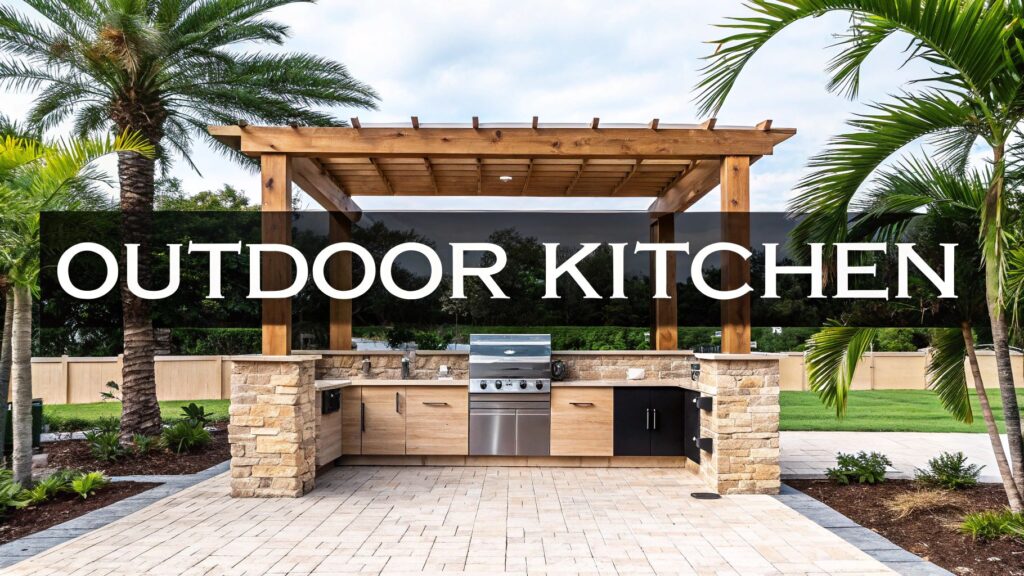
In Southwest Florida, an outdoor kitchen isn't just an addition; it's the heart of a home's entertainment and relaxation space. Building in areas like Cape Coral and Fort Myers, however, demands more than just aesthetic appeal. It requires an engineering-first approach that accounts for intense sun, corrosive salt air, hurricane-force winds, and the unique lifestyle of the Sunshine State. The latest trends in the custom home industry focus on creating spaces that are both luxurious and resilient, integrating features that address everything from storm readiness to modern convenience.
This isn't about generic backyard barbecues; it's about crafting integrated, storm-ready sanctuaries. From lanais that seamlessly blend indoor and outdoor living to dockside kitchens celebrating our waterfront culture, the best outdoor kitchen ideas for Florida are those built with strength, longevity, and local expertise. A well-designed outdoor space should be a place you can enjoy without worry, knowing it's constructed with the highest standards of quality and integrity to withstand anything Florida throws at it. Properly planning a layout and selecting materials are crucial first steps. For more expert advice on designing your dream space, explore an array of expert outdoor kitchen design ideas to gather inspiration for functionality and flow.
This guide moves beyond simple concepts to explore eight innovative and practical designs tailored specifically for new custom homes in our region. We'll cover everything from hurricane impact features and elevation considerations to the smart technologies and sustainable materials defining new builder trends in Southwest Florida.
1. The Covered Lanai Kitchen: Your All-Weather Entertainment Hub
For Florida homeowners, especially in Southwest Florida communities like Cape Coral and Fort Myers, the desire for year-round outdoor living is a primary motivator in custom home design. The covered lanai kitchen directly addresses this need, transforming a simple patio into a seamless, all-weather extension of your indoor living space. This design isn't just a grill on a slab; it's a fully integrated culinary and entertainment hub protected from the state's signature intense sun and unpredictable afternoon thunderstorms.
This approach involves situating your outdoor kitchen under the home’s main roofline or a substantial, structurally integrated extension. Unlike a simple pergola, a solid, hurricane-rated roof provides complete shelter, allowing you to cook, dine, and entertain regardless of a sudden downpour. This design is one of the most popular outdoor kitchen ideas Florida builders recommend because it maximizes usability and property value, effectively creating an additional room without the full cost of an interior addition.
Why It Works for Florida
The covered lanai kitchen is the ultimate solution for the Florida climate. It provides essential shade, which can lower the ambient temperature by 10-15 degrees, making cooking and dining far more comfortable. Furthermore, it protects expensive appliances like grills, refrigerators, and pizza ovens from corrosive salt air and damaging UV rays, significantly extending their lifespan. By integrating features like ceiling fans, recessed lighting, and even retractable hurricane screens, you create a controlled, storm-ready environment that is both comfortable and functional day or night. For an in-depth exploration of how this feature enhances a home's design, you can learn more about what defines a lanai and its benefits.
Implementation Tips for a Resilient Lanai Kitchen
- Structural Integrity and Drainage: Work with your builder to ensure the roof structure is engineered to meet or exceed Florida's hurricane building codes. Proper engineering for roof pitch and drainage is critical to handle torrential rainfall without water pooling or intrusion.
- Climate-Rated Fixtures: Install outdoor-rated ceiling fans (damp or wet-rated) to circulate air and deter insects. Select 316-grade stainless steel for all appliances and hardware, as it offers superior resistance to corrosion from the humid, salt-laden air common in Fort Myers Beach.
- Strategic Utility Planning: Plan all electrical outlets, gas lines, and plumbing rough-ins during the initial construction phase. This includes dedicated circuits for high-draw appliances and integration with a whole-home generator for uninterrupted power during storms.
- Incorporate Natural Light: To prevent the covered space from feeling too dark, consider adding skylights with hurricane-impact glass or clerestory windows. This allows natural light to filter in without direct sun exposure.
2. Waterfront Dock Kitchen with Boat Integration
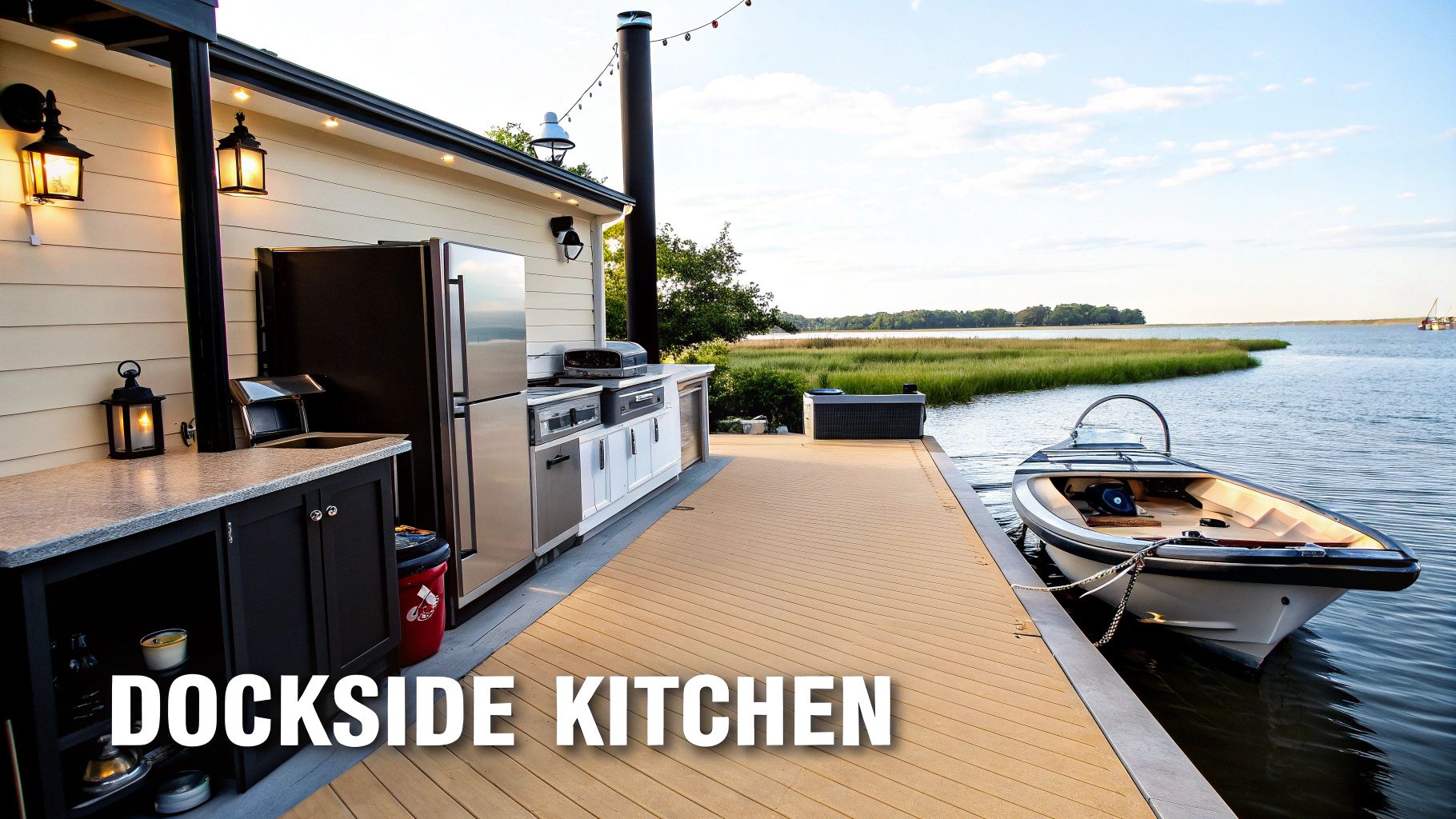
For the ultimate expression of the Southwest Florida lifestyle, the waterfront dock kitchen elevates entertaining to a new level. This highly specialized design integrates a functional culinary space directly into the docking structure of a waterfront property. It's an ambitious concept seen in luxury custom homes throughout Cape Coral and Fort Myers Beach, creating a seamless transition from a day on the water to dockside dining and socializing without ever setting foot inside the main house.
This design moves beyond a simple cleaning station and transforms the dock into a destination. It involves engineering a portion of the pier or an adjacent platform to support the weight and infrastructure of a high-end kitchen. As one of the most innovative outdoor kitchen ideas Florida has to offer, it directly caters to the boating-centric culture of Lee County. Imagine returning from a fishing trip, preparing your catch on a dedicated filet station, grilling it just steps away, and serving guests who arrive by boat, all while enjoying panoramic water views.

Why It Works for Florida
The dock kitchen is perfectly suited for Florida's waterfront communities by merging two of the state's biggest draws: boating and outdoor living. This setup maximizes the utility of valuable waterfront real estate, offering unparalleled convenience for boat owners. It eliminates the hassle of transporting coolers, food, and supplies between the house and the boat. Furthermore, these structures are built to withstand the harsh marine environment, utilizing materials specifically chosen to resist constant exposure to salt spray, humidity, and intense UV radiation, ensuring longevity and performance.

Implementation Tips for a Resilient Dock Kitchen
- Marine-Grade Materials are Non-Negotiable: Insist on 316L (marine-grade) stainless steel for all appliances, fasteners, and hardware. For cabinetry, choose weatherproof options like powder-coated aluminum or high-density polyethylene (HDPE) that will not warp, fade, or degrade in the salt air.
- Engineered for the Elements: The dock's substructure must be engineered to support the kitchen's significant weight and meet all local building codes for wind and water loads. This includes reinforced pilings and framing designed to withstand hurricane-force winds and storm surges, a critical consideration when building on a waterfront property in Cape Coral.
- Prioritize Electrical Safety: All electrical wiring must be marine-rated and installed in waterproof conduits. Every outlet must be GFCI-protected and connected to a circuit that can be supported by a backup generator, ensuring safety and functionality during power outages.
- Design for Durability and Drainage: Countertop surfaces should be durable and non-porous, like granite or engineered quartz. The flooring material, often a composite decking, must be slip-resistant and allow for proper water drainage to prevent pooling and deterioration.
3. Tropical Tiki Bar Kitchen with Thatched Roof
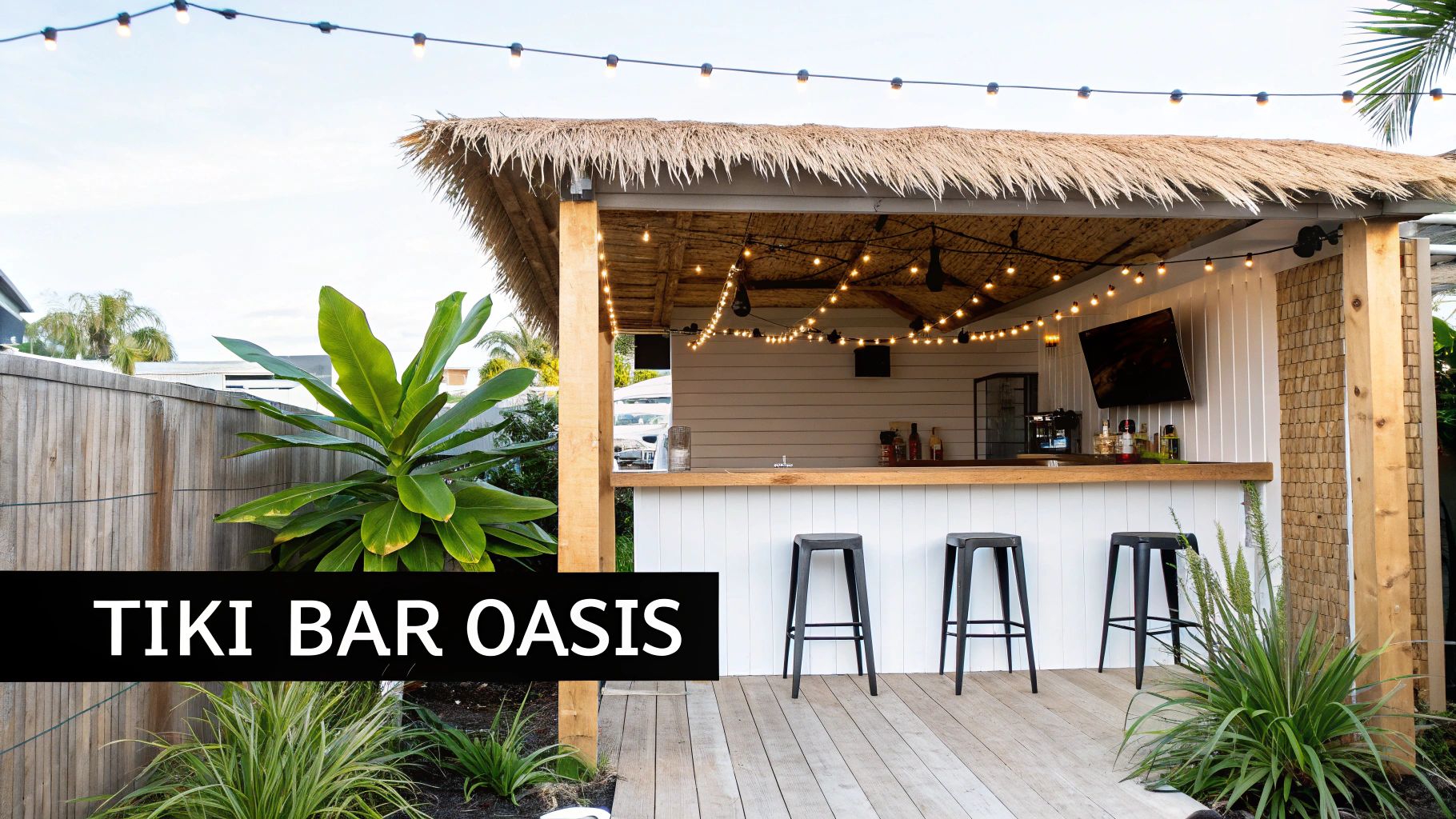
For Florida homeowners who want to transform their backyard into a personal resort, the tropical tiki bar kitchen offers a fun, vacation-inspired escape. This design moves beyond simple function and embraces a distinct aesthetic, creating a dedicated zone for casual entertaining with a laid-back, island vibe. It's more than just a place to grill; it's a destination within your property, perfect for capturing the relaxed lifestyle sought after in communities from Cape Coral to Fort Myers Beach.
This approach centers around a prominent bar structure, often featuring natural materials like bamboo or weathered wood, and is crowned with a signature thatched roof. The kitchen components, such as the grill, sink, and refrigeration, are integrated into a U-shaped or L-shaped layout that promotes social interaction between the "bartender" and guests. This style is one of the more creative outdoor kitchen ideas Florida homeowners are embracing to personalize their outdoor living spaces and create a unique entertainment experience.
Why It Works for Florida
The tiki bar kitchen is perfectly suited to Florida's casual, sun-soaked culture. It creates an informal, social atmosphere that encourages guests to relax and linger. The thatched roof, while primarily aesthetic, provides targeted shade over the bar and cooking area, making it more comfortable during sunny afternoons. This design becomes a visual centerpiece for pool areas and patios, enhancing the overall resort-style feel of a custom-built Southwest Florida home and providing a fantastic backdrop for parties and family gatherings.
Implementation Tips for a Durable Tiki Kitchen
- Choose Synthetic Thatching: While natural thatch looks authentic, it's susceptible to mold, insects, and rapid deterioration in Florida's humidity and intense sun. Opt for high-quality synthetic thatch materials, which are UV-stable, fire-retardant, and engineered to withstand hurricane-force winds when properly installed.
- Prioritize Structural Engineering: A thatched roof, even a synthetic one, must be supported by a structure engineered to meet Florida's stringent building codes. Work with your builder to ensure the frame can handle high wind loads and is properly anchored to a concrete foundation or substantial patio slab.
- Select Climate-Resistant Finishes: All wood elements, from the bar top to support posts, should be made from weather-resistant species like teak or ipe, or be treated with a high-quality marine-grade sealant to prevent rot and UV damage. Use 316-grade stainless steel for all hardware and appliances to resist corrosion.
- Integrate Ambient Lighting: Plan for integrated, low-voltage LED lighting to enhance the atmosphere at night. Use uplighting on palm trees, under-counter lighting at the bar, and overhead pendant lights to create a warm, inviting glow while ensuring safety around cooking and walking areas.
4. Modern Minimalist Kitchen with Smart Technology
Reflecting the sleek, contemporary architecture seen in newer Cape Coral and Fort Myers custom homes, the modern minimalist outdoor kitchen blends sophisticated aesthetics with high-performance functionality. This design philosophy moves beyond rustic stone and heavy woods, emphasizing clean lines, neutral color palettes, and seamless integration. It’s not just a cooking area; it's a high-tech culinary stage designed to complement modern living, where smart home automation extends into the outdoor environment.
This approach is characterized by handle-free cabinetry, flush-mounted appliances, and materials like polished concrete, powder-coated aluminum, or large-format porcelain tiles. The "minimalist" aspect refers to the visual simplicity, while the "smart" component introduces advanced convenience. Imagine preheating your grill from your smartphone or adjusting integrated LED lighting with a voice command. These are the kinds of features that define this forward-thinking take on outdoor kitchen ideas Florida homeowners are increasingly demanding for their luxury properties.
Why It Works for Florida
The modern minimalist design is inherently resilient to the Florida climate. The non-porous, high-density materials often used, such as marine-grade polymers and stainless steel, are exceptionally resistant to moisture, mold, and salt-air corrosion. Furthermore, integrating smart technology allows for enhanced control and safety. You can remotely monitor cooking temperatures, receive alerts if a refrigerator door is left open, and integrate the kitchen’s electrical systems with your home's main generator for uninterrupted use during a power outage following a hurricane. This level of control and durability is perfect for the demanding Southwest Florida environment.
Implementation Tips for a High-Tech Outdoor Kitchen
- Integrated Smart Systems: Work with your builder, like Sinclair Custom Homes, early in the design phase to integrate smart systems seamlessly. Planning for WiFi-enabled appliances from brands like Lynx or Hestan ensures all components communicate effectively with your home automation platform.
- Marine-Grade Electronics: In coastal areas like Fort Myers Beach, it is crucial to specify marine-grade electronics and speakers. All wiring must be protected within sealed conduit to prevent corrosion and ensure long-term reliability against the salty air.
- Sealed Cabinetry and Component Protection: Choose fully sealed cabinetry, often made from powder-coated stainless steel or specialized polymers. This protects sensitive electronic components, wiring, and smart controllers from humidity, pests, and blowing rain.
- Robust Network Coverage: A smart kitchen is only as good as its connection. Ensure your builder plans for adequate WiFi coverage by installing outdoor-rated access points or repeaters, guaranteeing a stable signal for all your connected devices.
- Electrical Load Planning: High-end smart appliances can have significant electrical demands. Consult with your builder’s engineering team to ensure the outdoor kitchen’s electrical panel and wiring can handle the total load, especially when integrated with a whole-home generator system.
5. Mediterranean-Style Stone Kitchen with Pizza Oven
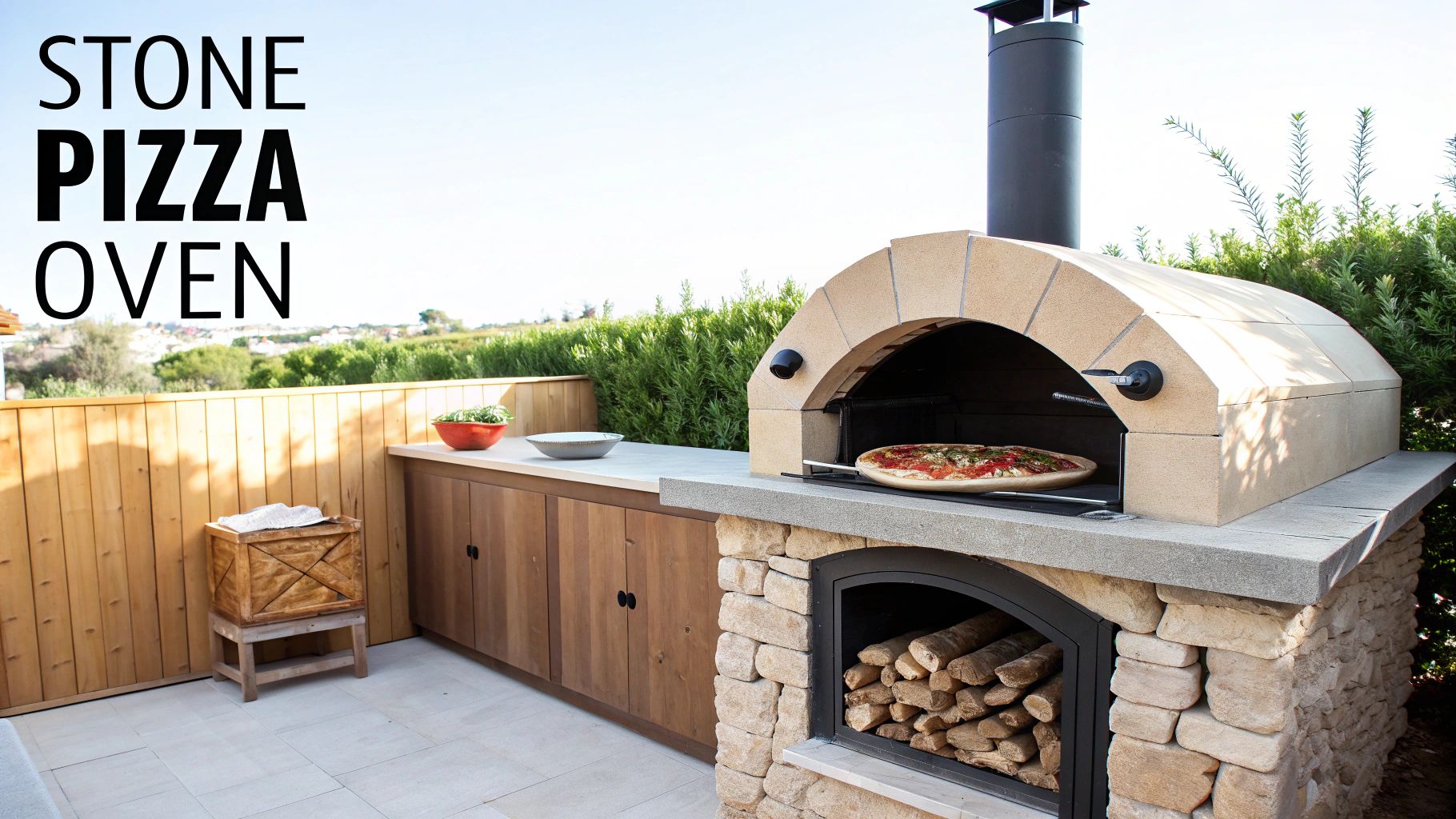
Evoking the timeless elegance of a European villa, the Mediterranean-style stone kitchen brings Old-World charm to the Southwest Florida landscape. This design moves beyond simple function to create an immersive, resort-like atmosphere centered around a classic wood-fired pizza oven. It is characterized by its use of natural stone, stucco finishes, arched details, and warm, earthy materials that feel both rustic and luxurious, making it a perfect fit for estate homes in communities like Cape Coral and Fort Myers.
This style is more than just an aesthetic choice; it's about creating a destination for gathering and traditional cooking. The pizza oven becomes the heart of the space, offering a unique culinary experience that standard grills cannot replicate. As one of the more sophisticated outdoor kitchen ideas Florida homeowners are embracing, this design transforms a backyard into a private Tuscan retreat, ideal for everything from casual family pizza nights to elegant alfresco dinner parties.
Why It Works for Florida
The Mediterranean design philosophy is inherently suited to a warm, sun-drenched climate. The use of stone and stucco provides thermal mass, helping to keep the kitchen area cooler. These robust, natural materials are also incredibly durable and can withstand Florida's intense UV exposure and humid conditions when properly sealed and maintained. By integrating this kitchen under a permanent, hurricane-rated structure with terracotta roof tiles, you get a space that is not only beautiful but also resilient against severe weather, a key consideration for new custom homes in Southwest Florida. For homeowners designing a native Florida eco-kitchen with sustainability in mind, incorporating the top drought-tolerant plants into the surrounding landscaping can significantly reduce water usage and enhance the rustic, sun-baked aesthetic.
Implementation Tips for an Authentic Mediterranean Kitchen
- Authentic Material Selection: Choose high-quality, salt-resistant natural stone like travertine or limestone for countertops and cladding. Work with your builder to select stucco finishes and terracotta tiles that are rated for coastal environments to prevent premature degradation.
- Proper Pizza Oven Ventilation: A wood-fired oven produces significant smoke. Ensure your design includes a properly engineered chimney or ventilation system that directs smoke away from dining and seating areas, complying with local building codes.
- Marine-Grade Sealants: The mortar and grout joints in stonework are vulnerable to moisture intrusion from Florida's humid air and heavy rains. Use a high-quality marine-grade sealant on all porous surfaces to prevent mildew growth and structural damage.
- Durable Cabinetry and Fixtures: The rustic look often involves wood, which requires careful selection in Florida. To avoid rot and warping, consider alternatives like marine-grade polymer cabinets with a realistic wood-grain finish. You can learn more about selecting kitchen cabinets that balance aesthetics with all-weather durability.
6. Native Florida Eco-Friendly Kitchen with Sustainable Materials
For homeowners in Southwest Florida seeking to blend their living space with the state’s unique natural beauty, an eco-friendly kitchen offers a thoughtful and sustainable solution. This approach goes beyond aesthetics, focusing on creating a resilient outdoor space that respects the local ecosystem. It incorporates sustainable, locally sourced materials, energy-efficient appliances, and native landscaping to build a kitchen that is both beautiful and environmentally responsible.
This design philosophy aligns perfectly with modern custom home building trends in communities like Cape Coral, where environmental stewardship is increasingly valued. It’s a holistic concept that considers the entire lifecycle of the kitchen, from material sourcing to water management and energy consumption. As a leader in innovative outdoor kitchen ideas Florida homeowners can trust, this sustainable model proves that luxury and eco-consciousness can coexist, resulting in a space that feels authentically Floridian.
Why It Works for Florida
The eco-friendly kitchen is ingeniously adapted to Florida's environment. Using native plants like saw palmetto and gumbo limbo for surrounding landscaping reduces the need for irrigation and chemical fertilizers, as these species are naturally resistant to local pests and drought conditions. Furthermore, incorporating features like permeable pavers helps manage heavy storm runoff, a critical consideration in hurricane-prone areas. This reduces strain on local drainage systems and helps replenish the aquifer. Choosing sustainable materials and energy-efficient appliances also lowers the home's overall environmental footprint and can lead to long-term cost savings.
Implementation Tips for a Sustainable Outdoor Kitchen
- Specify Sustainable Materials: Opt for reclaimed local woods like cypress or Dade County pine for cabinetry and accents. These materials are not only beautiful and durable but also reduce the carbon footprint associated with transportation. For countertops, consider recycled glass or other eco-friendly composites.
- Choose ENERGY STAR® Appliances: Select outdoor-rated refrigerators, ice makers, and lighting that are ENERGY STAR certified. These appliances use significantly less energy, which reduces utility bills and lessens the load on a backup generator during a power outage.
- Integrate Smart Water Management: Install a rain barrel system to capture rooftop runoff for irrigating your native landscape. Work with your builder to engineer efficient drainage using permeable pavers or gravel systems, which prevent water pooling and soil erosion during torrential downpours.
- Use Low-Impact Finishes: Ensure all sealants, stains, and paints used on cabinetry and structures are low-VOC (Volatile Organic Compounds). This improves air quality and prevents harmful chemicals from leaching into the surrounding environment, protecting both your family and local wildlife.
7. Open-Air Pergola Kitchen with Retractable Shade
For homeowners who love the feeling of open-air cooking but need a practical solution for Florida’s intense sun, the pergola kitchen with retractable shade offers the perfect compromise. This design combines the architectural elegance of a modern pergola with the high-tech functionality of a motorized, retractable canopy. It allows you to instantly switch between a sun-drenched, open-sky atmosphere and a comfortable, shaded oasis at the touch of a button.
This approach is increasingly popular in contemporary custom homes across Cape Coral and Fort Myers, where flexible entertaining spaces are highly valued. Unlike a fixed roof, this system provides adaptable protection from the midday sun while still allowing you to enjoy the evening stars. This makes it one of the most versatile outdoor kitchen ideas Florida residents can choose, blending aesthetic appeal with on-demand climate control.
Why It Works for Florida
The key advantage of this design is its adaptability to Florida's dynamic weather. You can fully retract the canopy to let sunlight in during cooler months or partially extend it to create targeted shade over your dining area. When an afternoon shower approaches, you can quickly extend it for light rain protection. This flexibility is ideal for a climate where conditions can change rapidly, ensuring your outdoor kitchen remains usable and comfortable throughout the day and across different seasons.
Implementation Tips for a Smart Pergola Kitchen
- Choose Resilient Materials: Opt for a pergola structure made from powder-coated aluminum or specially treated wood that can withstand constant exposure to UV rays, humidity, and salt air. For the canopy, select a high-quality, marine-grade outdoor fabric that is rated for UV, mildew, and water resistance.
- Integrate Smart Technology: Install a motorized system with a remote control or smart-home integration. It's wise to include a manual override or backup power option connected to a generator circuit in case of a power outage, a common occurrence during Florida’s storm season.
- Plan for Coastal Conditions: Ensure all electrical wiring for the motor and any integrated lighting is run through properly sealed, corrosion-resistant conduits. This is a critical safety measure in coastal environments like Fort Myers Beach to prevent damage from moisture and salt.
- Engineer for Wind and Water: Work with your builder to ensure the pergola is engineered to meet local wind load requirements. Modern designs may feature louvered systems that can close to block rain and open to vent air, but they must be rated to withstand hurricane-force winds.
8. Luxury Resort-Style Multi-Zone Kitchen with Sectional Entertainment
For discerning homeowners in luxury waterfront communities like Cape Coral and Fort Myers Beach, an outdoor kitchen is more than a place to grill; it's the anchor of a comprehensive outdoor living experience. The resort-style multi-zone kitchen elevates this concept by creating distinct, specialized areas for cooking, dining, bartending, and lounging. This approach transforms a backyard into a private, five-star resort, mirroring the sophisticated, seamless indoor-outdoor lifestyle that defines high-end custom homes in Southwest Florida.
This design moves beyond a single counter and grill, dedicating separate but cohesive spaces to different activities. You might have a high-performance cooking station with a professional grill and power burner, a separate full-service bar with a sink and ice maker, a formal dining area under a solid structure, and a comfortable lounge section with a fire pit and deep seating. This is one of the most ambitious outdoor kitchen ideas Florida clients pursue, as it requires meticulous planning to create flawless flow and functionality across a large footprint.
Why It Works for Florida
A multi-zone layout is perfectly suited for Florida’s entertainment-focused lifestyle, allowing homeowners to host large gatherings without congestion. Guests can mingle at the bar while food is prepared in the cooking zone, creating a dynamic and social atmosphere. From a new construction perspective, integrating this design from the blueprint stage allows for the necessary structural and utility considerations, such as a concrete foundation engineered to support heavy stone and appliances, and extensive underground plumbing and electrical runs. This level of integrated design is a hallmark of luxury custom home building in Lee County.
Implementation Tips for a Cohesive Resort-Style Space
- Unified Design and Material Palette: To avoid a disjointed look, use a consistent material and color scheme across all zones. For example, carry the same granite countertop and stacked stone veneer from the cooking station to the bar area to create a harmonious, high-end aesthetic.
- Professional-Grade Ventilation: In a large, often partially covered cooking zone, a powerful, commercial-grade vent hood is not a luxury; it's a necessity. This ensures smoke and grease are effectively removed, protecting finishes and keeping the air clear for guests in adjacent lounge or dining areas.
- Engineered for the Elements: Ensure all structures, from pergolas over the dining area to the main kitchen housing, are built to meet Florida’s stringent hurricane codes. This includes reinforced footings, impact-rated windows and doors, and consideration for the home's overall elevation to mitigate storm surge risks.
- Plan for Utility Demands: A multi-zone kitchen has significant power and plumbing needs. Work with your builder to install multiple dedicated circuits and GFCI outlets tied into a home generator system, ensuring your entire entertainment hub remains operational during a power outage.
8-Point Comparison: Florida Outdoor Kitchen Ideas
| Design | Implementation complexity | Resource requirements | Expected outcomes | Ideal use cases | Key advantages |
|---|---|---|---|---|---|
| Covered Lanai Kitchen with Ceiling Fans | Medium–High (roof + systems) | Roof structure, electrical, ventilation, quality fans | Weather-protected, year‑round outdoor living; increased home value | Florida homeowners wanting all‑weather entertaining (SW Florida) | Protects from sun/storms; extends living space; energy/comfort benefits |
| Waterfront Dock Kitchen with Boat Integration | Very High (marine engineering + permits) | Dock construction, marine‑grade materials, specialized plumbing, permits | Seamless boat-to-dining access; premium waterfront amenity; high value | Waterfront/boating properties in Cape Coral, Fort Myers Beach | Direct water access; resort‑style entertaining; high property appeal |
| Tropical Tiki Bar Kitchen with Thatched Roof | Medium (specialized materials) | Thatched or synthetic roofing, decorative finishes, ventilation | Vacation‑style ambiance; casual entertaining; strong aesthetic impact | Beach or resort‑style yards, casual family gatherings | Strong tropical ambiance; relaxed entertaining; visual curb appeal |
| Modern Minimalist Kitchen with Smart Technology | High (tech integration) | Smart grills/appliances, weather‑resistant electronics, professional install | High convenience and control; low‑maintenance surfaces; modern aesthetic | Tech‑savvy homeowners, contemporary homes and condos | Smart controls, clean lines, easy maintenance, precision cooking |
| Mediterranean-Style Stone Kitchen with Pizza Oven | High (skilled masonry) | Natural stone/brick, pizza oven, artisan labor, structural support | Timeless, elegant entertaining space; focal cooking feature; lasting materials | Luxury estates, Mediterranean‑styled homes, formal entertaining | Classic aesthetics; pizza oven centerpiece; durable, high‑end finish |
| Native Florida Eco‑Friendly Kitchen with Sustainable Materials | Medium (sustainable sourcing) | Reclaimed/local materials, energy‑efficient appliances, native landscaping | Lower environmental impact; reduced operating costs; native look | Eco‑conscious buyers, LEED/sustainable communities | Energy savings; native plant resilience; regional material sourcing |
| Open‑Air Pergola Kitchen with Retractable Shade | Medium–High (motorized systems) | Pergola framing, motorized shade hardware, electrical controls | Flexible sun control with ventilation; adaptable entertaining space | Properties needing flexible shade, modern outdoor layouts | Adjustable shade; good airflow; contemporary, space‑efficient design |
| Luxury Resort‑Style Multi‑Zone Kitchen with Sectional Entertainment | Very High (complex multi‑zone build) | Multiple cooking stations, premium finishes, extensive electrical/plumbing, large footprint | Resort‑quality entertaining; large‑event capability; significant value uplift | Affluent homeowners who frequently host large gatherings | Multiple functional zones; high capacity; premium amenities and ambiance |
Build Your Legacy: Partnering with a Builder Who Understands Florida Living
Designing the ultimate outdoor kitchen in Southwest Florida is about much more than just picking out a grill and some stylish countertops. As we've explored through the covered lanai concepts, waterfront dock kitchens, and luxury resort-style layouts, a truly successful project is a masterclass in foresight, engineering, and climate-specific design. It's about building an extension of your home that doesn't just look beautiful on day one, but performs flawlessly through decades of sun, salt, and storms.
The difference between a space that lasts and one that deteriorates lies in the details that are often invisible to the untrained eye. It’s about understanding that a standard outdoor kitchen won't suffice in a region where hurricane-force winds, corrosive salt air, and relentless humidity are the norm. Your investment demands a deeper level of expertise.
Key Takeaways for Building a Resilient Florida Oasis
Reflecting on the various outdoor kitchen ideas Florida homeowners should consider, several critical themes emerge that are non-negotiable for longevity and enjoyment in areas like Fort Myers, Cape Coral, and Fort Myers Beach:
- Material Science is Paramount: The choice between 304 and 316-grade stainless steel is not a minor detail; it's a crucial decision that dictates your kitchen's resistance to rust and pitting from salt spray. Likewise, selecting non-porous, UV-stable countertops and marine-grade polymer or concrete cabinetry ensures your investment withstands the intense Florida sun and moisture without fading, warping, or degrading.
- Engineering for Extreme Weather: A beautiful pergola or lanai is useless if it can't withstand a hurricane. Every structural element, from the footing depth to the fastener specifications, must meet or exceed Florida's stringent building codes. This includes integrating features like impact-rated doors and windows, secure roofing systems, and ensuring proper elevation to mitigate flood risk, a critical consideration in new coastal construction.
- Functional Design Meets Climate Reality: The most effective designs anticipate our lifestyle. This means incorporating robust shading solutions like retractable awnings or insulated lanai roofs, integrating high-velocity ceiling fans for air circulation, and installing comprehensive mosquito control systems. It also means planning for power resiliency with generator hookups, ensuring your outdoor refrigerator and lights stay on even when the grid goes down.
From Vision to reality: The Custom Builder's Role
Transforming these ideas from a simple concept into a fully realized, structurally sound, and beautifully integrated part of your home requires a partner who is not just a contractor, but a true custom home builder with a deep, localized expertise. An experienced builder navigates the complex web of permitting, understands the nuances of coastal construction, and has established relationships with specialized tradespeople who are masters of their craft.
They are the ones who ensure the electrical plan is not only to code but is also practical for your smart home integrations and generator tie-ins. They are the ones who verify that the gas lines for your professional-grade grill and pizza oven are installed with precision and safety. An over-engineered custom home isn't an expense; it's an investment in peace of mind. As a custom home builder who is on your job site, Matthew Sinclair ensures every detail is executed with a commitment to creating a legacy home.
Your outdoor kitchen is the heart of your Florida lifestyle. It’s where memories will be made, from casual family barbecues to elegant waterfront gatherings. Building it right means building it to last, creating a timeless asset that enhances your home’s value and your quality of life for generations.
When you're ready to translate your vision for the perfect Florida outdoor kitchen into a masterfully crafted reality, partnering with the right builder is the most important decision you'll make. Sinclair Custom Homes Inc specializes in building homes and outdoor living spaces engineered to thrive in the unique environment of Southwest Florida. Begin the conversation today to see how their commitment to honesty, quality, and integrity can bring your dream project to life at Sinclair Custom Homes Inc.