


Key West style homes invite you to slip into a world where island breezes meet rock-solid construction. Picture pastel wraparound porches, airy interiors and design details that nod to old-world conch houses—yet are fully armed against Florida’s fiercest storms. Custom home builders across Southwest Florida are embracing digital tools, sustainable materials, and modular construction trends to deliver personalized Key West style homes faster and with greater precision. Latest Florida Building Code updates, new flood maps and rising insurance requirements shape these builds.
These conch-inspired dwellings have become a staple from Cape Coral to Fort Myers, marrying laid-back coastal living with upgrades like impact-rated windows, reinforced framing and panelized wall systems.
Why Key West Style Homes Stand Out
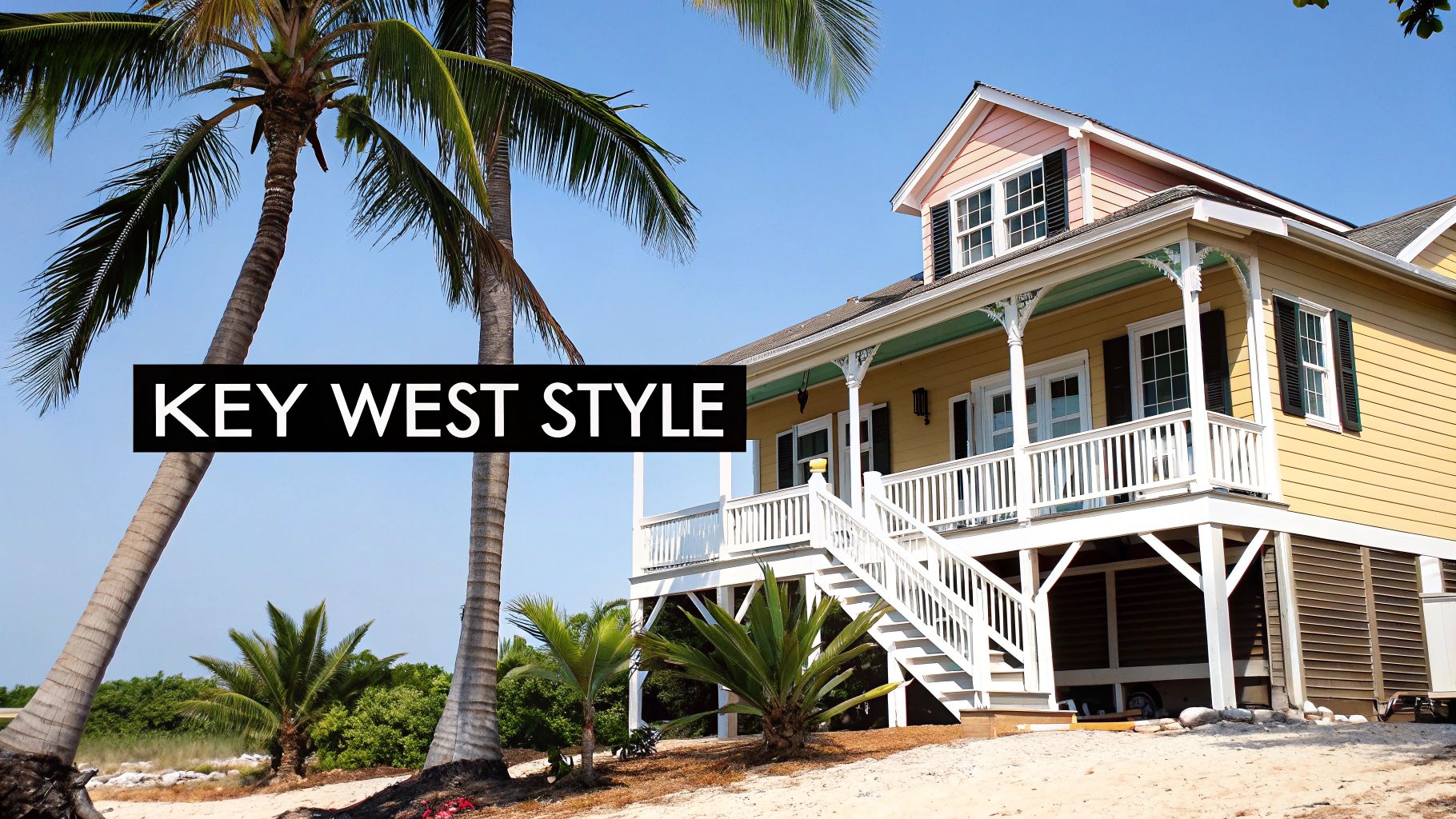

Along the Caloosahatchee River, homeowners are drawn to the effortless flow between indoor and outdoor spaces. A recent Sinclair Custom Homes build sailed through gusts topping 120 mph without a crack, thanks to over-engineered trusses, smart storm panels and off-site panelized wall assemblies.
“ Our conch-inspired home sailed through Irma-level winds without a scratch,” says Matthew Sinclair, underscoring the style’s resilience.
Key Features:
- Pastel-Painted Wraparound Porches that act like built-in sunshades, cutting heat gain and creating breezy lounging spots.
- Elevated Foundations to keep living areas high and dry, while encouraging airflow beneath the house.
- Louvered Shutters that guide cooling gusts inside and lock down for storm protection.
- Corrugated Metal Roofs engineered to shed heavy rain swiftly and resist wind uplift.
- Panelized Wall Systems for faster construction, tighter envelopes, and improved energy efficiency.
This guide unfolds in seven clear sections, moving from history to materials and budgeting:
- Exploring Bahamian Roots and Climate-Driven Origins
- Identifying Hallmark Exterior and Interior Details
- Adapting to Hurricane Codes with Elevation and Generators
- Planning Budgets, Permits, and Realistic Timelines
- Reviewing Sample Floor-Plan Concepts with Material Lists
- Choosing a Local Builder with Proven Conch-Style Expertise
Throughout, you’ll find short paragraphs, vivid analogies and firsthand builder insights—so every feature feels tangible before you break ground.
Heritage Meets Modern Resilience
Key West style homes echo the hand-crafted spirit of 19th-century conch houses, now paired with high-efficiency HVAC systems, standby generators and solar-ready infrastructure. Solar-ready metal roofs paired with integrated battery storage systems ensure critical circuits stay live during extended outages. Think of those wide porches as a giant sun visor, shading walls just like a wide-brimmed hat shields your face.
Next up, we’ll unpack each element in detail—bridging that charming island past with Florida’s strict building codes and climate demands. Get ready to dive into design, materials, and budgeting.
Defining Key West Style Homes
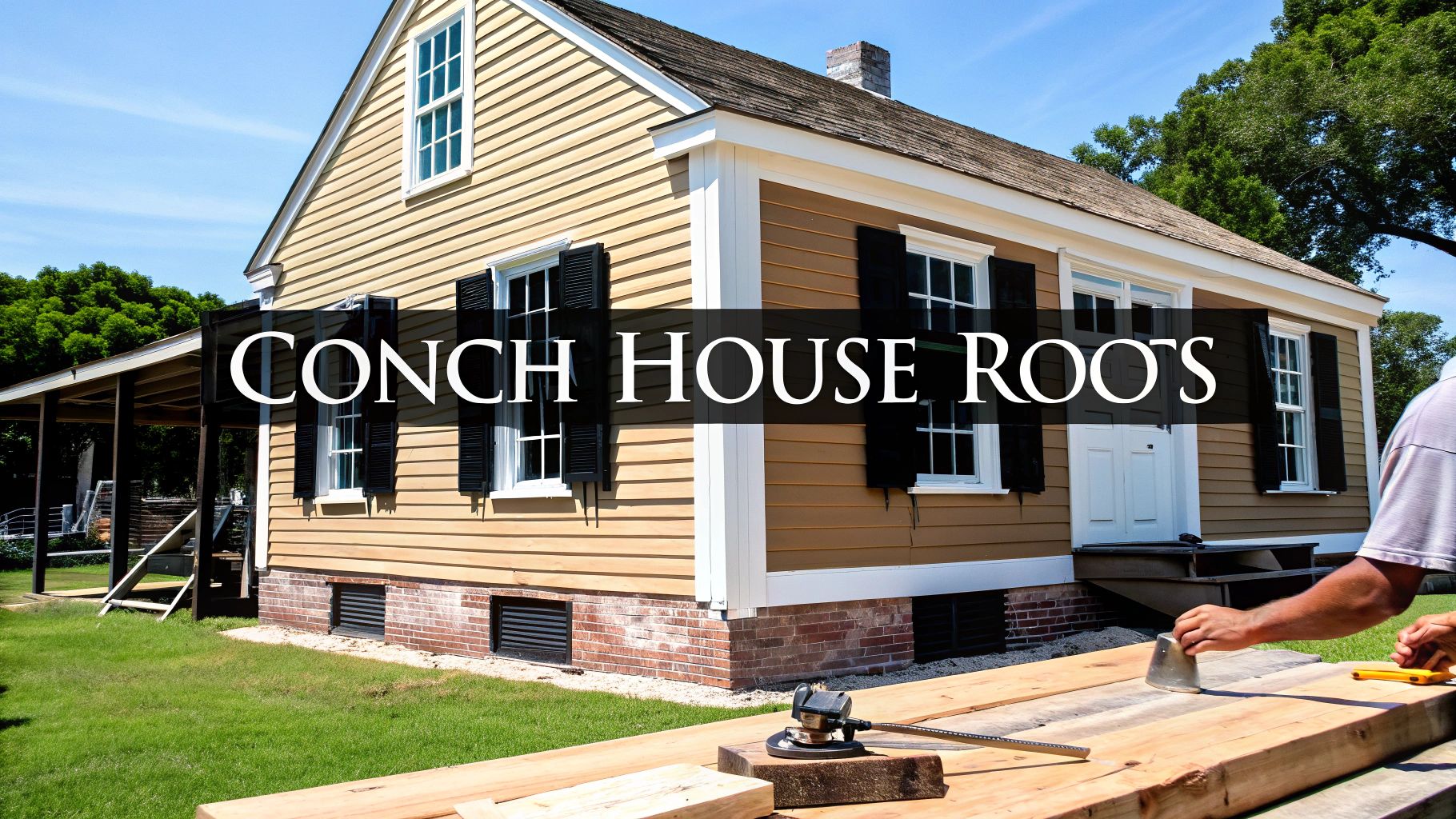
The story of Key West—or “Conch”—style homes starts in the early 1800s. Bahamian immigrants, masters of ship carpentry, imagined houses lifted like hulls on stilts, ready to face salt spray and sudden floods. In response to recent FEMA flood map revisions for Charlotte County and Lee County, builders now plan for higher base elevations and updated storm surge projections.
Those 2–3-foot elevations were more than a tradition; they were a practical shield against high tides and relentless humidity. To step inside their world, take a look at the Oldest House Museum: Explore conch house history.
Wraparound porches soon became front-row seats to sea breezes, dropping indoor heat by about 10–15 degrees Fahrenheit. Paired with tall, double-hung windows and louvers, these homes turned natural ventilation into a daily comfort.
- Elevated Piers: Open space beneath for airflow and flood defense
- Wraparound Porches: Shading walls and windows like a giant umbrella
- Louvered Shutters: Directing breezes indoors and locking tight for storms
- Corrugated Tin Roofs: Rapidly shedding heavy rainfalls
Pastel-painted exteriors did more than delight the eye—they bounced harsh sun and kept walls cooler. Meanwhile, tin roofs handled 60+ inches of annual downpour without complaint.
Bahamian Influence
Skilled craftsmen from Nassau brought their own joinery secrets—think beadboard ceilings and heart pine floors. Every plank and joint spoke of island life, blending rugged durability with laid-back charm.
“ The conch house feels alive with stories of survival—each feature a chapter in climate-smart design.”
Today’s architects respect those early lines while slipping in modern perks: impact-rated glass, reinforced framing, high-efficiency HVAC systems and panelized assemblies all tuck neatly into classic silhouettes.
Climate Resilience
Conch houses were built to face salt, wind, and sudden surges. Modern interpretations double down with:
- Stilt Foundations for FEMA flood zones
- Hurricane-rated windows offering +150 mph protection
- Standby generators hidden in discreet, ventilated bays
- FEMA-Certified Safe Rooms that blend seamlessly with interior décor
Energy Efficiency
Long before air conditioning, Conch homes mastered passive cooling. Now, add high-performance insulation, solar-ready roofing, and battery storage, and you can see utility bills drop by 20–30% versus a typical build.
- Reflective Roof Coatings to bounce back solar heat
- Low-E Window Glass for UV defense and thermal control
- Programmable Smart Thermostats to fine-tune your comfort
- Rooftop Solar PV Arrays with integrated battery backup for storm-proof power
This snapshot of heritage and innovation lays the groundwork for exploring each hallmark feature, resilient upgrade, and budgeting tip in the chapters ahead.
Hallmark Features Of Conch Houses
Key West—or Conch—homes grew from a need to marry style with island survival. Every detail, from roof pitch to porch depth, answers the call of sun, salt air, and sudden downpours.
Exterior Details That Shape Character
The signature pastel palette isn’t just pretty—soft coral, mint and pale blue paints actually bounce back sunlight, helping interiors stay cooler. Wide eaves keep rain off siding and sash windows, cutting down on wood rot over the years.
- Steep Corrugated Roofs crafted from galvanized steel shrug off wind uplift and salt spray
- Wraparound Porches act as outdoor living rooms, capturing sea breezes and shading interior walls
- Elevated Foundations lift living spaces above floodwaters and encourage airflow beneath the house
- Decay-Resistant Cypress or Heart Pine Framing ensures the structure weathers decades in tropical conditions
- Panelized Wall Sections with continuous insulation for a tighter, more energy-efficient envelope
Interior Accents That Echo Tradition
Step inside and you feel the legacy of Bahamian carpenters. Beadboard ceilings give rooms texture and a nod to skilled hands. Generous ceiling heights draw humid air upward, while heart pine floors spread warmth underfoot and stand up to moisture swings.
- Beadboard Ceilings bring a breezy, tactile quality and are simple to repaint
- Wide-Plank Heart Pine Floors resist decay and glow with golden tones
- Louvered Storm Shutters promote cross-ventilation but lock down tight before a storm
- Smooth Plaster Walls shrug off moisture and wipe clean in seconds
Comparison Of Hallmark Features In Key West Style Homes
| Feature | Description | Benefit |
|---|---|---|
| Porch | Wraparound porch | Creates shaded outdoor rooms and boosts airflow |
| Roof | Steep metal roofing | Sheds heavy rain quickly and resists high winds |
| Windows & Shutters | Louvered, impact-rated windows with storm shutters | Balances daylight with storm protection |
| Foundation | Elevated piers | Guards against flooding and promotes ventilation |
| Floors | Heart pine planks | Offers lasting beauty and moisture resistance |
| Exterior Paint | Pastel elastomeric with UV-reflective pigments | Reflects heat and reduces cooling needs |
Each entry here highlights how form truly follows function in Conch architecture.
Cigar Era Inspiration
Between 1870 and 1900, Key West’s population jumped from 5,000 to over 20,000. Cuban and Bahamian workers rolled 100 million cigars annually by 1890, sparking a construction boom. Compact shotgun cottages—often under 1,000 square feet—sprang up with steep roofs, generous porches, and sturdy heart pine or cypress frames.
Eyebrow dormers shaded upper rooms on 20–30% of Old Town homes, blocking 90% of direct sun and keeping spaces brighter without overheating.
Learn more about cigar era influence on Key West architecture
Resilience And Style Combined
Conch houses stand ready when storms roll in. Eyebrow dormers moderate glare while inviting soft daylight. Hurricane straps anchor rafters, impact-rated windows slip into existing frames, and hidden gutter systems funnel torrents to landscaped swales or cisterns.
- Generator Bays tucked behind period-appropriate screens keep life humming through outages
- UV-Resistant Roof Coatings can extend metal roof life by up to 40%
- Elevated Piers and sturdy hurricane straps satisfy local codes without altering classic lines
- Safe Rooms built to FEMA standards that double as interior lounges during calm weather
Checklist For Builders And Homeowners
- Specify galvanized metal roofing rated for 150 mph winds
- Choose pastel elastomeric paint with UV-reflective pigments
- Integrate an elevated foundation to meet FEMA flood requirements
- Use decay-resistant heart pine or cypress framing
- Install impact-rated windows behind decorative louvered shutters
- Include standby generator bays close to living areas
Honor local codes and embrace the breeze.
“ A true Conch house feels like a breeze under your roof and a shield against storms.”
Climate And Code Adaptations For Tropical Builds
Living in the tropics means striking a balance between sunshine and robust engineering. Under the 7th Edition Florida Building Code (effective December 31, 2023), the iconic Key West design must respect both its heritage charm and tough building codes. After all, a pastel porch is only pretty if the house behind it stands strong when the storm blows through.
Imagine your house sitting on stilts like a ship’s deck gliding above swollen tides. By lifting the living space 2–3 Feet off the ground, you increase underfloor ventilation and avoid tens of thousands in flood repairs. Local regulations insist on Elevation Certificates and flood-zone permits before you break ground. Skipping these steps can stall your project—and frustrate even the most experienced builders. That’s why early collaboration with engineers and surveyors is non-negotiable.
Elevation Best Practices
Choosing between pilings and piers comes down to budget, soil conditions, and load requirements. Engineers sink pilings deep below flood projections to anchor your home against uplift. Monitor Charlotte County flood zone reclassifications announced in early 2024 to adjust foundation heights. And remember: the elevation height you select alters where HVAC and plumbing tie in.
- Pilings driven below predicted flood levels for extra anchorage
- Piers spaced to distribute weight and resist uplift forces
- Foundation heights set by local flood maps and insurance guidelines
Wind Zone Requirements
Wind codes are non-negotiable in our part of the world. In zones rated up to 150 mph, every connection—from truss to wall plate—must resist uplift. Ignoring these rules risks inspection failures and, worse, unsafe conditions when a hurricane hits.
- Hurricane Straps tie roof trusses firmly to walls
- Impact-Rated Windows fend off flying debris
- Sealed Entry Points block water intrusion at doors and vents
- Reinforced Garage Doors shore up one of the weakest links
Storm shutters are both a nod to classic Conch style and a practical must-have. Modern homeowners often choose motorized roll-down systems that snap into place in seconds, protecting interiors from driving rain.
Blue roof systems function much like a tilted kitchen sink: water drips along a controlled path. By holding rain on the roof and directing it to storage tanks or landscaped swales, they cut erosion and flood risk.
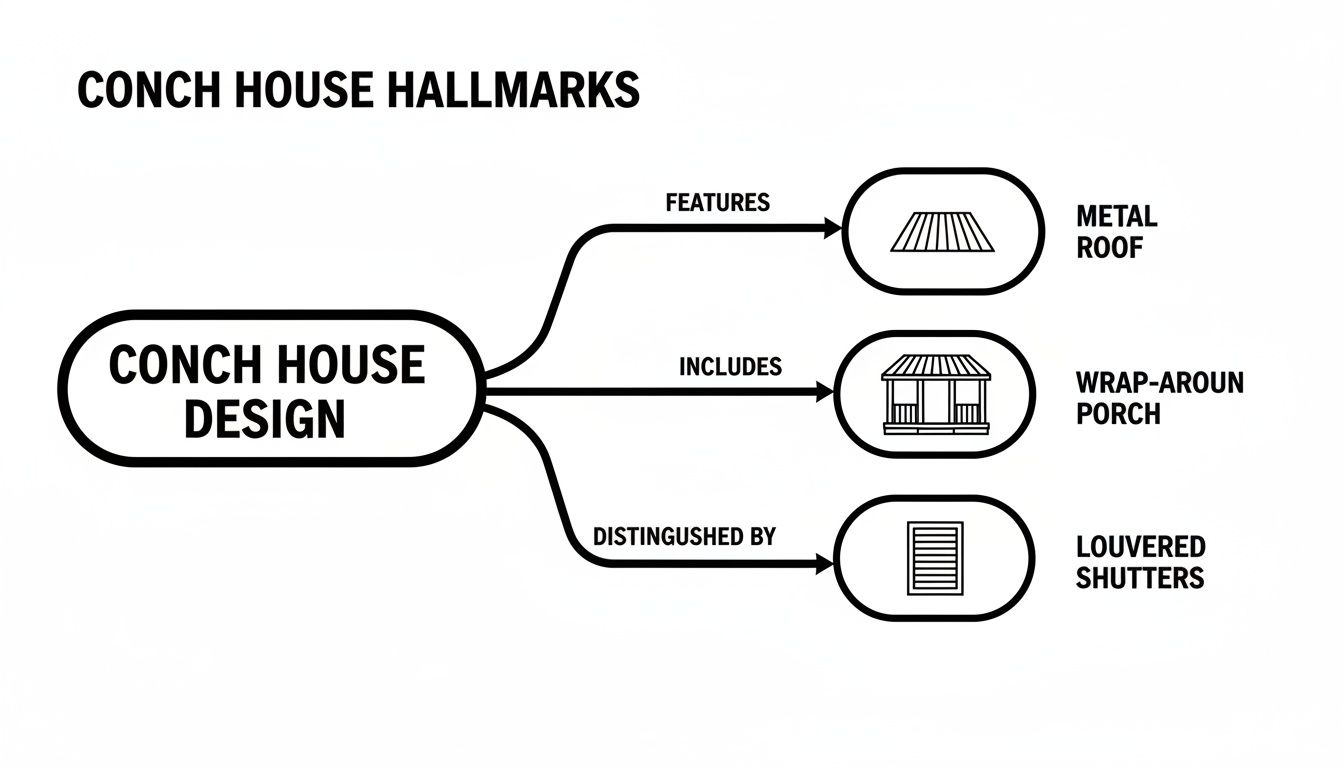
The infographic below maps three core elements of Conch homes—metal roofs, wraparound porches, and louvers—showing how charm and resilience intersect.

Want to dive deeper into foundation choices and floodproofing? Check out our Guide to Stilt Homes in Florida.
Hidden Generator Strategies
When the lights go out, a hidden generator bay feels like a secret lifeline tucked under your porch. Trends now favor hybrid backup solutions combining solar batteries and propane generators with smart remote monitoring. Positioning the unit beneath a ventilated platform keeps it out of sight but easy to service.
“ Installing generator bays early in construction saves retrofit headaches and keeps the design seamless.”
- Build bays with slatted vents to match porch detailing
- Locate access panels for quick maintenance
- Ensure local code clearance for generator placement
Code Updates And Permits
Florida’s codes evolve after each major storm, focusing now on flood resilience, roof assembly tests, and HVAC efficiency. The new 7th Edition Florida Building Code requires higher wind-resistance assembly testing and updated flood-zone designations. Staying ahead prevents expensive redesigns during permit reviews.
- Verify flood zone classifications with your building department
- Submit Elevation Certificates accompanied by stamped surveys
- Schedule wind-load reports and structural engineer sign-offs
- Include detailed roofing assembly documentation in your permit packet
Back in the late 1800s, Victorian and Queen Anne Conch Houses stood tall on raised piers—an early form of flood defense. After Hurricane Irma in 2017, thoughtful restorations boosted their values by 25–40% by 2022. Learn more on American Heritage.
HVAC Placement And Humidity Control
In our sweltering climate, humidity control rivals wind resistance in importance. Where you place your A/C gear makes a world of difference.
- Install ductless mini-splits on covered porches to curb moisture spikes
- Tuck central units into conditioned attics to prevent duct sweating
- Seal crawl spaces and add vents for steady underfloor airflow
Planning Budget And Permits For Custom Builds
Getting started on a Key West style home means lining up your budget and charting a clear path through the permitting process. Material costs fluctuate with global supply chains, but local Southwest Florida sourcing can mitigate overruns as seen during 2023 steel price spikes.
When you choose specialty materials—corrugated metal roofing or hurricane-rated windows—you avoid unwelcome cost surprises. Elevation work and generator integration in flood-prone zones also need to be factored in.
- Corrugated metal roofing at $8–$12 per square foot for premium gauges
- Hurricane-rated windows at $600–$1,200 each depending on size
- Elevation work from $25,000 to $50,000 for 2–3 foot lifts
- Generator integration starting at $15,000, including transfer switch
- Flood-zone permit fees between $1,500 and $4,000 based on classification
Navigating flood-zone classifications affects both your budget and timeline. Early surveys lead to accurate elevation certificates and site plans, cutting back on change orders and smoothing your inspection process.
Estimating Permit Fees
Permit costs shift with each jurisdiction, but in Cape Coral you’ll typically see 1.6% to 2.5% of your total construction value. Coastal projects often require stormwater and environmental reviews, adding $2,000–$5,000 more. Read our essential quick guide on Cape Coral building permits for detailed insights and timelines.
“ Securing permits early is your best defense against budget overruns,” says Matthew Sinclair, founder of Sinclair Custom Homes Inc.
Always tuck away at least 15% of your budget as a contingency. This buffer keeps you sheltered when material prices climb and design tweaks happen.
A smooth schedule kicks off with pre-application meetings at the building department. Running your structural engineer sign-offs and permit submissions side by side can shave weeks off your timeline.
- Outline material and elevation cost estimates
- Schedule flood-zone survey and obtain an elevation certificate
- Submit permit packages with structural and HVAC details
- Track approval timelines and tweak the build schedule
Sample Budget Range Example
For a 2,000 sq ft Key West style home, expect core construction around $550,000. Add a 15% contingency of $82,500 and permit fees near $12,000. This snapshot helps you fine-tune expectations before shovels hit sand.
| Item | Estimated Cost |
|---|---|
| Core Construction | $550,000 |
| Contingency (15%) | $82,500 |
| Permit Fees | $12,000 |
| Generator Integration | $15,000 |
| Elevation Work | $30,000 |
Best Practices For Contingency
Review builder bids line by line to catch any hidden fees or allowances. One recent 1,800 sq ft project tapped its contingency funds mid-build to upgrade hurricane straps—without delaying inspections.
- Track allowances monthly to avoid unexpected costs
- Use digital tools like Buildertrend or CoConstruct for budget transparency
- Hold monthly review meetings with your contractor and accountant
Talk to your builder early about phased payment schedules tied to permit milestones. That clarity will ease financing stress and keep everyone on the same page.
Sample Floor Plans And Material Lists
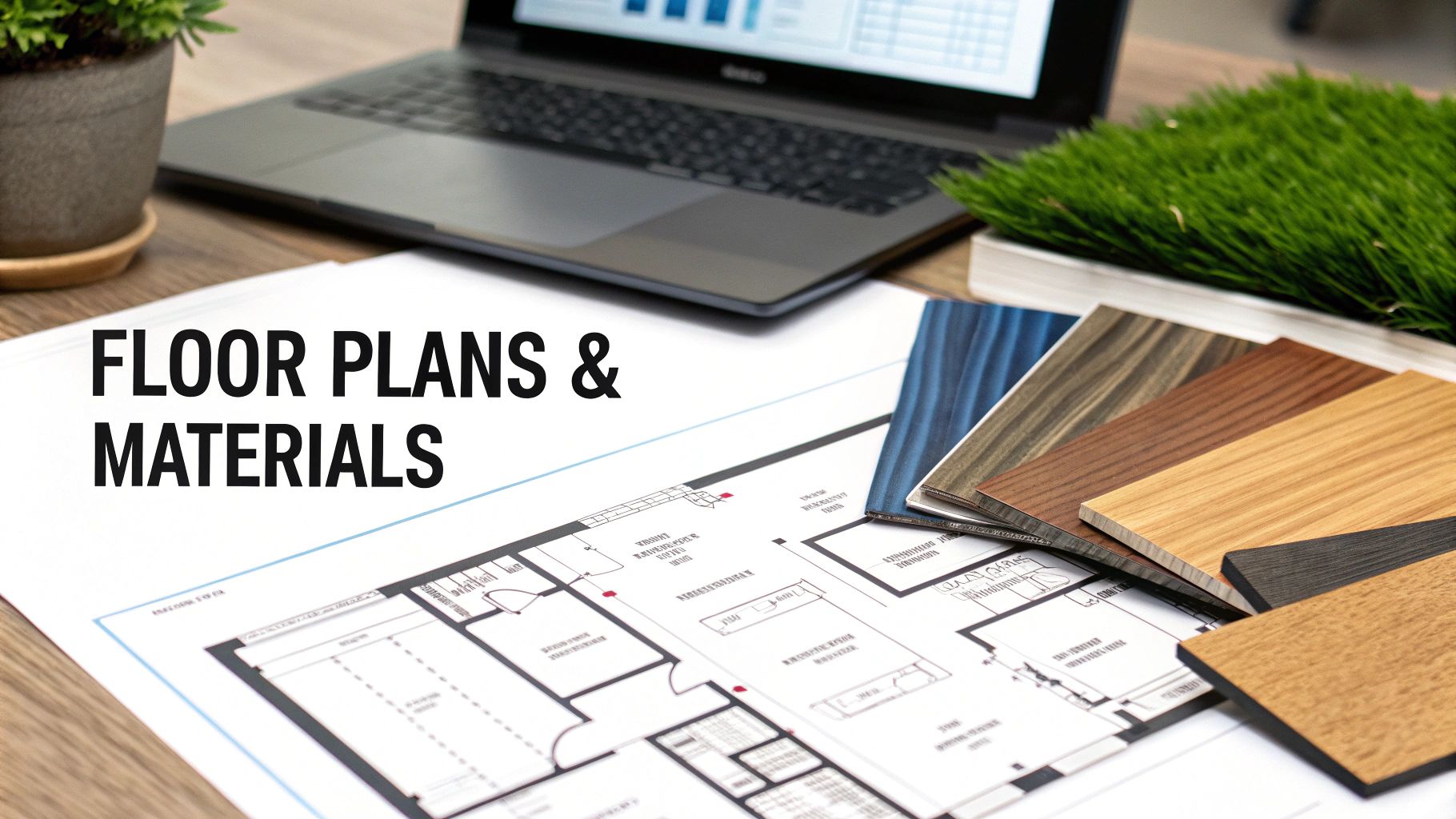
If you’re planning a Key West style home, these two plans help you move quickly from concept to construction. One is a 1,200 sq ft coastal shotgun cottage tailored for narrow lots. The other spreads out over 2,000 sq ft as a Conch-Victorian hybrid, perfect for waterfront vistas.
Coastal Shotgun Cottage Layout
A compact footprint that breathes. Porches at front and back create an outdoor living room, while a central hall links the two. The house sits 3 ft up on concrete piers for flood resilience and airflow.
- Porches on both ends extend living space and serve as sun shields
- 2 bedrooms with double-hung louvered windows for natural cross-ventilation
- Open kitchen and living area to keep gatherings breezy—and storm-ready
- Discreet generator bay hidden beneath the rear deck
“ This layout feels like an open-air gallery,” says a local builder who can’t get enough of porches.
| Feature | Specification | Benefit |
|---|---|---|
| Square Footage | 1,200 sq ft | Ideal for narrow or infill lots |
| Elevation | 3 ft on piers | Complies with FEMA flood standards |
| Roof Type | Corrugated metal | Fast rain runoff and wind resistance |
| Windows | Impact-rated louvers | Blends airflow with storm protection |
Conch Victorian Hybrid Layout
Here, old-school charm meets modern needs. A wraparound porch welcomes sea breezes from three sides. Deep overhangs and coded hurricane shutters keep harsh weather at bay.
- 3 bedrooms, including a master suite with its own porch door
- Expansive kitchen island designed for cooking and conversation
- Loft-style second floor with dormers to flood interiors with daylight
- Integrated generator bay with easy-access service panel
French-style bi-fold doors slide open to water-ready decks—ideal for sunrise coffee or evening cocktails.
Material List And Sourcing Tips
Use this step-by-step guide to gather key materials and keep costs under control:
- Framing Timbers – Opt for heart pine or cypress. Reclaimed wood can shave about 15% off your lumber bill.
- Roofing – 26-gauge galvanized corrugated sheets rated for 150 mph winds; pick a UV-reflective finish to lower attic temperatures.
- Windows & Shutters – Install impact-rated double-hung windows alongside motorized roll-down storm shutters.
- Porch Decking – Choose pressure-treated lumber, composite decking or a tropical hardwood that stands up to salt air.
- Doors & Hardware – Hurricane-rated entry doors with reinforced frames.
- Paint & Trim – Go with pastel elastomeric exterior paints and PVC trim for a durable, low-maintenance finish.
“ Reclaimed heart pine adds instant character and speeds up delivery,” notes a Southwest Florida mill owner.
Best Practices:
- Buy from local Southwest Florida suppliers to reduce freight costs
- Bundle roofing and shutter orders for bulk-purchase discounts
- Select ENERGY STAR appliances in the kitchen to save up to 20% on utility bills
Appliance And Finish Options
Complete your build with these efficient systems and signature Key West hues:
- ENERGY STAR heat pump water heater for consistent, year-round performance
- Programmable thermostats tied into mini-split zones under the porches
- Low-E windows with Solar Heat Gain Coefficient (SHGC) coatings
Stick to a pastel palette—coral, mint, lemon—to bounce heat and tie the exterior look together.
Getting Started With Your Own Plans
Treat these layouts as a springboard when you sit down with your builder. Your next steps:
- Review local flood-zone maps to confirm required elevation
- Discuss generator placement so it integrates seamlessly with your design
- Lock in appliance choices and finish details early to avoid delays
- Ask your builder for permit timelines and built-in budget contingencies
Reach out to Sinclair Custom Homes to adapt these examples to your site and budget. With over 20 years of Florida building experience, we’ll guide you from permit application through ribbon cutting.
Secure your consultation today at Sinclair Custom Homes.
Choosing A Local Custom Builder
Picking the right local builder can make or break your Key West style home. You want someone who speaks Conch architecture fluently and knows how to reinforce it against Florida’s storms. Many firms now offer VR walkthroughs during design stages, enhancing client engagement and speeding decision-making.
What To Look For In Portfolios
Before you sign, dive into their past projects. Look for:
- Conch Style Projects featuring wraparound porches, pastel exteriors, and louvered shutters
- Hurricane-Ready Details like impact-rated windows, reinforced trusses, hidden generator bays and safe rooms
- Floodplain Licensing that proves they meet FEMA elevation standards
- Energy Efficiency Ratings from top-tier insulation to solar-ready roofing
Seeing is believing. Tour finished homes to feel how those piers lift a structure above floodwaters, almost like a boat moored onshore. Touch material samples and inspect mock-ups—good builders welcome scrutiny.
Real-World Case Studies
Case Study 1
A shotgun cottage perched two feet on concrete pilings. The porch-to-porch layout invites breezes, and the generator slips discreetly under the deck rails. After a 10-year flood event, inspections showed zero water intrusion.
Case Study 2
A Conch-Victorian hybrid with steep metal roofs and ornate trim. Motorized roll-down shutters snap closed in seconds, and the backup generator lives under the wraparound porch. In 130 mph wind tests, not a shingle budged.
Interview Questions And Red Flags
Ask every builder:
- What’s your experience with Key West–style homes and Conch architecture?
- How do you handle flood-zone elevation and insurance paperwork?
- Can you share references for similar cottage or hybrid builds?
- What on-site quality-control steps occur weekly?
Beware of missing floodplain permits, vague warranties, or slow communication. Always check for a current license and insurance. Your contract should detail materials, timelines, and stormproofing measures down to the generator bay.
Best Practices You Need To Know
- Schedule site visits with your architect or engineer at each milestone
- Request progress photos and inspect mock-ups before green-lighting the next phase
- Insist on third-party inspections for hurricane straps and foundation elevation
- Verify the crew includes licensed electricians for your generator install
- Explore our guide on choosing a home builder for deeper vetting strategies
A solid build starts with trust and ends with clear, written agreements. That’s how you get a Key West home that’s both charming and storm-proof.
Verifying Skills On Site
Don’t skip walkthroughs at pivotal stages. Document each visit with photos, notes, and a simple checklist. Ask to see live mock-ups of hurricane strap connections or a prototype generator bay—it’s your best protection against surprises.
“ Seeing a working generator install before closing gives peace of mind,” says local contractor Jane Doe.
With these checks, your Key West style home stays on schedule—and on code.
Ready to make your island-inspired vision a reality? Contact Sinclair Custom Homes Inc for expert guidance and unmatched craftsmanship.