


In the competitive Southwest Florida custom home market, success isn't just about design, it's about flawless execution. For builders staking their reputation on over-engineered quality and superior craftsmanship, managing a network of elite contractors is the bedrock of every project. The difference between a good home and an exceptional one often lies in the precision, reliability, and skill of your trade partners.
Navigating the unique demands of this region, from hurricane-resilient building codes and new design trends to managing client expectations for features like whole-home generators and elevated foundations, requires a sophisticated approach. This is where effective contractor management best practices become critical. This guide cuts through the noise to provide a practical, actionable framework specifically for the custom home industry in areas like Fort Myers and Cape Coral.
We will outline 10 proven strategies to refine your operations, from initial vetting and contract definition to performance tracking and long-term partnership development. Implementing these tactics will not only streamline your projects and mitigate risks but also ensure the final product consistently reflects the integrity and quality your brand represents. These are the systems that transform a complex construction process into a predictable, high-quality outcome, project after project.
1. Comprehensive Contractor Vetting and Qualification Process
The foundation of successful contractor management, especially in the high-stakes world of custom home building, is a systematic and rigorous vetting process. This goes far beyond simply collecting bids. It involves a deep-dive evaluation to ensure every contractor, from foundation specialists to finish carpenters, aligns with your company’s standards for quality, reliability, and professionalism. For builders in Southwest Florida, this process must also confirm a contractor's expertise in hurricane-resistant construction and coastal building codes.

This meticulous pre-qualification is one of the cornerstone contractor management best practices. It prevents costly rework, schedule delays, and potential legal issues down the line. For example, when Sinclair Custom Homes needs intricate crown molding, they don’t just look for a trim carpenter; they seek a proven artisan whose portfolio demonstrates precision in high-end, complex installations. This same principle applies to vetting any external partner; understanding how to evaluate providers is a transferable skill. For instance, the detailed approach for choosing the right contract security services offers a useful framework that can be adapted for any specialized trade.
Actionable Vetting Steps:
- Standardize with a Scorecard: Create a contractor qualification scorecard that grades candidates on criteria like years in business, project history, client references, insurance coverage, and specific skills relevant to a Southwest Florida build, such as installing high-impact windows or building elevated foundations.
- Verify Credentials: Actively check licenses with the Florida Department of Business and Professional Regulation (DBPR). Confirm they are active, in good standing, and appropriate for the scope of work.
- Conduct In-Depth Reference Checks: Contact at least 3-5 recent clients and other general contractors they have worked with. Ask specific questions about their communication, timeliness, problem-solving skills, and site cleanliness, especially during post-storm conditions.
- Demand a Portfolio Review: Request high-resolution photos or site visits to recently completed projects similar to yours. This visual verification is crucial for assessing their craftsmanship on features like hurricane-impact doors and generator installations. The principles of evaluating a builder's portfolio are similar to how you would evaluate a custom home builder's overall credentials.
2. Clear Contractual Agreements and Scope of Work Definition
Once a contractor is vetted, the next critical step is memorializing the partnership in an ironclad contract. A handshake and a general understanding are insufficient, especially in the nuanced world of luxury custom home construction. This document serves as the single source of truth, meticulously defining project scope, deliverables, timelines, quality standards, and payment terms to prevent ambiguity. For builders in Southwest Florida, this means contracts must also explicitly detail hurricane-rated material specifications and installation methods that meet or exceed local building codes for high-velocity wind zones.
This level of detail is a cornerstone of effective contractor management best practices, protecting both the builder and the contractor from disputes. For instance, a contract should not just say "install kitchen cabinets"; it should specify the exact material (e.g., rift-sawn white oak), finish (e.g., brand and sheen of conversion varnish), and hardware, including precise installation tolerances. Similarly, a clear change order process is essential. A well-defined system for effective construction change order management ensures that any deviations from the original scope are documented, priced, and approved in writing before work begins, maintaining project budget and schedule integrity.
Actionable Contracting Steps:
- Define Scope with Extreme Detail: Itemize every deliverable. Instead of "exterior paint," specify the exact brand, product line, color codes, surface preparation steps, and number of coats required for both body and trim, noting specific products for coastal durability.
- Establish Measurable Quality Standards: Incorporate industry benchmarks (e.g., AWI standards for millwork) or your own company's specific quality metrics. For tile work, define acceptable lippage and grout line width to the millimeter.
- Create a Rigorous Change Order Process: The contract must outline the exact procedure for submitting, reviewing, and approving change orders, including required documentation and potential impacts on cost and schedule.
- Include Explicit Material Specifications: List every key material, from the manufacturer of impact-resistant windows to the specific type of whole-home generator and its required concrete pad specifications, leaving no room for substitution without formal approval.
3. Performance Metrics and KPI Tracking System
To maintain exceptional standards, what gets measured gets managed. Implementing a system of key performance indicators (KPIs) is a critical contractor management best practice that moves performance evaluation from subjective feeling to objective fact. This involves establishing clear, measurable metrics to assess contractor performance across quality, timeliness, safety, and communication. For a builder like Sinclair Custom Homes, this ensures every trade partner consistently delivers the over-engineered, detail-oriented quality that defines a luxury coastal residence.
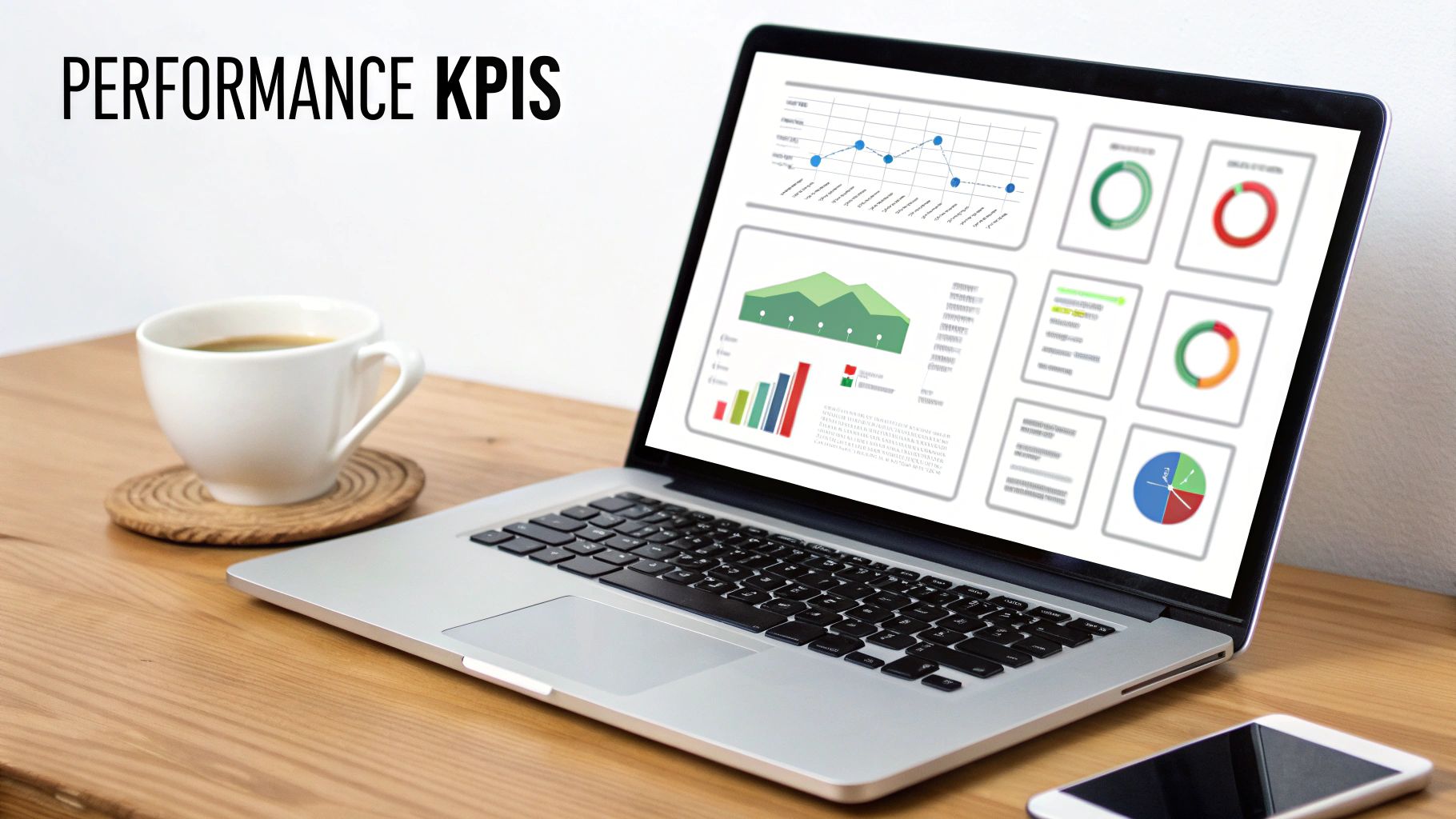
This data-driven approach allows you to identify top-performing contractors, address issues proactively, and make informed decisions about future partnerships. For example, tracking a framer’s adherence to schedule and their record on passing shear wall inspections provides concrete data on their reliability and expertise in hurricane-resistant construction. This systematic evaluation, much like the meticulous process of choosing a luxury custom home builder, relies on tangible evidence rather than assumptions, ensuring every component of the build meets the highest standards.
Actionable KPI Tracking Steps:
- Define Trade-Specific KPIs: Establish baseline metrics for each specialty. For example, measure a window installer on passing water intrusion tests (quality), and a roofing contractor on their watertightness warranty claims (longevity).
- Utilize Technology for Tracking: Leverage project management software to automatically track schedule adherence, punch list item closure rates, and communication response times. This centralizes data for easy review.
- Conduct Regular Performance Reviews: Schedule monthly or quarterly meetings with contractor principals to review their KPI scorecards. Discuss successes and areas for improvement transparently.
- Link Performance to Incentives: Consider tying performance bonuses or preferred-partner status to consistent achievement of key KPIs. This motivates contractors to align with your quality and safety standards.
4. Regular Communication and Progress Monitoring Protocols
Effective contractor management hinges on establishing a constant, clear flow of information. This involves setting up systematic protocols for progress reviews, site inspections, and immediate issue resolution between the builder and all trade partners. A proactive communication strategy prevents misunderstandings, aligns expectations, and ensures that the intricate details of a custom home are executed flawlessly. For builders in Southwest Florida, this means daily verification that hurricane-impact windows are installed to precise specifications and that all exterior work meets stringent coastal building codes.
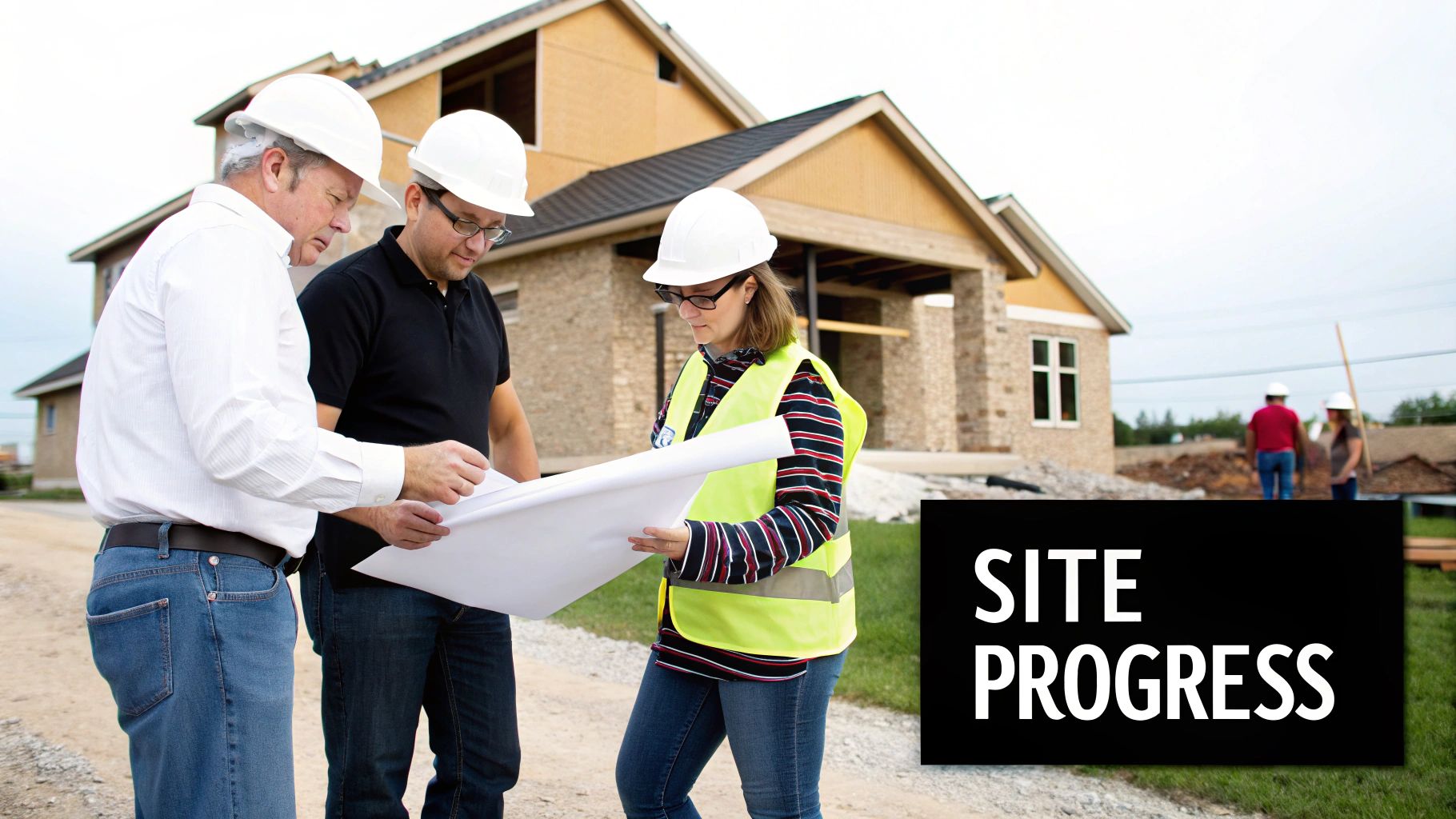
This disciplined approach is one of the most critical contractor management best practices for maintaining project momentum and quality. For example, Matthew Sinclair's hands-on presence and daily walkthroughs ensure details like the flashing on a newly installed window or the precise application of professional finishes are perfect before moving to the next phase. This real-time oversight stops small issues from becoming significant, schedule-derailing problems. This level of engagement is crucial for complex projects, mirroring the detailed oversight needed when coordinating multiple trades for a comprehensive home renovation.
Actionable Communication Steps:
- Implement Daily Stand-Up Meetings: Start each day with a brief 15-minute meeting on-site to align all present contractors on the day's goals, dependencies, and potential obstacles.
- Utilize Project Management Technology: Leverage apps like Buildertrend or CoConstruct to provide real-time updates, share photos of completed work, and maintain an accessible project issue log for all stakeholders.
- Mandate Photo Documentation: Require contractors to submit photos at key milestones, such as after framing is complete or before drywall is installed, creating a visual record of quality and progress.
- Schedule Weekly Progress Reviews: Hold a mandatory weekly meeting with all key trade foremen to review the past week's progress, address any open issues, and confirm the schedule for the upcoming week.
- Conduct Milestone-Based Quality Checks: Create detailed checklists for critical construction phases, such as foundation pouring, exterior waterproofing, and final trim installation, to ensure nothing is overlooked.
5. Contractor Training and Continuous Improvement Program
Exceptional craftsmanship doesn’t happen by accident; it’s cultivated through ongoing education and a commitment to excellence. Implementing a contractor training and continuous improvement program is a crucial contractor management best practice that elevates project outcomes from good to extraordinary. This involves creating a structured system to ensure all trade partners, from framers to electricians, are aligned with your company’s specific standards, material specifications, and the latest building science, particularly concerning Florida's unique environmental demands.

This proactive approach ensures consistency and upholds the high-quality standards Sinclair Custom Homes is known for. For instance, rather than assuming a painter understands the specific application requirements for a high-humidity coastal environment, we provide training on our preferred products and techniques. This investment in your partners' skills directly translates to a superior final product, reduced callbacks, and a more efficient build cycle. It ensures that every detail, from the real wood cabinet finishes to hurricane-rated window installations, meets our exacting specifications.
Actionable Training Steps:
- Host Supplier-Led Workshops: Partner with material manufacturers, such as impact window or roofing suppliers, to host on-site training sessions. This gives contractors direct access to expert product knowledge and installation best practices.
- Develop On-Demand Training Modules: Create a library of short video tutorials demonstrating your company’s specific standards for critical tasks, like waterproofing elevated lanais or installing concealed fastener metal roofs. This provides a scalable and consistent training resource.
- Implement a Certification Program: For specialized work like installing whole-home generators or advanced energy-efficiency features, create an internal certification process. Tie continued work assignments to the successful completion of this training.
- Mandate Safety and Compliance Updates: Hold mandatory quarterly sessions to review the latest OSHA safety protocols and updates to Florida Building Codes, especially after new legislation affecting coastal construction is passed.
6. Fair Compensation and Timely Payment Practices
In the competitive Southwest Florida custom home market, attracting and retaining top-tier trade talent is paramount. A reputation for fair and prompt payment is one of the most powerful tools a builder can have. This practice involves establishing transparent, competitive payment structures that reflect current market rates and ensuring contractors are paid on time, every time. This isn't just about cutting checks; it's a strategic approach to building loyalty and ensuring access to the best craftspeople, especially during peak construction seasons or post-hurricane rebuilding efforts.
This commitment is a cornerstone of effective contractor management best practices. When a custom cabinet maker in Naples knows they will be compensated fairly and without delay, they are more likely to prioritize your project over others. Timely payments prevent work stoppages, foster goodwill, and ensure your projects receive the dedicated attention required for luxury home construction. For example, offering a small bonus for a framing crew that finishes ahead of schedule and passes inspection on the first attempt can pay dividends in overall project timeline acceleration.
Actionable Payment Steps:
- Research and Set Market Rates: Actively research current labor rates for each trade in the Cape Coral, Fort Myers, and Naples areas. Adjust your budget to reflect this reality, ensuring your offers are competitive enough to attract proven professionals.
- Define Clear Payment Terms: Embed a precise payment schedule directly into your contract. Specify milestones, net payment terms (e.g., Net 15), and the required documentation for each draw, leaving no room for ambiguity.
- Establish an Expedited Payment Process: Implement an internal system to process and pay verified invoices within 7-14 days. This reliability becomes a key differentiator that makes the best subcontractors want to work with you.
- Incentivize Performance: Develop a simple bonus structure for exceptional performance. Reward contractors for completing critical path activities ahead of schedule or for achieving a zero-punch-list final inspection.
7. Conflict Resolution and Issue Management Framework
Even with meticulous planning, conflicts are an inevitable part of complex construction projects. A structured framework for managing disagreements is an essential component of contractor management best practices, ensuring that issues are resolved efficiently without derailing schedules or souring professional relationships. This proactive approach transforms potential disputes into opportunities for clarification and process improvement, safeguarding the project's momentum and quality.
This system provides a clear, predictable path for addressing everything from minor discrepancies to significant disputes. For example, if a newly installed set of custom cabinets doesn't meet the specified finish quality, a defined process prevents a verbal disagreement from escalating. Instead, it triggers a formal review against the agreed-upon standards, leading to a documented resolution. This structured approach is critical in Southwest Florida, where arguments over materials or methods for hurricane-resistant features can have serious consequences.
Actionable Resolution Steps:
- Establish a Reporting Protocol: Require all issues to be submitted in writing via a shared digital platform or dedicated email address. Mandate a 48-hour initial response time from the relevant contractor to acknowledge the issue and propose a preliminary solution.
- Implement a 3-Step Escalation Path: Define a clear chain of command for unresolved issues. Start with a site-level discussion between foremen, escalate to project manager review if unresolved, and have a final decision-making authority (such as the company owner) for major disputes.
- Focus on Objective Standards: Resolve quality disputes by referring back to the contract, scope of work, and approved submittals. Use manufacturer specifications and Florida Building Code standards, not subjective opinions, as the benchmark for acceptable work.
- Document Everything: Maintain a detailed log of all reported issues, communication records, and the final resolution agreed upon. This creates a historical record that can be used to identify recurring problems and inform future contractor selection.
8. Insurance and Liability Risk Management
Robust insurance and liability management is a non-negotiable component of contractor management best practices, particularly for custom home builders in a high-risk region like Southwest Florida. This practice involves rigorously verifying that every contractor on your job site carries adequate insurance, thereby creating a protective shield against worksite accidents, property damage, and potential lawsuits. It safeguards your business, your client’s investment, and every worker involved in bringing a luxury home to life from unforeseen financial devastation.
This proactive risk mitigation strategy is critical for preventing financial and legal complications. For instance, if an uninsured electrical contractor causes a fire, the liability could fall directly on the general contractor. Proper documentation, such as utilizing a well-structured Certificate Of Insurance Template, is vital for ensuring contractors carry adequate coverage and managing this liability. For Florida builders, this also extends to ensuring coverage addresses specific regional risks like storm damage, which is a key consideration when navigating the complexities of Florida's hurricane insurance landscape.
Actionable Risk Management Steps:
- Set Clear Minimums: Mandate a minimum of $1 million in General Liability coverage and verify all contractors have current Workers' Compensation insurance as required by Florida law. These requirements should be explicitly stated in your subcontractor agreements.
- Collect and Verify Certificates: Before any work begins, collect a Certificate of Insurance (COI) from every contractor. Actively verify the policy numbers and coverage dates with the issuing insurance agent to confirm the policy is active and not fraudulent.
- Use Additional Insured Endorsements: Require contractors to name your company and the homeowner as "additional insured" on their General Liability policy. This provides a direct line of defense under their policy if a claim arises from their work.
- Implement a Tracking System: Maintain a digital file of all COIs and set calendar reminders to re-verify coverage quarterly or before a contractor starts a new phase. This ensures policies do not lapse mid-project without your knowledge.
9. Relationship Building and Long-Term Partnership Development
Viewing contractors as long-term partners rather than transactional resources is a strategic shift that pays dividends in quality and consistency. For a brand like Sinclair Custom Homes, which is built on delivering European-quality craftsmanship, this approach is non-negotiable. Building strong, mutually beneficial relationships ensures access to a reliable pool of skilled artisans who understand your specific standards, from real wood cabinet specifications to the precise execution of detailed crown molding.
This focus on partnership is a core component of effective contractor management best practices. When Matthew Sinclair consistently works with the same team of painters, they already know the preferred professional finishes and application techniques, eliminating learning curves and ensuring a flawless result every time. This collaborative environment fosters loyalty and a shared commitment to excellence, which is crucial for navigating the complexities of building elevated, hurricane-resilient homes in Southwest Florida. These established relationships prove invaluable when unforeseen challenges arise, as trusted partners are more willing to collaborate on solutions.
Actionable Partnership Steps:
- Establish a 'Preferred Contractor' Program: Offer top-performing contractors benefits like priority access to new projects, faster payment terms, and public recognition on your company website or social media.
- Provide a Consistent Workflow: A steady stream of work is one of the most powerful tools for retention. Offer proven contractors the first opportunity on upcoming projects to secure their availability and loyalty.
- Involve Partners in Planning: Invite your most trusted contractors into the early planning and problem-solving phases. Their specialized expertise can help identify potential issues with new designs or materials before they become costly on-site problems.
- Share the Long-Term Vision: Be transparent about your business growth plans and project pipeline. This helps contractors see a future with your company, encouraging them to invest in the relationship and align their own business goals with yours.
10. Documentation and Compliance Record Management System
Maintaining impeccable records is a non-negotiable aspect of professional contractor management. A centralized system for all contractor documentation, from licenses and insurance certificates to performance reviews and project histories, creates a single source of truth. This system is crucial for mitigating risk, ensuring regulatory compliance, and making informed decisions for future projects. For custom home builders in Southwest Florida, this includes meticulously tracking certifications for hurricane-rated product installations and flood zone compliance.
A robust documentation system moves beyond simple file storage; it becomes an active tool for accountability. For instance, having readily accessible, documented inspection records for a cabinet maker's work, complete with photos and sign-offs, provides a clear history of quality control. This organized approach is a key component of effective contractor management best practices, protecting your business from potential disputes and ensuring every detail aligns with Florida's stringent building codes.
Actionable Documentation Steps:
- Implement a Cloud-Based System: Use platforms like Google Drive, Dropbox, or specialized construction software to create a central, accessible repository. Create a standardized folder structure for each contractor (e.g.,
Licenses,Insurance,Contracts,Performance Reviews). - Automate Renewal Alerts: Set up calendar or software-based reminders for expiring licenses and insurance policies (General Liability and Workers' Comp). This prevents a contractor from accidentally working on your site while out of compliance.
- Digitize All Project Records: Maintain digital copies of all contracts, change orders, inspection reports, and communication. Link photos and videos to specific project phases and contractor work to create a visual audit trail.
- Conduct Regular Audits: Perform quarterly reviews of your contractor files to ensure all documentation is complete, current, and accurately filed. This proactive check helps identify gaps before they become critical issues during a project or an official audit.
Comparison of 10 Contractor Management Best Practices
| Practice | Implementation complexity | Resource requirements | Expected outcomes | Ideal use cases | Key advantages |
|---|---|---|---|---|---|
| Comprehensive Contractor Vetting and Qualification Process | Medium–High — thorough checks and site visits | Staff time for background checks, site visits, documentation systems | Higher-quality hires; reduced rework and liability | Specialized trades; luxury/custom projects requiring craftsmanship | Consistent quality, reputation protection, lower legal risk |
| Clear Contractual Agreements and Scope of Work Definition | Medium — detailed drafting and legal review | Legal counsel, spec writers, time to define materials/timelines | Fewer disputes; clear expectations and enforceable terms | Complex custom specifications; projects with many change orders | Legal protection, accountability, clearer acceptance criteria |
| Performance Metrics and KPI Tracking System | Medium–High — system setup and baseline definition | PM software, data collection processes, analyst/manager time | Objective performance data; early identification of underperformance | Multi-project firms; ongoing contractor networks | Data-driven decisions, transparency, incentive alignment |
| Regular Communication and Progress Monitoring Protocols | Medium — routine meetings and inspection cadence | Management time, communication tools, inspection checklists | Early issue detection; improved schedule alignment | On-site craftsmanship phases; time-sensitive builds | Reduces rework, improves responsiveness, maintains quality |
| Contractor Training and Continuous Improvement Program | Medium — curriculum development and delivery | Trainers/partners, training materials, scheduled sessions | Elevated consistent workmanship; improved safety and retention | Trades requiring specialized techniques; brand standardization | Skill uplift, better safety, greater contractor loyalty |
| Fair Compensation and Timely Payment Practices | Low–Medium — policy design and cashflow planning | Budgeting, payment systems, timely approval workflows | Better contractor retention and morale; fewer payment disputes | Competitive labor markets; projects needing top craftspeople | Attracts quality contractors, reduces turnover, builds trust |
| Conflict Resolution and Issue Management Framework | Low–Medium — defined procedures and escalation paths | Trained managers, documentation systems, mediation options | Faster resolution of disputes; preserved relationships | High-stakes custom builds; recurring contractor issues | Prevents escalation, documents patterns, supports fair outcomes |
| Insurance and Liability Risk Management | Medium — verification and ongoing tracking | Admin staff, broker relationships, certificate tracking tools | Reduced financial exposure; regulatory and lender compliance | Projects in high-risk environments (e.g., Florida); large scopes | Protects company and homeowners, enforces coverage standards |
| Relationship Building and Long-Term Partnership Development | Medium — continuous engagement and incentives | Time for meetings, incentives, recognition programs | Reliable contractor network; institutional knowledge retention | Repeat high-end projects; firms prioritizing consistent teams | Improved reliability, faster onboarding, stronger collaboration |
| Documentation and Compliance Record Management System | Medium–High — system implementation and maintenance | Document management software, training, routine audits | Centralized records for compliance, audits, and performance history | Regulatory environments; firms managing many contractors | Quick verification, audit readiness, institutional memory |
Mastering the Craft: Integrating Best Practices for Lasting Quality
Navigating the complexities of custom home building in Southwest Florida demands more than just a blueprint and a plot of land. It requires the orchestration of a skilled, reliable, and cohesive team of tradespeople. The ten contractor management best practices detailed in this guide are not just individual suggestions; they are interconnected components of a comprehensive system designed to elevate your projects from standard construction to legacy-defining homes.
By moving beyond basic oversight and embracing a systematic approach, you transform your operations. Rigorous vetting and ironclad contracts lay a foundation of accountability. Regular communication, paired with fair payment schedules, builds a culture of mutual respect and trust. This proactive framework directly addresses the unique challenges of our region, from securing contractors proficient in the latest hurricane-resistant building codes to ensuring every subcontractor understands the specific elevation requirements and flood-zone regulations that are non-negotiable in areas like Fort Myers and Cape Coral.
From Process to Performance: The Ultimate Payoff
Implementing these strategies yields tangible results that extend far beyond a single project's timeline. The real value lies in creating a high-performance ecosystem. When your plumbers, electricians, and framers feel valued and are held to clear, consistent standards, their quality of work naturally improves. This synergy leads to several key advantages:
- Reduced Risk and Fewer Surprises: Proactive risk management, clear scopes of work, and diligent compliance checks minimize costly change orders, delays, and potential legal disputes over lien rights.
- Enhanced Project Efficiency: A well-coordinated team operating under clear communication protocols and scheduling systems works more efficiently, preventing the scheduling conflicts and workflow bottlenecks that can derail a custom home build.
- Superior End-Product Quality: When every trade partner is aligned with your vision for excellence, the final home reflects that shared commitment. This means flawlessly installed impact windows, perfectly integrated home generator systems, and finishes that meet the highest luxury standards.
Ultimately, mastering these contractor management best practices is the defining characteristic of an elite custom home builder. It is the behind-the-scenes discipline that ensures every home is not only beautiful but is also a fortress of quality, engineered to withstand Florida's demanding climate and stand the test of time. This commitment to operational excellence is what allows you to confidently deliver on your promise of an unparalleled custom home, building a reputation that becomes your most valuable asset.
Ready to see how a master builder puts these principles into practice? At Sinclair Custom Homes Inc, our reputation is built on a foundation of meticulous project management and elite contractor partnerships, ensuring every home we build in Southwest Florida is a testament to enduring quality. Visit our website at Sinclair Custom Homes Inc to explore our portfolio of over-engineered, legacy homes.