


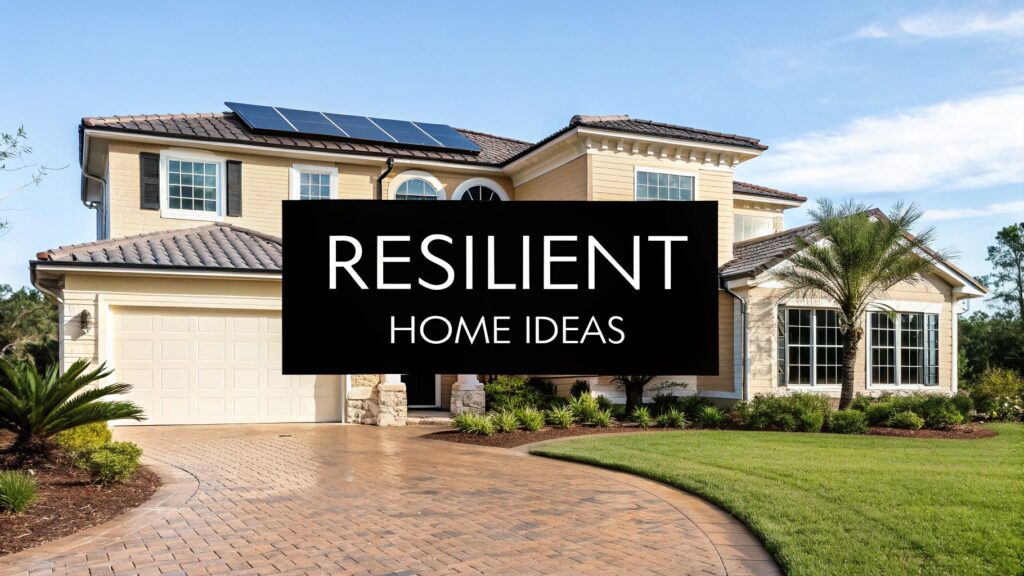
Building a custom home in Southwest Florida is about more than just aesthetics; it’s about creating a sanctuary that stands strong against the elements while embracing the coastal lifestyle. As building codes evolve and storm seasons intensify, homeowners in areas like Fort Myers and Cape Coral are demanding smarter, stronger, and more sustainable designs that prioritize resilience. This guide explores the essential design ideas for new homes that merge luxury with durability, focusing on the latest trends in hurricane preparedness, energy efficiency, and modern Florida living.
We will delve into ten key concepts that leading custom home builders are implementing today. From integrating whole-home generators and impact-resistant features to optimizing for higher elevation standards, each idea is tailored to the unique challenges and opportunities of building in this region. You will discover practical strategies for creating a home that is not only visually stunning but also a fortress of safety and comfort. This roundup provides actionable insights to ensure your new construction is a lasting investment, built to withstand storms while reflecting contemporary style and innovation. These concepts will help you plan a home that is both a beautiful retreat and a resilient stronghold for years to come.
1. Integrated Hurricane Hardening and Impact Features
In Southwest Florida, resilience is a fundamental component of luxury home design, not an afterthought. Integrated hurricane hardening is an architectural approach that seamlessly embeds storm-resistant features into your home's structure from the initial blueprint. This goes far beyond temporary shutters, creating a permanent, passive defense system that elevates both safety and aesthetics.
This modern building philosophy involves specifying materials and construction techniques that work together to withstand extreme weather. The goal is to fortify the entire building envelope, ensuring your home remains a sanctuary during a hurricane without looking like a fortress. This is one of the most critical design ideas for new homes in coastal areas like Fort Myers and Cape Coral.
Core Components of an Integrated System
A truly hardened home relies on several key elements working in concert:
- Impact-Rated Windows and Doors: These are the first line of defense. Products from manufacturers like PGT and CGI feature laminated glass and reinforced frames designed to resist wind-borne debris. This eliminates the need for cumbersome shutters, preserving your home's clean lines and views year-round.
- Reinforced Roofing: This includes using high-wind-rated shingles or metal roofing, along with advanced underlayments and secure roof-to-wall connections (hurricane straps) to prevent uplift.
- Structural Integrity: From the foundation to the rafters, every connection is engineered to distribute wind loads effectively. This often involves reinforced concrete block (CBS) construction, proper elevation to mitigate storm surge, and tie-beam systems that create a monolithic, resilient structure.
Pro Tip: When selecting products, always verify they have a current Florida Product Approval number and that the Design Pressure (DP) rating is appropriate for your specific location and elevation.
For homeowners in high-risk zones, integrating these features is non-negotiable. It provides peace of mind, can lower insurance premiums, and protects your most valuable asset. To see how these principles are applied in over-engineered, resilient construction, you can explore the work of specialized builders. Learn more about Sinclair Custom Home's approach to resilient building.
2. Sustainable and Eco-Friendly Design
In Florida, sustainable design is about creating homes that are not only environmentally responsible but also more durable, efficient, and cost-effective to operate. This architectural philosophy prioritizes the use of renewable resources, energy efficiency, and water conservation from the ground up. It involves a holistic approach to building that minimizes environmental impact while maximizing homeowner comfort and long-term value.
This modern building approach incorporates smart technologies and innovative materials to create a high-performance home. The goal is to reduce the home's carbon footprint and utility bills simultaneously, making it one of the most forward-thinking design ideas for new homes in Southwest Florida. This is especially true as energy costs continue to rise.
Core Components of Sustainable Building
A truly eco-friendly home integrates several key systems for maximum efficiency:
- High-Efficiency HVAC and Insulation: Utilizing systems with high SEER ratings combined with advanced insulation like spray foam creates a tightly sealed thermal envelope. This reduces energy consumption for cooling, a major expense in the Florida climate.
- Renewable Energy Sources & Backup Power: Integrating solar panels allows a home to generate its own clean energy. Paired with a whole-home generator, this system provides true power resilience, keeping your home operational during the frequent grid outages caused by Florida's intense storms.
- Sustainable Materials: This includes using locally sourced or recycled materials, FSC-certified wood, and low-VOC (volatile organic compound) paints and finishes to improve indoor air quality and reduce the home's environmental impact.
Pro Tip: Start by specifying Energy Star certified appliances and windows. Also, research local and federal tax credits available for installing solar panels or other energy-efficient upgrades to maximize your investment.
For homeowners looking to build a resilient and cost-efficient home, integrating sustainable features is a smart long-term strategy. It enhances property value, lowers living expenses, and contributes to a healthier environment. To learn how sustainability extends to the construction process itself, you can explore strategies for managing job site materials. Learn more about reducing construction waste on your project.
3. Smart Home Technology Integration
In a new Florida home, smart technology is no longer a luxury add-on; it’s a foundational element of modern living. Smart home integration involves embedding interconnected devices into your home’s infrastructure from the start, allowing seamless control over everything from climate and lighting to security and energy management. This approach creates a responsive, efficient, and convenient living environment tailored to your lifestyle.
This forward-thinking design philosophy treats your home as a cohesive ecosystem rather than a collection of separate gadgets. The goal is to build a network of systems that communicate with each other, automating daily routines and enhancing comfort. For those considering fresh design ideas for new homes, planning for this connectivity during the blueprint phase ensures a more reliable and streamlined experience than retrofitting later.
Core Components of an Integrated System
A truly intelligent home is built on a few key pillars that work in harmony:
- Robust Network Infrastructure: The backbone of any smart home is a powerful, property-wide WiFi network. Planning for strategically placed access points and wired connections during construction prevents dead zones and ensures all devices operate flawlessly.
- Centralized Control Hubs: Systems like Apple HomeKit, Google Nest, or Amazon Alexa act as the brain of the home, allowing you to control lighting, thermostats (like Ecobee), and security cameras (like Ring) from a single app or with voice commands.
- Storm Preparedness Automation: Custom builders in Southwest Florida are integrating systems that allow you to secure your home remotely. This includes automated hurricane shutters, monitoring of backup generator status, and receiving alerts about potential system failures.
Pro Tip: Prioritize selecting a single ecosystem (like Google Home or Apple HomeKit) to ensure maximum compatibility and interoperability between your devices. A fragmented system can lead to a frustrating user experience.

Integrating smart technology is essential for homeowners seeking convenience, security, and energy savings. It allows you to monitor your property remotely, prepare for storms by closing automated shutters, and manage energy consumption efficiently, all from your smartphone.
4. Minimalist Design
Minimalist design is an architectural and interior philosophy centered on simplicity, functionality, and the intentional use of space. By stripping away non-essential elements, this approach creates environments that are calm, organized, and deeply restful. It emphasizes clean lines, uncluttered surfaces, and a "less is more" mentality that values quality craftsmanship over sheer quantity.
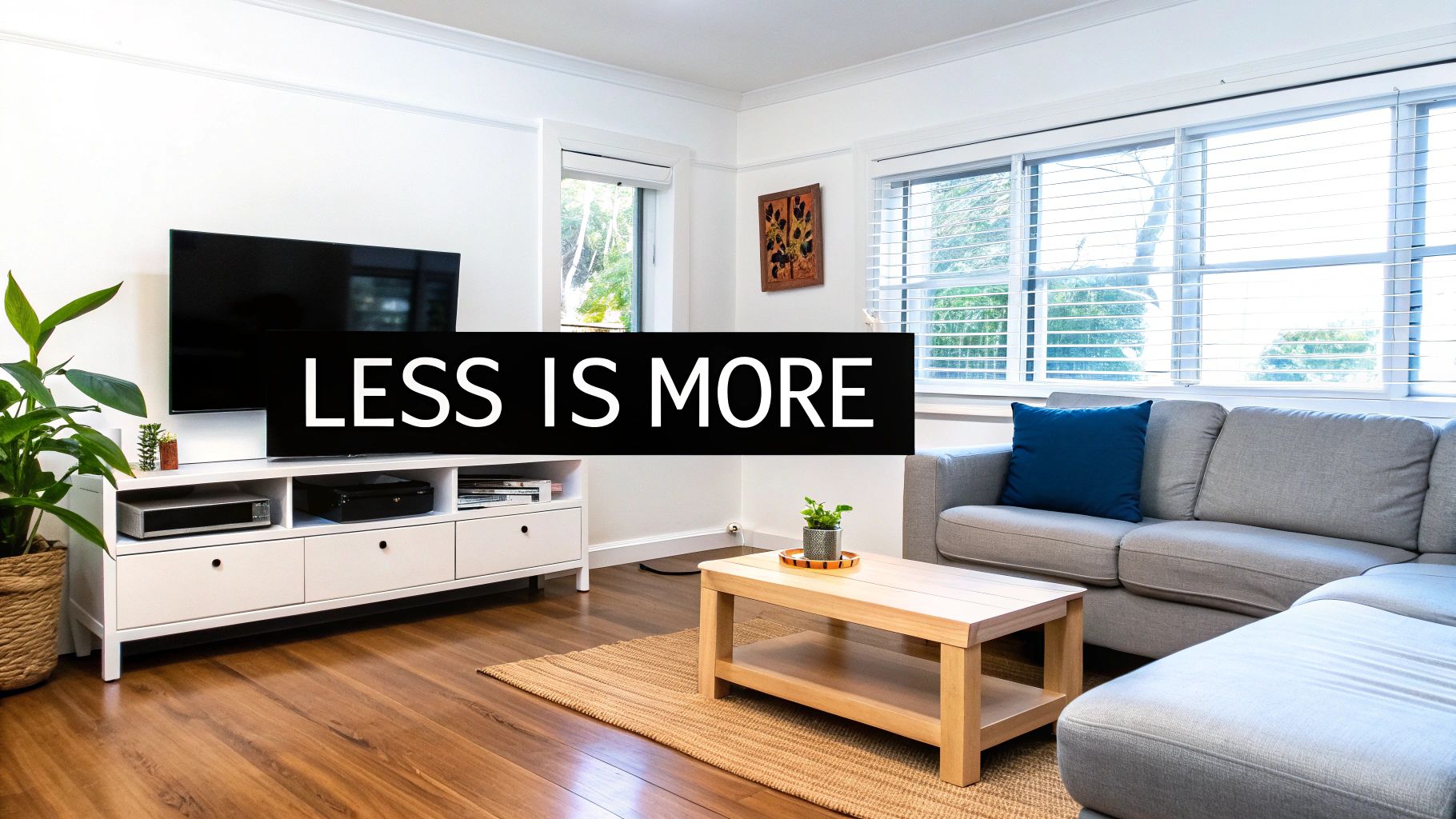

This design ethos is not about stark, empty rooms but about making every piece count. In the context of Florida living, minimalism allows the stunning natural light and outdoor views to become the primary focus. This is one of the most serene and sophisticated design ideas for new homes, promoting a tranquil lifestyle that perfectly complements the coastal setting.
Core Components of Minimalist Interiors
A truly minimalist home is built on a foundation of deliberate choices that enhance both beauty and function:
- Neutral Color Palette: Walls, floors, and large furniture pieces are typically rendered in shades of white, beige, gray, or soft earth tones. This creates a cohesive and visually quiet backdrop.
- Strategic Storage: Clutter is the enemy of minimalism. Built-in cabinetry, hidden storage solutions, and multi-functional furniture are essential for maintaining clean, open spaces.
- Emphasis on Natural Light: Large, unadorned impact-rated windows and open floor plans are used to maximize the flow of natural light, making spaces feel larger and more connected to the outdoors. For those envisioning a seamless flow between interior and exterior, a clean-lined patio with expert outdoor kitchen installation can extend the minimalist aesthetic outside.
Pro Tip: Embrace "negative space" as a design element. Intentionally leaving areas of a wall or floor empty allows the architectural features and select furnishings to have a greater visual impact.
For homeowners in Southwest Florida, a minimalist approach reduces visual noise and creates a peaceful sanctuary. It's a design that is timeless, easy to maintain, and focuses on the essential elements of a well-lived life.
5. Biophilic Design
Biophilic design is a philosophy centered on strengthening the human connection to nature within the built environment. It involves integrating natural elements, materials, and patterns directly into your home's architecture and interior spaces. This goes beyond simply adding houseplants; it's a holistic strategy for creating living areas that are restorative, calming, and inherently connected to the Southwest Florida landscape.
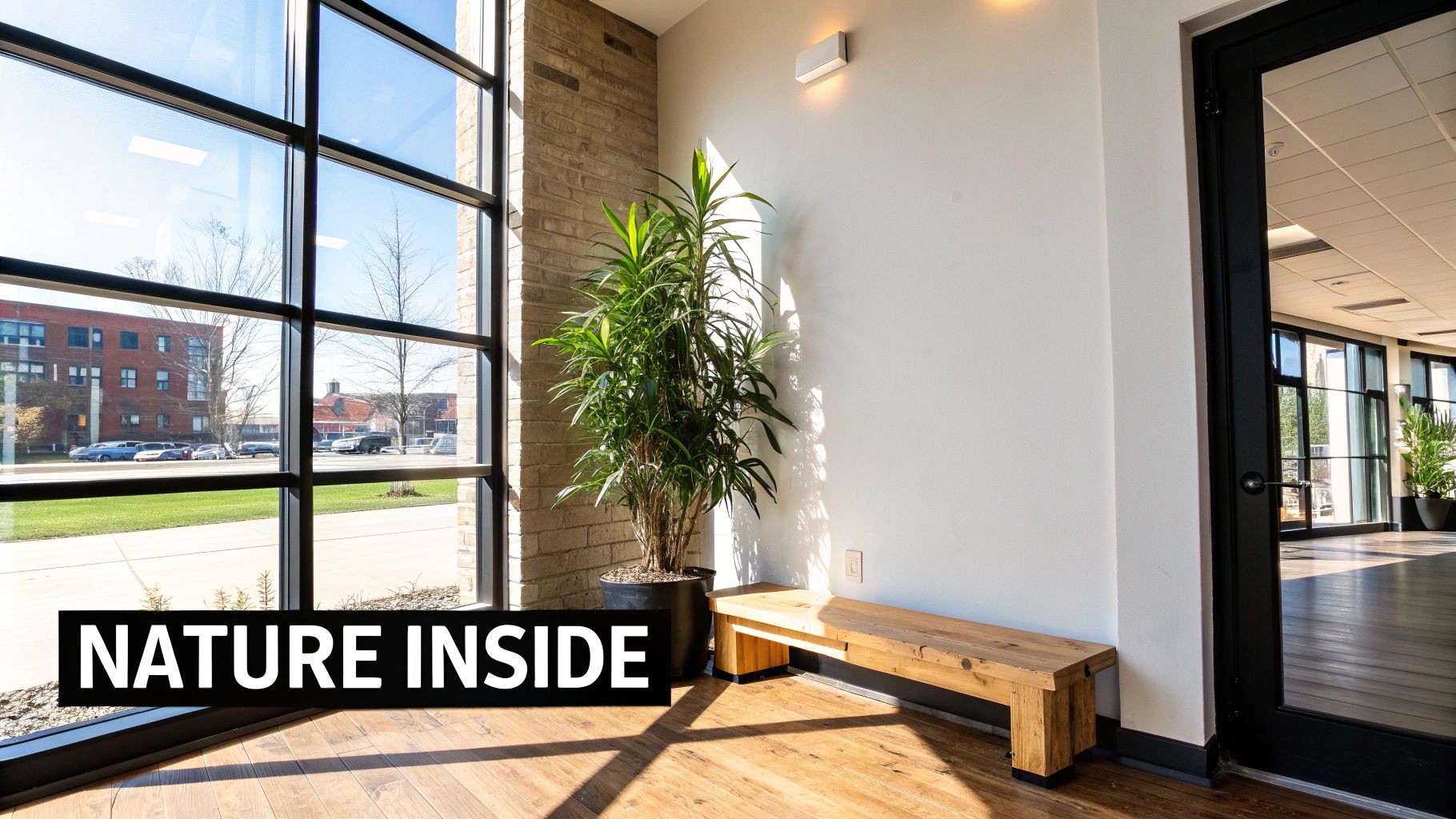
This approach uses natural light, organic textures, and views of the outdoors to improve well-being, reduce stress, and enhance creativity. For those building in areas like Fort Myers or Cape Coral, biophilic principles offer a powerful way to craft a home that feels like a tranquil retreat. It is one of the most impactful design ideas for new homes for promoting a healthier lifestyle.
Core Components of Biophilic Design
A home rich in biophilic elements thoughtfully combines several key features:
- Natural Light and Views: Maximizing sunlight is crucial. This involves strategic placement of large impact-rated windows, glass doors, and skylights to not only illuminate the space but also to frame views of gardens, water, or preserves.
- Organic Materials: Incorporating materials like natural-grain wood for flooring, stone for accent walls or countertops, and textiles made from linen or cotton creates a tactile connection to nature.
- Living Greenery: Integrating plant life is fundamental. A key trend among new builders is creating seamless transitions between indoor and outdoor spaces, with lanais and courtyards designed as true extensions of the living area.
Pro Tip: Design your outdoor living spaces as a seamless extension of your indoor rooms. A well-designed lanai can serve as a prime example of biophilic design, blurring the lines between inside and out.
Embracing this approach is ideal for homeowners who want their custom home to be a sanctuary that supports mental and physical health. It provides a daily connection to the natural world, which is essential for a balanced life. To see how indoor-outdoor living can be perfected, you can discover more about Florida's quintessential outdoor rooms. Learn more about the role of the lanai in biophilic design.
6. Multi-Generational Home Design
The modern family structure is evolving, and Southwest Florida's home designs are adapting to meet this shift. Multi-generational design accommodates multiple age groups under one roof by creating distinct yet connected living spaces. This architectural strategy goes beyond a simple guest room, envisioning a home with built-in flexibility for grandparents, adult children, or other relatives, ensuring both privacy and togetherness.
This forward-thinking approach involves planning for autonomy and accessibility from the ground up. It’s about creating a harmonious environment where different generations can live comfortably, share costs, and support one another. As demographic trends shift, this is quickly becoming one of the most practical and sought-after design ideas for new homes, providing a sustainable solution for family living.
Core Components of a Multi-Generational Plan
A successful multi-generational home is carefully zoned to balance private and communal life:
- In-Law Suites & ADUs: The most common approach is a dedicated in-law suite or a detached Accessory Dwelling Unit (ADU). These often include a private entrance, kitchenette, full bathroom, and living area, providing true independence.
- Universal Design Features: Accessibility is key. Integrating zero-entry showers, wider doorways, lever-style door handles, and reinforced walls for future grab bars ensures the home is safe and comfortable for all ages and mobility levels.
- Acoustic & Visual Privacy: Thoughtful design includes soundproofing between private quarters and creating separate outdoor spaces, like a private patio or lanai entrance, to give each family unit their own retreat.
Pro Tip: Before committing to a plan, thoroughly research local zoning ordinances in Fort Myers or Cape Coral regarding ADUs and secondary living units. Regulations can vary significantly and may impact your design possibilities.
For families planning for the future, this design philosophy offers a powerful blend of financial practicality and emotional connection. It allows for shared homeownership costs while keeping loved ones close. A builder experienced in flexible floor plans can help design a space that meets your family's unique needs now and for years to come.
7. Industrial and Rustic Style
The industrial and rustic aesthetic blends raw, utilitarian elements with natural, weathered finishes to create a space that feels both authentic and purposefully designed. This style celebrates the inherent beauty of construction materials, turning exposed brick, concrete floors, reclaimed wood beams, and visible ductwork into prominent design features rather than elements to be concealed.
Originating from the conversion of old warehouses and farmhouses into living spaces, this trend has become a sophisticated choice for new custom homes. It offers a compelling contrast to more polished, traditional styles, providing character and a sense of history. For homeowners in Southwest Florida, this is one of the more unique design ideas for new homes, allowing for a creative fusion of modern construction with timeless, rugged textures.
Core Components of an Industrial Rustic Look
Achieving this style requires a deliberate balance between hard and soft, old and new:
- Exposed Structural Elements: Instead of covering them with drywall, showcase concrete block (CBS) walls with a simple seal, expose steel I-beams, or leave ductwork and electrical conduits visible.
- Reclaimed and Natural Materials: Incorporate reclaimed wood for accent walls, ceiling beams, or custom shelving. Polished concrete or wide-plank wood floors provide an ideal foundation for the style.
- Metal and Hardware: Use matte black, oil-rubbed bronze, or raw steel for plumbing fixtures, lighting, and window frames. Barn-style sliding doors on exposed tracks are a hallmark feature.
Pro Tip: Balance the hard, raw materials with softer textures. Incorporate plush area rugs, leather furniture, and plenty of indoor plants to add warmth and prevent the space from feeling cold or sterile.
This design approach is perfect for creating open-concept spaces like great rooms or lofts where structural honesty can become the main artistic statement. It provides a durable, low-maintenance, and highly personalized environment that stands out.
8. Modern Farmhouse Design
The Modern Farmhouse aesthetic has become a defining style in new home construction, blending rustic comfort with clean, contemporary lines. This design approach creates a warm, inviting atmosphere that feels both timeless and current. It moves beyond the purely traditional by incorporating sleek finishes, open-concept layouts, and a sophisticated, neutral color palette, making it a perfect fit for the relaxed yet elegant lifestyle of Southwest Florida.
At its core, this style is about creating a sense of history and comfort without sacrificing modern functionality. It’s one of the most popular design ideas for new homes because it feels both personal and high-end, allowing for customization with reclaimed woods, shiplap accents, and industrial-inspired fixtures. In a custom home, this translates to spaces that are perfect for both family gatherings and quiet relaxation.
Core Components of Modern Farmhouse Style
To successfully execute this design, focus on a balanced mix of old and new elements:
- Neutral Color Palette: Start with a base of whites, creams, and grays. These bright, airy colors reflect Florida's natural light and provide a clean backdrop for rustic textures and decor.
- Natural Textures: Incorporate materials like reclaimed wood for ceiling beams or a fireplace mantel, natural stone, and woven textiles. These elements add warmth and character to the clean, modern lines of the home's architecture.
- Contemporary Finishes: Balance rustic elements with modern touches like matte black hardware, quartz countertops, and sleek, industrial-style lighting. This contrast is key to keeping the style fresh and sophisticated, not dated.
Pro Tip: In a new build, integrate classic farmhouse features like a large apron-front sink in the kitchen or barn-style doors for a pantry or home office. These iconic elements serve as functional focal points that define the space.
For homeowners in Cape Coral and Fort Myers, the Modern Farmhouse style offers a refreshing alternative to typical coastal decor. It provides a cozy, family-oriented feel while maintaining the bright, open ambiance desired in a new Florida home. You can explore how these principles are integrated into custom floor plans by visiting design galleries from local builders.
9. Universal Design and Accessibility
Universal design is a forward-thinking approach that creates homes usable by everyone, regardless of age, mobility, or physical condition, without needing future modifications. This philosophy involves integrating accessible features seamlessly into the home's aesthetic from day one. It's about creating a space that is not only beautiful but also functional for a lifetime, anticipating the evolving needs of your family and guests.
This design strategy goes beyond basic ADA compliance, focusing on creating an environment that is inherently convenient for all. For Florida’s diverse and often multigenerational households, it ensures comfort for young children, visiting grandparents, and anyone who might face temporary or permanent mobility challenges. Embracing these principles is one of the smartest design ideas for new homes, adding long-term value and livability.
Core Components of Universal Design
A home built with universal design principles incorporates several key features:
- Zero-Threshold Entries: A step-free entrance from the garage, lanai, or front door eliminates a common barrier, making access easy for strollers, wheelchairs, or anyone carrying groceries.
- Wider Hallways and Doorways: Providing a minimum of 36-inch-wide hallways and 32-inch-wide door clearances creates an open feel and ensures comfortable navigation throughout the home.
- Accessible Bathrooms: This includes features like curbless, walk-in showers with integrated seating, reinforced walls for future grab bar installation, and comfort-height toilets.
- Thoughtful Kitchen Layouts: Incorporating varied counter heights, pull-out shelving, and easy-access appliances makes the kitchen more ergonomic and user-friendly for everyone.
Pro Tip: During the framing stage, install wood blocking inside the walls of bathrooms and hallways where grab bars might be needed later. This makes future installation simple, secure, and inexpensive without requiring major renovations.
For homeowners planning to age in place or accommodate extended family, integrating universal design is essential. It provides a safe, comfortable, and independent living environment, ensuring your custom home serves your family’s needs for decades to come. To explore how these concepts are integrated into luxury Florida homes, consider consulting with a builder who specializes in thoughtful, accessible layouts.
10. Luxury Modern Design
Luxury modern design elevates homebuilding by merging minimalist aesthetics with the highest quality materials, sophisticated finishes, and state-of-the-art technology. This approach focuses on creating spaces that are not just visually stunning but also exceptionally functional and comfortable. It moves beyond fleeting trends, emphasizing timeless elegance, superior craftsmanship, and a seamless integration of form and function.
This design philosophy is about curating an experience, where every detail is intentional and executed to the highest standard. From soaring ceilings and expansive glass walls to bespoke cabinetry and premium appliances, the goal is to build a refined yet livable environment. For those building a custom residence in Southwest Florida, it represents one of the most aspirational design ideas for new homes.
Core Components of a Luxury Modern System
Achieving a true luxury modern feel depends on the harmonious combination of several key elements:
- Premium Materials: This involves using authentic, high-end materials like natural stone countertops, wide-plank hardwood flooring, and commercial-grade window systems that offer both beauty and durability.
- Integrated Technology: Smart home systems from brands like Crestron or Savant are seamlessly integrated to control lighting, climate, security, and entertainment, providing effortless convenience.
- Artisanal Details: Custom features are paramount. A new builder trend is the inclusion of spa-like primary bathrooms with features like custom glass shower enclosures, freestanding tubs, and high-end fixtures that define the space.
Pro Tip: Balance high-impact design statements with functionality. A luxury home must be comfortable and practical for daily living, not just a showpiece. Choose finishes and layouts that support your family's lifestyle.
For homeowners aiming to create a legacy property, this approach is ideal. It prioritizes lasting quality and sophisticated design that will endure for generations. To understand how custom craftsmanship contributes to this aesthetic, you can explore the role of bespoke woodwork. Learn more about the impact of architectural millwork.
10-Point Comparison of New Home Design Ideas
| Design Style | Implementation complexity | Resource requirements | Expected outcomes | Ideal use cases | Key advantages |
|---|---|---|---|---|---|
| Open Floor Plans | Low–Medium (may need structural review) | Moderate — basic construction, HVAC adjustments, possible engineer | Spacious, light-filled layout with improved flow and sightlines | Entertaining homes, families, modern apartments | Feels larger; flexible layout; better social interaction; lower interior wall cost |
| Sustainable and Eco-Friendly Design | High (integrated systems and certifications) | High — solar, insulation, certified materials, specialized contractors | Lower energy use and carbon footprint; improved indoor air quality | Eco-conscious owners, long-term investors, climate-specific projects | Energy savings; incentives; higher resale value; healthier indoor environment |
| Smart Home Technology Integration | Medium–High (system integration) | Moderate–High — devices, robust Wi‑Fi, installers, ongoing updates | Automated control, remote management, improved security and efficiency | Tech-savvy households, large properties, remote monitoring needs | Convenience; remote access; energy optimization; enhanced security |
| Minimalist Design | Low–Medium (styling and storage planning) | Low — quality furnishings, built-in storage, decluttering effort | Calm, uncluttered spaces that are easy to maintain and adapt | Small homes, busy professionals, those favoring simplicity | Low maintenance; timeless aesthetic; reduced costs; visual clarity |
| Biophilic Design | Medium (lighting, materials, plant systems) | Moderate — plants, natural materials, glazing, maintenance | Stronger connection to nature, improved well‑being and air quality | Wellness-focused occupants, homes with natural access, offices | Mental health benefits; aesthetic warmth; improved air quality |
| Multi-Generational Home Design | High (ADUs, accessibility, zoning) | High — additional living units, plumbing/electrical, legal permits | Independent yet connected living spaces; shared costs and care support | Extended families, caregivers, owners seeking rental income | Cost-sharing; aging-in-place; privacy options; rental potential |
| Industrial and Rustic Style | Medium (material finishes and sourcing) | Moderate — reclaimed wood, metalwork, specialty finishes, upkeep | Characterful, textured interiors with vintage or rugged appeal | Loft conversions, renovated older homes, urban industrial projects | Unique character; use of salvaged materials; pairs well with open plans |
| Modern Farmhouse Design | Medium (mix of modern and vintage elements) | Moderate — wood details, shiplap, curated decor, furnishings | Warm, approachable spaces blending tradition with contemporary function | Family homes, suburban properties, entertaining households | Welcoming aesthetic; adaptable budgets; readily sourced decor |
| Universal Design and Accessibility | Medium–High (code compliance and planning) | Moderate — wider doors, ramps, fixtures, knowledgeable contractors | Accessible, safer homes usable by people of all ages and abilities | Aging homeowners, mobility needs, inclusive design projects | Broad usability; higher resale value; reduces need for future retrofits |
| Luxury Modern Design | High (customization and coordination) | Very High — premium materials, specialist trades, long-term upkeep | High-performance, refined spaces with strong market prestige | High-net-worth clients, show homes, luxury real estate markets | Exceptional quality; timeless sophistication; significant value uplift |
Building Your Legacy in the Sunshine State
Embarking on the journey to build a custom home in Southwest Florida is about more than just selecting floor plans and paint colors; it's about crafting a resilient, future-proof legacy. As we've explored, the best design ideas for new homes today are an intricate blend of aesthetic appeal and robust functionality, specifically tailored to the unique environment of areas like Fort Myers, Cape Coral, and Fort Myers Beach. The process begins not with a sketch, but with a deep understanding of the land itself, from determining the proper elevation to integrating hurricane-impact features that provide unwavering peace of mind.
Key Takeaways for Your Florida Dream Home
The design concepts we've covered, from biophilic principles that bring the outdoors in to the seamless integration of smart home technology, all point toward a central theme: intentional living. Your home should be a direct reflection of your lifestyle, values, and long-term goals.
- Resilience is Non-Negotiable: Modern building science in Florida demands a focus on strength. This includes everything from hurricane-impact windows and doors to robust roofing systems and whole-home generators that ensure comfort and safety during powerful storms.
- Functionality Drives Design: The most enduring designs are those that serve a purpose. Whether it's the accessible features of Universal Design, the shared-yet-private spaces of a multi-generational layout, or the clean efficiency of minimalist interiors, every element should enhance your daily life.
- Sustainability is a Smart Investment: Eco-friendly building practices are not just good for the planet; they are good for your wallet. Energy-efficient appliances, high-performance insulation, and solar-ready systems reduce long-term operating costs and increase your property's value.
Turning Vision into a Blueprint for Reality
The crucial next step is transforming these concepts from an inspiring list into a tangible reality. This is where the expertise of a seasoned custom home builder becomes invaluable. A builder with deep roots in Southwest Florida understands the local building codes, climate challenges, and the latest trends in coastal construction. They can guide you through the complexities of site preparation, material selection, and architectural planning, ensuring that your home is not only beautiful but also built to withstand the tests of time and nature.
Ultimately, constructing a custom home is one of the most significant investments you will ever make. It is an opportunity to create a sanctuary that is perfectly attuned to your needs, a place where memories will be forged for decades to come. By prioritizing a foundation of safety, integrating intelligent design, and focusing on quality craftsmanship, you are not just building a house; you are building a legacy that will stand strong and proud in the heart of the Sunshine State.
Ready to bring your vision for a custom Florida home to life? The team at Sinclair Custom Homes Inc specializes in turning ambitious design ideas for new homes into architectural realities, combining uncompromising quality with deep local expertise. Visit them online at Sinclair Custom Homes Inc to start your building journey with a team dedicated to integrity and excellence.